
Regional Food Festivals Worth Attending
Regional Food Festivals Worth Attending
Food is more than nourishment, it is a celebration of culture, history, and community.
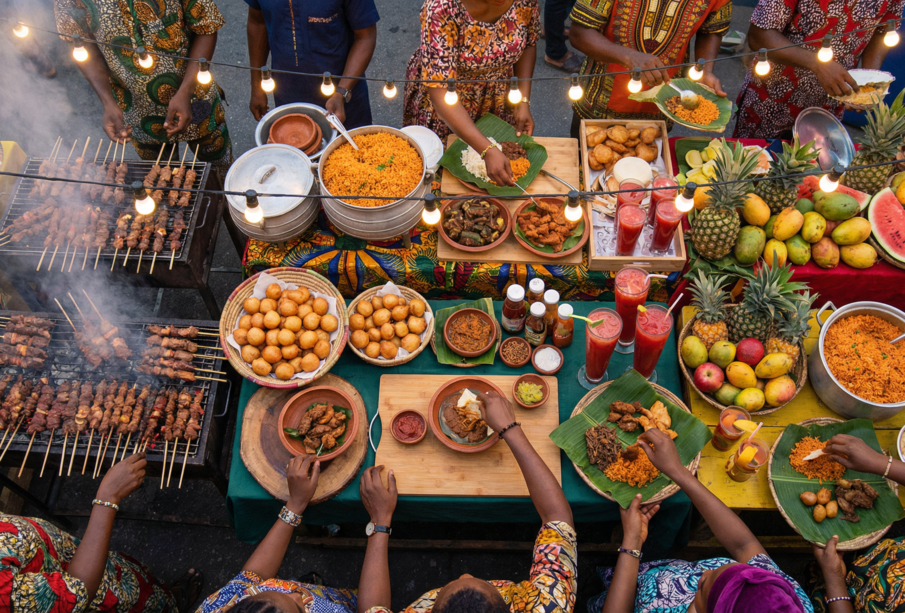
Across the world, regional food festivals bring together locals and travelers to experience authentic cuisines, traditional cooking methods, music, dance, and vibrant cultural traditions. Whether you’re a passionate foodie, an adventurous traveler, or someone looking to learn about different cultures through their cuisine, attending a regional food festival is one of the most rewarding experiences you can have.
From Africa’s colorful harvest celebrations to Asia’s spicy street food gatherings and Europe’s historic culinary fairs, these festivals showcase the flavors that define entire regions. Here are some of the most remarkable regional food festivals worth adding to your travel bucket list.
Why Food Festivals Matter
Regional food festivals do much more than serve delicious meals. They preserve culinary traditions, support local farmers and artisans, strengthen tourism, and provide communities with opportunities to celebrate their cultural identity. Visitors gain firsthand insight into local lifestyles while enjoying recipes that have often been passed down through generations.
Many festivals also feature cooking competitions, food demonstrations, cultural performances, craft markets, and educational workshops, making them immersive experiences for people of all ages.
1. Argungu International Fishing and Cultural Festival (Nigeria)
Northern Nigeria hosts one of Africa’s most iconic cultural events, the Argungu International Fishing and Cultural Festival. While famous for its spectacular fishing competition, the festival is equally celebrated for its traditional foods.
Visitors enjoy local delicacies such as grilled fish, tuwo shinkafa, masa, roasted meats, millet dishes, and flavorful soups prepared using age-old recipes. The event also features music, wrestling, horse racing, and traditional dances that showcase the rich heritage of Kebbi State.
For anyone exploring West Africa, this festival offers an unforgettable blend of food and culture.
2. Panafest Food Celebrations (Ghana)
Although primarily known for celebrating African heritage and the African diaspora, Panafest also provides a fantastic culinary experience.
Food stalls serve Ghanaian favorites including jollof rice, waakye, banku with tilapia, fufu with light soup, kelewele, and bofrot. Local chefs proudly demonstrate traditional cooking techniques while visitors enjoy live cultural performances.
The festival highlights the connection between food, history, and identity, making every meal part of a larger cultural story.
3. Cape Town Street Food Festival (South Africa)
South Africa’s diverse cultural heritage is reflected in its vibrant food scene. Cape Town’s street food festivals celebrate flavors from across the nation, including Cape Malay curries, bunny chow, boerewors, braai dishes, seafood specialties, and modern African fusion cuisine.
Visitors can sample dishes from dozens of vendors while enjoying live entertainment, local music, and artisan markets. The festival perfectly represents South Africa’s multicultural identity.
4. Galway International Oyster Festival (Ireland)
One of Europe’s oldest food festivals, the Galway International Oyster Festival attracts seafood lovers from around the globe.
Fresh Atlantic oysters are the main attraction, but visitors can also enjoy smoked salmon, Irish cheeses, artisan breads, local beers, and premium whiskies. Oyster-opening competitions and seafood cooking demonstrations add excitement to the festivities.
This festival combines Ireland’s maritime traditions with exceptional hospitality.
5. Salon du Chocolat (France)
Chocolate enthusiasts should not miss the Salon du Chocolat. Held in Paris and other cities worldwide, this festival celebrates every aspect of chocolate production.
Master chocolatiers present innovative creations, pastry chefs conduct live demonstrations, and visitors sample chocolates from numerous countries. The event also explores sustainable cocoa farming and ethical sourcing, making it educational as well as delicious.
6. Mooncake Festival Celebrations (China)
The Mid-Autumn Festival is one of China’s most cherished celebrations. While it is a cultural festival rather than exclusively a food event, mooncakes take center stage.
Families gather to enjoy beautifully crafted mooncakes filled with lotus seed paste, red bean, salted egg yolk, nuts, and modern flavors such as green tea and chocolate. Lantern displays, cultural performances, and moon-viewing ceremonies create a magical atmosphere.
7. Taste of Chicago (United States)
Taste of Chicago is among the world’s largest food festivals, bringing together hundreds of restaurants, food trucks, and chefs.
Visitors can sample Chicago-style pizza, hot dogs, barbecue, international cuisines, gourmet desserts, and fusion dishes representing the city’s multicultural population. Live concerts, family activities, and cooking demonstrations ensure there’s something for everyone.
8. National Cherry Festival (United States)
Held in Michigan, this festival celebrates the region’s famous cherry harvest. Visitors enjoy cherry pies, jams, pastries, beverages, ice cream, sauces, and creative cherry-inspired recipes.
The festival also includes parades, agricultural exhibitions, concerts, and family-friendly activities that highlight the importance of local farming.
9. Oktoberfest Food Experience (Germany)
Although globally recognized for beer, Oktoberfest also offers an incredible culinary journey.
Traditional German foods such as pretzels, roasted chicken, pork knuckles, sausages, potato dumplings, and apple strudel fill the festival grounds. Visitors experience Bavarian hospitality alongside folk music, colorful costumes, and centuries-old traditions.
10. Singapore Food Festival
Singapore’s multicultural population has created one of Asia’s most exciting food festivals.
The event features Chinese, Malay, Indian, and Peranakan cuisines alongside innovative modern dishes. Hawker stalls, celebrity chef collaborations, food tours, and interactive workshops showcase why Singapore is considered one of the world’s greatest food destinations.
Tips for Enjoying Food Festivals
To make the most of your experience:
- Arrive early to avoid long queues and enjoy the freshest selections.
- Sample small portions to taste a wider variety of dishes.
- Speak with local vendors to learn the stories behind traditional recipes.
- Stay hydrated, especially during outdoor festivals.
- Bring cash where digital payments may not be accepted.
- Respect local customs and cultural traditions.
- Purchase locally made products to support small businesses and artisans.
The Growing Importance of Culinary Tourism
Food tourism has become one of the fastest-growing segments of global travel. Increasingly, travelers choose destinations based on unique dining experiences and authentic local cuisine. Regional food festivals play an important role in promoting sustainable tourism by supporting farmers, chefs, food producers, and local economies.
For many communities, these festivals create employment opportunities while preserving culinary traditions that might otherwise disappear. They also encourage younger generations to appreciate traditional recipes and cooking methods.
Conclusion
Regional food festivals offer far more than memorable meals, they provide an authentic window into the heart of a community. Whether you’re tasting freshly grilled fish in Nigeria, savoring oysters in Ireland, sampling mooncakes in China, or exploring vibrant street food in South Africa, every festival tells a story through its cuisine.
If you enjoy travel, culture, and discovering new flavors, adding regional food festivals to your itinerary is one of the best ways to experience the world. Each event celebrates not only exceptional food but also the people, traditions, and history that make every region unique. Every bite becomes a memorable journey, proving that some of the world’s greatest cultural experiences are found around the dining table.




Leave a reply







Africa’s Source for Breaking News | Entertainments | Health | Finance | Sports | Lifestyle and Business News.


