
The Impact of Infrastructure Projects on Growth
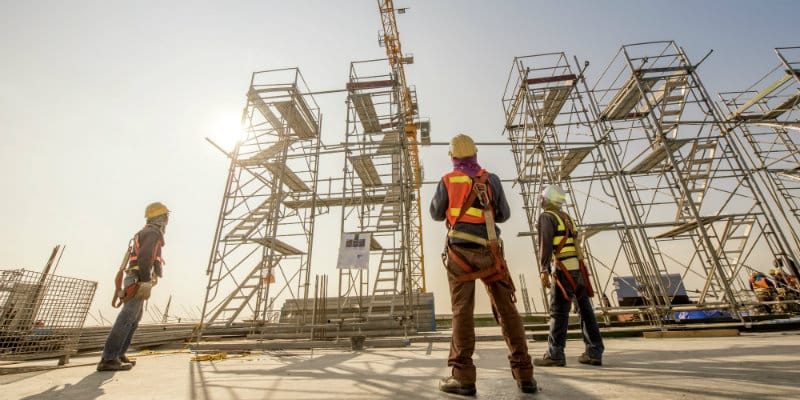
The Impact of Infrastructure Projects on Growth
Infrastructure is often described as the backbone of economic development, and for good reason.
Roads, railways, airports, seaports, electricity networks, water systems, and digital infrastructure enable people, goods, and information to move efficiently. Across Africa, governments and private investors are increasingly recognizing that sustainable economic growth depends on strong infrastructure. As the continent’s population continues to grow and urbanization accelerates, investing in modern infrastructure has become essential for improving productivity, attracting investment, and enhancing the quality of life.
This article explores how infrastructure projects contribute to Africa’s economic growth, the opportunities they create, the challenges they face, and why strategic investment remains critical for the continent’s future.
Understanding Infrastructure Development
Infrastructure refers to the physical and organizational systems that support a country’s economy and daily activities. These include:
- Transportation networks such as roads, bridges, railways, airports, and ports.
- Energy infrastructure, including power plants and electricity transmission lines.
- Water supply and sanitation systems.
- Telecommunications and internet connectivity.
- Public facilities such as hospitals, schools, and government buildings.
When these systems function efficiently, businesses operate more smoothly, trade expands, and citizens enjoy improved access to essential services.
Driving Economic Growth
One of the most significant impacts of infrastructure projects is their ability to stimulate economic growth. Reliable transport systems reduce travel times and lower the cost of moving goods between producers and consumers. Farmers can transport fresh produce to urban markets before it spoils, manufacturers can distribute products more efficiently, and businesses can reach new customers.
Improved infrastructure also increases productivity. Workers spend less time commuting, companies experience fewer disruptions from power outages, and digital businesses benefit from faster internet connections. These improvements collectively increase national output and contribute to higher Gross Domestic Product (GDP).
Creating Employment Opportunities
Infrastructure projects generate jobs at multiple stages. During construction, engineers, architects, machine operators, electricians, technicians, and laborers are employed. These projects also create demand for locally produced materials such as cement, steel, gravel, and construction equipment.
The benefits continue after construction is completed. Better infrastructure attracts new businesses that create long-term employment in sectors including manufacturing, logistics, tourism, retail, and technology. As businesses expand, they require additional workers, contributing to higher household incomes and stronger local economies.
Encouraging Domestic and Foreign Investment
Investors often consider infrastructure quality before establishing operations in a country. Poor roads, unreliable electricity, and weak communication networks increase operational costs and business risks.
Countries with modern infrastructure are generally more attractive to both local entrepreneurs and international investors. Industrial parks connected to reliable electricity, efficient highways, and modern ports encourage companies to establish factories and distribution centers. These investments bring capital, technology, innovation, and skilled employment opportunities.
Supporting Regional Trade
The African Continental Free Trade Area (AfCFTA) presents enormous opportunities for increasing trade among African nations. However, the success of regional trade depends heavily on infrastructure.
Cross-border highways, railway corridors, modern ports, and efficient customs facilities reduce transportation costs and shorten delivery times. Improved connectivity enables businesses to access larger markets while allowing consumers to benefit from more competitive prices and a wider variety of products.
Regional infrastructure projects also strengthen economic integration by connecting landlocked countries with seaports and facilitating smoother movement across borders.
Improving Living Standards
Infrastructure investments extend beyond economic indicators, they directly improve people’s lives. Reliable electricity allows students to study after dark, hospitals to operate life-saving equipment, and businesses to extend working hours. Clean water and improved sanitation reduce waterborne diseases and improve public health. Better roads increase access to healthcare, education, and emergency services, particularly in rural communities.
Digital infrastructure has become equally important. Expanded broadband access enables online education, digital banking, e-commerce, remote work, and government services, helping bridge the digital divide across the continent.
Promoting Industrialization
Africa’s ambition to expand manufacturing depends heavily on adequate infrastructure. Factories require dependable electricity, transportation networks, water supply, and logistics systems to operate efficiently.
Industrial zones supported by modern infrastructure encourage value-added production rather than exporting raw materials alone. Processing agricultural products, refining minerals, and manufacturing consumer goods create higher-value industries that generate greater income and employment opportunities.
Challenges Facing Infrastructure Development
Despite significant progress, Africa continues to face several infrastructure challenges. Limited financing remains a major obstacle, as many projects require billions of dollars in investment. Budget constraints often delay completion or reduce project quality.
Maintenance is another concern. Infrastructure that is poorly maintained deteriorates quickly, reducing its long-term economic benefits.
Governance issues, including corruption, procurement inefficiencies, and project mismanagement, can increase costs and delay delivery.
Environmental and social concerns must also be addressed. Large infrastructure projects may affect ecosystems or require community relocation if not carefully planned. Sustainable development requires balancing economic growth with environmental protection and community engagement.
The Role of Public-Private Partnerships
Public-private partnerships (PPPs) are becoming increasingly important in financing and managing infrastructure across Africa. Under these arrangements, governments collaborate with private companies to share investment costs, expertise, and operational responsibilities.
Successful PPPs can accelerate project delivery, improve efficiency, and reduce financial pressure on governments while maintaining public oversight. Many African countries are expanding the use of PPPs in sectors such as transportation, renewable energy, telecommunications, and water services.
Looking Ahead
Africa’s future economic growth will depend significantly on continued investment in resilient, inclusive, and sustainable infrastructure. Renewable energy projects, smart transportation systems, digital connectivity, climate-resilient roads, and modern logistics networks will play a vital role in supporting the continent’s expanding population and growing economies.
Governments, development institutions, and private investors must work together to ensure infrastructure projects are properly planned, transparently managed, and effectively maintained. Investing in human capital alongside physical infrastructure will also maximize long-term benefits.
Conclusion
Infrastructure is far more than roads and buildings, it is the foundation upon which economic prosperity is built. Across Africa, strategic investments in transportation, energy, digital connectivity, water systems, and public services are transforming economies by creating jobs, attracting investment, improving trade, and enhancing living standards.
Although challenges such as financing, maintenance, and governance remain, the long-term benefits of quality infrastructure are undeniable. By prioritizing sustainable and inclusive infrastructure development, African nations can unlock greater economic potential, strengthen regional integration, and create lasting opportunities for future generations.




Leave a reply





Africa’s Source for Breaking News | Entertainments | Health | Finance | Sports | Lifestyle and Business News.


