
Scientific Discoveries That Changed the World
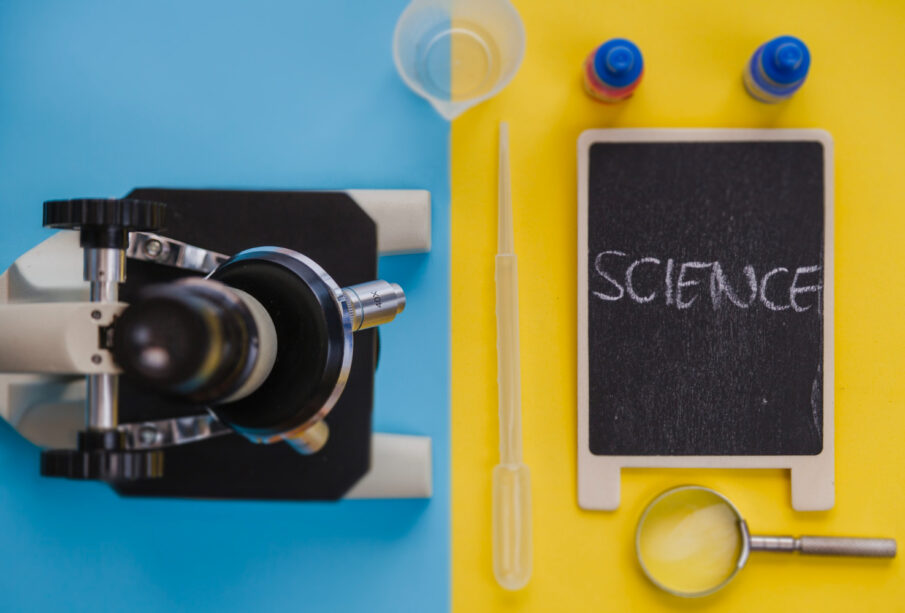
Scientific discoveries have shaped the course of human history in profound ways.
From unlocking the mysteries of the universe to improving everyday life, science has continually transformed how we live, think, and interact with the world. While countless breakthroughs deserve recognition, a few stand out for their lasting and global impact.
The Discovery of Gravity
One of the most foundational discoveries in science is gravity. When Isaac Newton formulated the laws of motion and universal gravitation, he provided a framework that explained how objects move both on Earth and in space. This discovery not only revolutionized physics but also laid the groundwork for modern engineering, astronomy, and space exploration. Without an understanding of gravity, technologies like satellites and space travel would not exist.
Germ Theory of Disease
Before the development of germ theory, diseases were often blamed on supernatural forces or bad air. The work of scientists like Louis Pasteur and Robert Koch changed that understanding completely. They demonstrated that microorganisms cause many diseases, leading to improved sanitation, vaccines, and antibiotics. As a result, life expectancy increased dramatically, and countless lives have been saved.
The Theory of Evolution
Charles Darwin’s theory of evolution by natural selection transformed biology. It explained how species adapt and change over time, providing a unifying principle for understanding life on Earth. This discovery influenced not only science but also philosophy, education, and even social thought. Today, evolution remains a cornerstone of modern biology.
Electricity and Electromagnetism
The discovery and understanding of electricity and electromagnetism opened the door to the modern technological age. Scientists like Michael Faraday and James Clerk Maxwell made groundbreaking contributions that led to the development of electric power, communication systems, and countless devices. From lighting homes to powering industries, electricity is now essential to daily life.
The Structure of DNA
The discovery of the double-helix structure of DNA by James Watson and Francis Crick marked a turning point in genetics. This breakthrough revealed how genetic information is stored and transmitted in living organisms. It paved the way for advancements in medicine, biotechnology, and forensic science. Today, DNA research continues to drive innovations such as gene editing and personalized medicine.
The Theory of Relativity
Albert Einstein’s theory of relativity changed our understanding of space, time, and energy. His famous equation, E=mc², showed the relationship between mass and energy, leading to developments in nuclear power and modern physics. Relativity also plays a crucial role in technologies like GPS systems, which rely on precise time measurements.
The Discovery of Penicillin
The accidental discovery of penicillin by Alexander Fleming revolutionized medicine. As the first true antibiotic, penicillin made it possible to treat bacterial infections that were once fatal. This discovery ushered in the age of antibiotics, significantly reducing mortality rates and transforming healthcare worldwide.
The Internet
While not a single discovery, the development of the internet is one of the most impactful scientific and technological achievements in history. It has changed how people communicate, access information, and conduct business. The internet has connected the world in ways that were once unimaginable, influencing education, commerce, and social interactions.
Conclusion
Scientific discoveries are the building blocks of progress. Each breakthrough builds on previous knowledge, pushing humanity forward. From understanding the forces of nature to decoding the secrets of life, these discoveries have not only changed the world—they continue to shape its future. As science advances, new discoveries will undoubtedly emerge, bringing even greater transformation to our lives.


Leave a reply




Africa’s Source for Breaking News | Entertainments | Health | Finance | Sports | Lifestyle and Business News.


