
The Rise of Women’s Sports in Africa
The Rise of Women's Sports in Africa
Women’s sports in Africa are experiencing an unprecedented rise.
Across the continent, female athletes are breaking records, winning international championships, attracting sponsorships, and inspiring millions of young girls to pursue their sporting dreams. While challenges such as limited funding, unequal media coverage, and cultural barriers still exist, the progress made over the past two decades has been remarkable.
From football and athletics to basketball, rugby, and combat sports, African women are proving that talent knows no gender. Their achievements are reshaping perceptions, creating new opportunities, and contributing to the growth of sports industries across the continent.
Historical Challenges Facing Women in African Sports
For many years, women in Africa faced significant obstacles in accessing sports opportunities. In numerous communities, traditional beliefs often discouraged girls from participating in competitive athletics. Sports facilities were frequently designed with male athletes in mind, and funding for women’s teams was minimal.
Media coverage also played a role in limiting visibility. Men’s competitions received the majority of attention, making it difficult for female athletes to attract sponsors or gain public recognition. As a result, many talented women struggled to pursue sports professionally despite their abilities.
However, changing social attitudes, increased advocacy for gender equality, and the success of pioneering female athletes have helped challenge these barriers.
Football Leading the Way
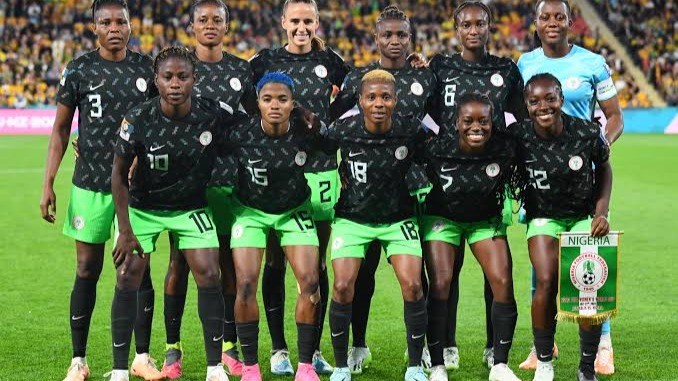
Football has become one of the most visible examples of women’s sports growth in Africa. National women’s teams from countries such as Nigeria, South Africa, Morocco, Zambia, and Ghana have gained international recognition through impressive performances in continental and global competitions.
Nigeria’s women’s national team, often referred to as the Super Falcons, has consistently dominated African football and has inspired generations of young female players. Their success has demonstrated that African women can compete at the highest levels of the sport.
The growing popularity of women’s football leagues across Africa has also provided more opportunities for athletes to develop professionally. Increased investment from football associations and international governing bodies has further accelerated the sport’s growth.
Athletics: Africa’s Longstanding Strength
Athletics remains one of the strongest sporting disciplines for African women. Female runners from East African nations have dominated international competitions for years, winning Olympic and World Championship medals.
Athletes from Kenya, Ethiopia, Uganda, and other countries continue to set world-class standards in middle-distance and long-distance events. Their achievements have brought global attention to African talent and inspired greater participation among young girls.
Beyond distance running, African women are increasingly excelling in sprints, field events, and marathon competitions, showcasing the continent’s diverse athletic capabilities.
The Growth of Women’s Basketball
Women’s basketball has experienced rapid development across Africa. National teams have become more competitive internationally, while local leagues continue to improve in organization and professionalism.
Many African female basketball players now compete in top leagues around the world, including Europe and North America. Their success has helped raise the profile of the sport at home and encouraged greater investment in youth development programs.
Basketball academies and grassroots initiatives are also creating pathways for young girls to combine education with athletic development.
Combat Sports and New Opportunities
African women are increasingly making headlines in boxing, mixed martial arts, wrestling, and other combat sports. These athletes are challenging stereotypes and proving that women can excel in physically demanding disciplines.
Their success is particularly significant because combat sports have traditionally been viewed as male-dominated fields. As more female champions emerge, public perceptions continue to evolve, encouraging broader participation among women and girls.
The Role of Education and Grassroots Programs
Schools and community-based sports programs have played a vital role in expanding opportunities for female athletes. Across Africa, governments, non-governmental organizations, and private institutions are investing in initiatives that encourage girls to participate in sports from an early age.
These programs provide access to coaching, equipment, mentorship, and competitive opportunities. They also help build confidence, leadership skills, teamwork, and discipline among young participants.
The expansion of grassroots programs is creating a stronger foundation for future generations of elite female athletes.
Increased Media Coverage and Sponsorship
The rise of digital media has significantly improved visibility for women’s sports in Africa. Social media platforms allow athletes to connect directly with fans, share their stories, and build personal brands.
As audiences grow, sponsors are recognizing the commercial potential of women’s sports. Corporate partnerships, endorsements, and broadcasting deals are becoming more common, providing financial support that was previously difficult to secure.
Greater media coverage not only benefits athletes but also inspires young girls by providing visible role models who demonstrate what is possible through dedication and hard work.
Economic and Social Impact
The growth of women’s sports extends beyond athletic achievement. It contributes to economic development through job creation, event hosting, tourism, and sports-related businesses.
Socially, women’s sports promote gender equality by challenging outdated stereotypes and creating opportunities for leadership and empowerment. Successful female athletes often become advocates for education, health, and social development within their communities.
Their influence helps encourage broader conversations about women’s rights and equal opportunities across society.
Remaining Challenges
Despite significant progress, several challenges remain. Many women’s teams still receive less funding than their male counterparts. Access to quality training facilities, medical support, and professional contracts can be limited in some regions.
In addition, media coverage and sponsorship opportunities remain uneven. Continued investment from governments, sports federations, businesses, and international organizations will be necessary to sustain growth and ensure long-term success.
Addressing these challenges will require collaboration among stakeholders who recognize the value of women’s sports both on and off the field.
Conclusion
The rise of women’s sports in Africa represents one of the most exciting developments in the continent’s sporting landscape. Female athletes are achieving remarkable success, inspiring future generations, and transforming perceptions about women’s capabilities in sports.
While challenges persist, the momentum is undeniable. With continued investment, improved infrastructure, greater media attention, and stronger grassroots programs, women’s sports in Africa are poised for an even brighter future. As more girls gain access to opportunities and role models, the continent will continue to produce world-class athletes who make Africa proud on the global stage.



Leave a reply






Africa’s Source for Breaking News | Entertainments | Health | Finance | Sports | Lifestyle and Business News.


