
The Business of Event Planning in Africa
The Business of Event Planning in Africa
Across Africa, event planning has grown from a simple coordination service into a thriving multi-billion-dollar industry.
From lavish weddings in Lagos and Accra to corporate conferences in Nairobi, cultural festivals in Kigali, fashion shows in Johannesburg, and music concerts in Dakar, professional event planners have become indispensable. They transform ideas into memorable experiences while creating employment opportunities and stimulating local economies.
As Africa’s population becomes younger, more urbanized, and increasingly connected through digital technology, the demand for professionally organized events continues to rise. Today, event planning is no longer viewed as a side hustle but as a profitable business capable of generating sustainable income while supporting numerous other industries.
This article explores the evolution of Africa’s event planning industry, emerging trends, inspiring success stories, business opportunities, challenges, and practical advice for aspiring entrepreneurs.
The Rise of Africa’s Event Planning Industry
Over the last two decades, Africa has experienced remarkable economic and social changes. A growing middle class, increased corporate investment, expanding tourism, and improved internet access have transformed how people celebrate and conduct business.
Events have become bigger, more sophisticated, and more frequent. These include:
- Weddings
- Birthday celebrations
- Conferences
- Trade exhibitions
- Product launches
- Music festivals
- Cultural festivals
- Religious gatherings
- Sporting events
- Political campaigns
- Award ceremonies
Instead of relying solely on family members, individuals and organizations now hire professional event planners to manage logistics, décor, budgeting, guest coordination, security, entertainment, catering, and media coverage.
Why Event Planning Is Big Business
Event planning creates value far beyond organizing celebrations. Every successful event supports an ecosystem of businesses.
A single wedding, for example, may involve:
- Caterers
- Photographers
- Videographers
- Makeup artists
- Fashion designers
- Florists
- Transportation companies
- Hotels
- DJs
- Live bands
- Rental companies
- Security firms
- Printing businesses
- Digital marketers
This interconnected value chain creates thousands of jobs across Africa every year.
As the number of events grows, so does demand for specialized professionals who can deliver high-quality experiences.
Industries Driving Demand
Several sectors continue to fuel Africa’s event planning industry.
Weddings
African weddings are among the largest contributors to event planning revenue. Families increasingly invest in elegant venues, premium décor, entertainment, and professional coordination to create unforgettable experiences.
Corporate Events
Businesses organize seminars, annual meetings, networking sessions, product launches, and staff retreats throughout the year.
These events require planners skilled in logistics, branding, technology integration, and project management.
Entertainment
Africa’s entertainment industry has experienced explosive growth.
Music festivals, comedy shows, movie premieres, and fashion events require experienced planners capable of managing large crowds and multiple vendors.
Tourism
Countries are investing in festivals and cultural events that attract international visitors while promoting local heritage.
These events provide opportunities for planners specializing in destination management.
Technology Is Transforming Event Planning
Digital technology has completely changed how events are organized.
Modern planners now use technology for:
- Online registration
- Digital invitations
- Event websites
- QR-code ticketing
- Live streaming
- Mobile payment systems
- Virtual meetings
- Event management software
- Customer relationship management
- Social media marketing
Artificial intelligence also assists with scheduling, attendee communication, personalized marketing, and customer engagement.
Technology enables African planners to serve international clients while improving efficiency and reducing costs.
Emerging Trends Across Africa
Sustainable Events
Many clients now prefer environmentally friendly celebrations.
This includes:
- Digital invitations
- Recyclable decorations
- Local sourcing
- Reduced food waste
- Eco-friendly venues
Sustainability is becoming a competitive advantage.
Hybrid Events
Organizations increasingly combine physical attendance with virtual participation.
Hybrid events allow speakers and attendees from different countries to participate without extensive travel.
Personalized Experiences
Modern clients want unique events that reflect their personalities, cultures, and stories rather than generic templates.
Customization has become a key selling point.
Social Media-Ready Events
Instagram, TikTok, Facebook, and YouTube have changed expectations.
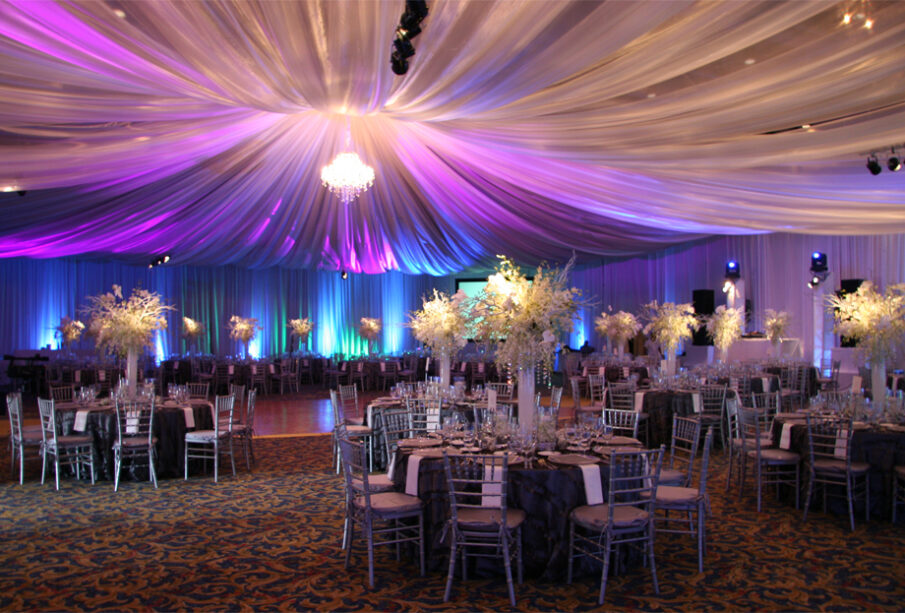
Many clients now prioritize visually stunning décor, creative lighting, interactive installations, and memorable photo opportunities.
Success Stories Across Africa
Across the continent, thousands of entrepreneurs have transformed event planning into successful businesses.
Some started by organizing birthday parties for friends before expanding into luxury weddings and corporate events.
Others identified niche markets such as children’s parties, destination weddings, cultural festivals, or business conferences.
Many successful planners share common characteristics:
- Strong organizational skills
- Excellent communication
- Reliable vendor networks
- Creativity
- Financial discipline
- Consistent customer service
Their growth demonstrates that determination and professionalism can build respected brands, even with limited starting capital.
Business Opportunities
Africa’s event industry offers numerous opportunities beyond planning itself.
Event Décor
Creative décor businesses provide themed decorations, floral arrangements, lighting, and stage design.
Equipment Rental
Companies rent chairs, tables, tents, lighting systems, generators, sound equipment, and dance floors.
Catering
Food remains one of the largest event expenses.
Quality catering businesses continue to experience strong demand.
Photography and Videography
Clients increasingly seek premium visual storytelling to preserve memories and create social media content.
Event Technology
There is growing demand for:
- Registration software
- Ticketing platforms
- Event mobile apps
- Virtual event production
- Live streaming services
Destination Events
Beautiful African beaches, game reserves, vineyards, mountains, and heritage sites provide opportunities for destination weddings and corporate retreats.
Challenges Facing Event Businesses
Despite rapid growth, entrepreneurs face several obstacles.
Economic Uncertainty
Inflation and fluctuating exchange rates can affect client budgets and vendor pricing.
Infrastructure
Power outages, poor road networks, and inconsistent internet access remain challenges in some regions.
Competition
The low barrier to entry means many new planners enter the market each year.
Businesses must differentiate themselves through quality and professionalism.
Last-Minute Changes
Clients frequently change guest numbers, schedules, venues, or décor requirements.
Successful planners build flexibility into their operations.
How to Start an Event Planning Business
For aspiring entrepreneurs, the industry remains highly accessible.
1. Learn the Basics
Study project management, budgeting, negotiation, customer service, and event coordination.
2. Build Experience
Volunteer at weddings, conferences, community events, or festivals to gain practical knowledge.
3. Create a Portfolio
Document every project with high-quality photographs, videos, testimonials, and case studies.
4. Develop Vendor Relationships
Reliable suppliers are essential for delivering successful events.
5. Invest in Marketing
Use social media, professional websites, referrals, and networking to attract clients.
6. Focus on Customer Experience
Satisfied clients become your strongest marketers through recommendations and repeat business.
Skills Every Event Planner Needs
The most successful professionals combine creativity with business knowledge.
Essential skills include:
- Leadership
- Time management
- Budgeting
- Negotiation
- Communication
- Problem-solving
- Team coordination
- Marketing
- Digital literacy
- Crisis management
- Attention to detail
These abilities help planners manage both routine tasks and unexpected challenges.
The Future of Event Planning in Africa
The future looks exceptionally promising. Africa’s youthful population, expanding cities, rising entrepreneurship, and digital transformation will continue driving demand for professional event services.
Corporate investment, international conferences, tourism initiatives, entertainment industries, and destination events are expected to create new opportunities across the continent.
Planners who embrace innovation, sustainability, technology, and exceptional customer service will be well positioned for long-term success.
Conclusion
The business of event planning in Africa has evolved into one of the continent’s most dynamic service industries. It generates employment, supports countless small businesses, celebrates cultural diversity, and contributes significantly to local economies.
Whether organizing an intimate family celebration or a large international conference, event planners play a vital role in creating memorable experiences that bring people together.
For entrepreneurs, the industry offers exciting possibilities with relatively low entry barriers and enormous growth potential. By developing strong organizational skills, embracing technology, building trusted partnerships, and consistently delivering excellence, aspiring event planners can establish thriving businesses that leave lasting impressions across Africa.
As demand continues to grow, Africa’s event planning industry is set to become an even more influential contributor to the continent’s creative economy, proving that unforgettable experiences are not only meaningful, they are also excellent business.



Leave a reply






Africa’s Source for Breaking News | Entertainments | Health | Finance | Sports | Lifestyle and Business News.


