
The Business Opportunities in Food Processing
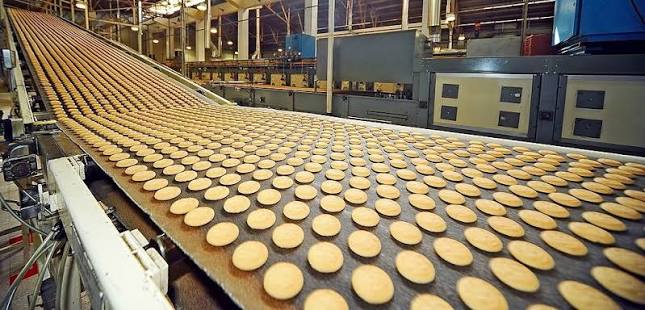
The Business Opportunities in Food Processing
Food processing is one of the fastest-growing sectors in Africa, offering countless opportunities for entrepreneurs, investors, and small business owners.
As populations grow, urbanization increases, and consumer preferences evolve, the demand for processed food continues to rise across the continent. From preserving agricultural produce to creating value-added products, food processing not only improves food security but also creates jobs, boosts farmers’ incomes, and contributes significantly to economic development.
Africa produces vast quantities of agricultural products every year, yet a significant percentage is lost due to poor storage, inadequate transportation, and limited processing capacity. This gap presents enormous business opportunities for individuals willing to invest in transforming raw agricultural products into finished goods that are safer, longer-lasting, and more convenient for consumers.
This article explores the major business opportunities in food processing, the benefits of investing in the industry, the challenges entrepreneurs may face, and practical strategies for building a successful food processing business.
Understanding Food Processing
Food processing involves converting raw agricultural products into edible, market-ready products through various methods such as cleaning, drying, milling, fermenting, canning, freezing, packaging, and preservation.
Examples include:
- Turning cassava into garri, flour, or starch.
- Processing tomatoes into paste or puree.
- Milling maize into flour.
- Producing fruit juices from fresh fruits.
- Making yogurt and cheese from milk.
- Processing palm fruits into palm oil.
- Packaging spices and herbs for retail markets.
Food processing increases the value of agricultural products while extending their shelf life and improving their market appeal.
Why Food Processing is a Growing Industry in Africa
Several factors are driving the rapid expansion of food processing across Africa.
Growing Population
Africa’s population continues to increase rapidly, creating greater demand for packaged, safe, and convenient foods.
Urbanization
Busy urban lifestyles have increased consumer preference for ready-to-cook and ready-to-eat food products.
Rising Middle Class
As household incomes improve, consumers increasingly seek higher-quality packaged foods with consistent standards.
Government Support
Many African governments encourage agro-processing through grants, agricultural programs, industrial parks, tax incentives, and entrepreneurship initiatives.
Export Opportunities
Processed food products often meet international market standards more easily than raw agricultural commodities, creating opportunities for regional and global trade.
Major Business Opportunities in Food Processing
1. Grain Processing
Entrepreneurs can process:
- Rice
- Maize
- Millet
- Sorghum
- Wheat
Products include:
- Flour
- Breakfast cereals
- Animal feed
- Packaged grains
Demand for these products remains consistently high across households, schools, restaurants, and bakeries.
2. Fruit Processing
Large quantities of fruits spoil during harvest seasons because of inadequate preservation.
Business opportunities include producing:
- Fruit juice
- Jam
- Dried fruits
- Fruit concentrates
- Smoothies
- Fruit powders
This reduces waste while generating year-round income.
3. Vegetable Processing
Fresh vegetables have short shelf lives.
Processing options include:
- Frozen vegetables
- Tomato paste
- Pepper paste
- Vegetable powders
- Packaged salads
These products provide convenience to consumers and restaurants.
4. Cassava Processing
Cassava is one of Africa’s most important crops.
Products include:
- Garri
- Cassava flour
- Industrial starch
- Ethanol
- High-quality cassava flour
- Animal feed
Cassava processing serves both food and industrial markets.
5. Dairy Processing
Milk can be transformed into:
- Yogurt
- Cheese
- Butter
- Ice cream
- Flavored milk
- Powdered milk
Growing demand for dairy products creates profitable opportunities.
6. Meat and Fish Processing
Businesses can process:
- Smoked fish
- Frozen fish
- Sausages
- Beef products
- Chicken products
- Dried meat
Proper packaging and cold storage increase product quality and shelf life.
7. Oil Processing
Oil extraction remains one of Africa’s most profitable food industries.
Examples include:
- Palm oil
- Groundnut oil
- Soybean oil
- Coconut oil
- Sesame oil
- Sunflower oil
Value-added packaging significantly increases profit margins.
8. Spice Processing
Africa produces numerous spices that can be cleaned, dried, ground, and packaged.
Examples include:
- Ginger powder
- Garlic powder
- Chili powder
- Curry blends
- Mixed seasonings
Small-scale spice processing requires relatively low startup capital.
9. Snack Manufacturing
Processed snacks continue to enjoy growing popularity.
Examples include:
- Plantain chips
- Potato chips
- Popcorn
- Roasted peanuts
- Granola
- Cookies
Creative branding can help local snack businesses compete effectively.
10. Beverage Production
Opportunities include producing:
- Natural fruit drinks
- Bottled water
- Herbal beverages
- Malt drinks
- Coconut water
- Healthy smoothies
Health-conscious consumers increasingly prefer beverages made from natural ingredients.
Benefits of Investing in Food Processing
Adds Value to Agricultural Products
Processing significantly increases the market value of raw produce.
Reduces Post-Harvest Losses
Millions of tonnes of food are lost annually due to spoilage. Processing helps preserve products and minimize waste.
Creates Employment
Food processing generates jobs in farming, transportation, packaging, marketing, logistics, quality control, and retail.
Supports Farmers
Reliable processors provide stable markets for farmers, encouraging increased agricultural production.
Enhances Food Security
Processed foods remain available throughout the year, reducing shortages during off-seasons.
Increases Export Earnings
Processed food products often command higher prices in international markets than raw commodities.
Essential Equipment for Food Processing
Equipment depends on the product but may include:
- Washing machines
- Peelers
- Grinders
- Mills
- Mixers
- Dryers
- Pasteurizers
- Packaging machines
- Vacuum sealers
- Cold storage facilities
- Quality testing equipment
Modern equipment improves efficiency and product consistency.
Challenges in Food Processing
Although profitable, the industry presents several challenges.
High Initial Investment
Machinery, factory space, utilities, and certifications can require significant capital.
Inconsistent Power Supply
Reliable electricity is critical for processing and cold storage.
Limited Storage Facilities
Poor storage infrastructure can affect product quality.
Regulatory Compliance
Businesses must meet food safety standards, labeling requirements, and quality regulations.
Market Competition
Both local and imported products compete for consumer attention.
Supply Chain Issues
Seasonal availability of raw materials may affect production schedules.
Strategies for Success
Entrepreneurs can improve their chances of success by:
- Conducting detailed market research.
- Starting with products that have consistent demand.
- Prioritizing food safety and hygiene.
- Investing in attractive packaging.
- Building strong relationships with farmers.
- Maintaining consistent product quality.
- Using digital marketing and e-commerce platforms.
- Obtaining relevant certifications.
- Continuously improving production efficiency.
- Listening to customer feedback and adapting products accordingly.
The Role of Technology
Technology is transforming food processing through:
- Automated production systems
- Smart packaging
- Cold chain logistics
- Digital inventory management
- Online sales platforms
- Quality monitoring systems
- Traceability technologies
These innovations improve productivity while reducing costs and waste.
Future Prospects
Africa’s food processing industry has enormous growth potential. Increasing investments in agriculture, expanding regional trade, improved infrastructure, and growing consumer demand are creating new opportunities every year. Entrepreneurs who embrace innovation, maintain high quality standards, and respond to changing market trends will be well-positioned to build sustainable and profitable businesses.
The growing interest in healthy foods, organic products, locally sourced ingredients, and environmentally friendly packaging also opens new niches for forward-thinking food processors.
Conclusion
Food processing represents one of the most promising business sectors in Africa. By transforming raw agricultural products into high-value goods, entrepreneurs can generate income while supporting farmers, creating jobs, reducing food waste, and contributing to national economic growth. Although the industry requires careful planning, investment, and adherence to quality standards, its long-term rewards can be substantial.
As Africa continues to modernize its agricultural and industrial sectors, food processing will remain a key driver of sustainable development. Entrepreneurs who identify market needs, invest in efficient production methods, and deliver safe, high-quality products will be well-positioned to succeed in this expanding industry.




Leave a reply




Africa’s Source for Breaking News | Entertainments | Health | Finance | Sports | Lifestyle and Business News.


