
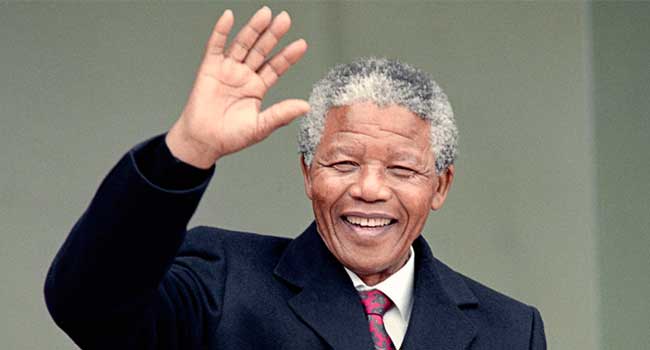
The Evolution of Political Leadership in Africa
Political leadership has played a defining role in shaping Africa’s past, present, and future.
Since the wave of independence that swept across the continent in the mid-20th century, African leaders have faced the enormous responsibility of building nations, promoting economic growth, maintaining stability, and improving the lives of millions. While some leaders became symbols of unity and progress, others struggled with corruption, authoritarianism, and political instability.
Over the decades, political leadership in Africa has undergone significant transformation. Today, many countries are embracing democratic reforms, youth participation, digital governance, and greater accountability. Although challenges remain, the continent continues to produce leaders who are redefining governance and inspiring positive change.
This article explores the evolution of political leadership in Africa, highlighting key historical phases, major achievements, ongoing challenges, and emerging trends that could shape the continent’s political future.
Traditional Leadership Before Colonial Rule
Long before colonial powers arrived, Africa had sophisticated systems of governance. Kingdoms, empires, chiefdoms, and city-states developed political structures that reflected local cultures and traditions.
For example, the Mali Empire, the Kingdom of Benin, the Ashanti Kingdom, and the Ethiopian Empire all maintained organized governments with clearly defined leadership roles. Traditional rulers often worked alongside councils of elders, military commanders, and community representatives to make decisions.
Leadership emphasized:
- Community welfare
- Justice and conflict resolution
- Protection of territory
- Preservation of cultural values
- Economic development through trade
Although governance differed from one region to another, many societies valued consultation, consensus-building, and accountability within their traditional institutions.
Colonial Rule and the Loss of Political Independence
The colonial era dramatically changed Africa’s political landscape. Beginning in the late nineteenth century, European powers divided much of Africa among themselves during the period commonly known as the Scramble for Africa.
Colonial administrations dismantled many indigenous political systems and replaced them with centralized governments controlled from Europe. African leaders lost political authority, while colonial officials made decisions regarding taxation, education, natural resources, and infrastructure.
Consequently, Africans had little influence over policies affecting their communities. Colonial governments also created artificial borders that grouped different ethnic communities into single countries. These borders continue to influence political dynamics today.
Nevertheless, colonial rule also sparked nationalist movements as educated Africans began demanding self-government and independence.
The Independence Era
Between the 1950s and 1970s, many African countries gained independence. This period marked the birth of a new generation of political leaders determined to build sovereign nations.
Several leaders became internationally recognized for their role in liberation movements and nation-building.
Some focused on:
- Expanding education
- Building national identity
- Developing infrastructure
- Promoting African unity
- Reducing foreign influence
However, newly independent governments faced enormous obstacles. Many inherited weak institutions, economies dependent on raw material exports, limited industrial capacity, and widespread poverty.
Additionally, Cold War politics often influenced domestic leadership. Foreign powers supported different governments based on ideological alliances, which sometimes fueled instability.
One-Party States and Military Governments
Unfortunately, democratic governance did not always take root after independence. Throughout the 1960s, 1970s, and 1980s, numerous African countries experienced military coups and one-party rule.
Several factors contributed to this trend:
- Weak democratic institutions
- Political rivalries
- Economic crises
- Ethnic tensions
- External political interference
Military governments often justified their actions by promising stability or economic reform. While some introduced important infrastructure projects or administrative reforms, many restricted civil liberties, weakened democratic institutions, and concentrated power in the executive branch.
Similarly, one-party systems reduced political competition and limited citizens’ ability to hold leaders accountable. These developments slowed democratic progress across parts of the continent.
The Democratic Transition
Beginning in the late 1980s and continuing through the 1990s, Africa experienced a major political transformation.
Growing public demand for political freedom, combined with economic pressures and international support for democratic governance, encouraged many countries to introduce constitutional reforms.
As a result, several nations adopted:
- Multi-party elections
- Independent electoral commissions
- Constitutional term limits
- Stronger judicial systems
- Expanded civil liberties
Although democratic progress varied across countries, elections gradually became more common. Civil society organizations, independent media, and human rights groups also became more influential in monitoring government performance and promoting transparency.
Modern Political Leadership in Africa
Today’s African political leadership is more diverse than at any previous point in history.
Many governments increasingly recognize the importance of transparency, digital innovation, citizen engagement, and sustainable development. Several positive trends are becoming more visible.
Greater Youth Participation
Africa has the world’s youngest population. Consequently, young people are demanding greater involvement in politics and public decision-making.
Youth-led movements increasingly advocate for:
- Electoral reforms
- Employment opportunities
- Better education
- Government accountability
- Digital innovation
Many young politicians are also entering public office and bringing fresh perspectives to governance.
Rising Female Leadership
Women are becoming increasingly influential in African politics.
Across the continent, women now serve as:
- Presidents
- Vice presidents
- Prime ministers
- Ministers
- Speakers of parliament
- Local government officials
Greater female participation strengthens representation and encourages more inclusive policymaking.
Although gender inequality still exists in many political systems, progress continues through constitutional reforms, political quotas, and advocacy initiatives.
Technology and Digital Governance
Technology is transforming political leadership across Africa.
Governments increasingly use digital platforms to:
- Deliver public services
- Improve tax collection
- Increase transparency
- Communicate with citizens
- Promote e-government initiatives
At the same time, citizens use social media to discuss policies, organize civic campaigns, and hold public officials accountable.
Digital technology has therefore expanded political participation beyond traditional institutions.
Persistent Challenges
Despite considerable progress, African political leadership still faces several important challenges.
Corruption
Corruption remains one of the biggest obstacles to effective governance.
Mismanagement of public funds reduces investment in education, healthcare, infrastructure, and social services.
Many governments continue strengthening anti-corruption agencies, although enforcement varies between countries.
Electoral Disputes
In some countries, disputed elections continue to generate political tension.
Concerns may include:
- Electoral transparency
- Vote counting
- Political violence
- Voter intimidation
- Judicial independence
Strengthening electoral institutions remains essential for maintaining public trust.
Economic Pressures
Political leaders must address rising unemployment, inflation, public debt, and poverty while responding to rapid population growth.
At the same time, governments must diversify economies that often rely heavily on commodity exports.
Strong economic leadership increasingly determines political stability.
Security Concerns
Several regions continue facing security challenges involving terrorism, insurgencies, organized crime, and communal conflicts.
Political leadership therefore requires balancing national security with respect for human rights and democratic principles.
Regional Cooperation and Collective Leadership
Political leadership in Africa increasingly extends beyond national borders.
Regional organizations promote cooperation on trade, security, health, infrastructure, and diplomacy.
These institutions encourage dialogue, peaceful conflict resolution, and economic integration.
Continental initiatives also seek to improve governance standards, strengthen democratic institutions, and encourage sustainable development through collective action.
As regional cooperation expands, African leaders have greater opportunities to solve shared challenges together.
The Future of Political Leadership in Africa
The future of political leadership in Africa will likely depend on several key factors.
First, strengthening democratic institutions will remain essential. Independent courts, free media, and transparent elections help build public confidence.
Second, education will continue producing informed citizens capable of participating actively in governance.
Third, technology will further reshape how governments interact with citizens through digital public services and increased transparency.
Fourth, young leaders will likely play an increasingly important role as Africa’s youthful population becomes more politically engaged.
Finally, leadership that prioritizes integrity, innovation, inclusiveness, and sustainable development will be better positioned to address the continent’s evolving challenges.
Although no political system is perfect, many African countries continue making meaningful progress toward more accountable and responsive governance.
Conclusion
The evolution of political leadership in Africa reflects a remarkable journey from traditional governance systems through colonial rule, independence movements, authoritarian periods, and ongoing democratic transformation. Each stage has shaped the continent’s political identity and influenced how governments serve their citizens.
Today, Africa stands at an important crossroads. Growing youth participation, expanding digital governance, stronger civil society organizations, and increasing female representation offer reasons for optimism. At the same time, corruption, economic inequality, security challenges, and political instability continue to demand effective leadership.
Ultimately, the future of Africa will depend not only on those who hold political office but also on active citizens who participate in democratic processes, demand accountability, and contribute to building stronger institutions. As leadership continues to evolve, the continent has an opportunity to create governments that better reflect the aspirations, diversity, and potential of its people.


Leave a reply





Africa’s Source for Breaking News | Entertainments | Health | Finance | Sports | Lifestyle and Business News.


