
The Evolution of African Storytelling in Film
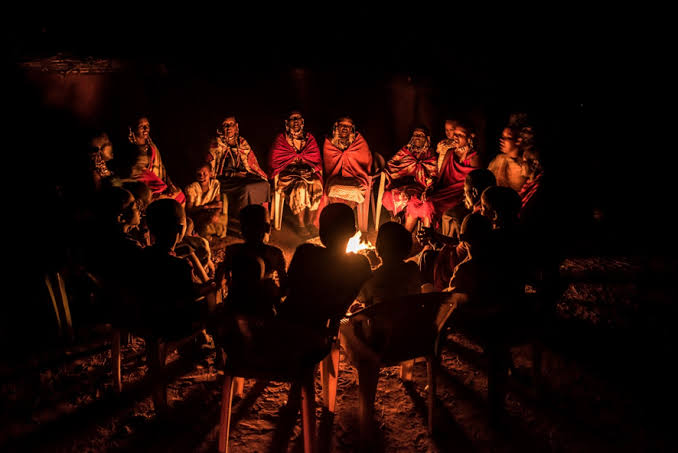
The Evolution of African Storytelling in Film
African storytelling has existed for centuries, long before cameras, cinemas, and streaming platforms became part of everyday life.
Across the continent, communities preserved history, culture, moral lessons, family traditions, and collective memories through oral stories, songs, folklore, proverbs, dance, and theatre.
Today, many of those traditions have found a new home in film.
African cinema has evolved significantly over the decades. Filmmakers are no longer simply adapting traditional stories for the screen. They are using film to explore identity, migration, politics, family, spirituality, history, social change, and everyday African life. At the same time, modern filmmakers are combining indigenous storytelling traditions with contemporary filmmaking techniques to reach audiences across the world.
From Oral Tradition to the Big Screen
Traditional African storytelling was often a communal experience. A storyteller could gather children, families, or an entire community and use voice, gesture, music, rhythm, and dramatic pauses to bring a story to life.
Many stories were passed from one generation to another. Folktales featuring animals, spirits, ancestors, heroes, and ordinary people taught lessons about courage, responsibility, community, greed, honesty, and respect.
Film introduced a different way of preserving and presenting these stories.
Instead of relying entirely on memory and oral transmission, filmmakers could record characters, locations, costumes, music, and dialogue. This created opportunities to preserve cultural narratives while presenting them to much larger audiences.
The transition was not immediate. Early African filmmakers worked within complex political and economic environments, including colonial systems that often controlled the production and distribution of African images.
As African countries gained independence, filmmaking became an important way for artists to reclaim cultural identity and tell stories from African perspectives.
The Rise of African Cinema After Independence
The decades following independence brought important changes to African cinema.
Filmmakers began questioning how Africa and Africans had been represented in foreign films. Instead of allowing outsiders to define African societies, local filmmakers increasingly created stories from their own experiences.
Countries such as Senegal, Egypt, Ghana, Nigeria, Burkina Faso, South Africa, and others developed influential filmmaking traditions.
Filmmakers explored themes that reflected their societies, including colonialism, independence, cultural conflict, poverty, family relationships, political power, religion, and modernization.
The result was a cinema that could serve both artistic and social purposes.
Film became more than entertainment. It became a way to ask difficult questions about African societies and their changing identities.
Nollywood and the Democratization of African Filmmaking
One of the most significant developments in African film history has been the rise of Nigeria’s Nollywood industry.
Nollywood demonstrated that African filmmakers could create large volumes of films for local and international audiences, sometimes with relatively limited production resources.
The industry’s growth was closely connected to the popularity of home video. Filmmakers could produce movies on video, distribute them through physical markets, and reach audiences outside traditional cinema systems.
These films often focused on subjects that audiences immediately recognized: family disputes, relationships, religion, wealth, ambition, betrayal, traditional beliefs, business, and everyday struggles.
Although Nollywood has faced criticism over production quality, storytelling formulas, and commercialization, its cultural impact is difficult to ignore.
It helped establish African audiences as important consumers of locally produced entertainment and created opportunities for actors, directors, writers, editors, cinematographers, costume designers, and other creative professionals.
African Folklore Finds New Life in Modern Film
Modern African filmmakers continue to draw inspiration from traditional folklore.
Stories about ancestral spirits, supernatural forces, traditional kingdoms, mythical creatures, and moral conflicts can now be presented using sophisticated cinematography, visual effects, sound design, and production design.
This creates an interesting relationship between tradition and technology.
A filmmaker can take an old folktale and reinterpret it for a modern audience without completely abandoning its cultural foundation. Characters can speak contemporary languages, live in modern cities, or face current social problems while still being connected to traditional ideas.
This approach allows old stories to remain relevant.
For younger audiences who may have limited exposure to traditional oral storytelling, film can provide another way to encounter cultural narratives.
The Influence of African Languages
Language has also played an important role in the evolution of African cinema.
Earlier films sometimes relied heavily on colonial languages such as English, French, or Portuguese. However, filmmakers increasingly recognize the importance of indigenous languages in creating authentic storytelling experiences.
Nigerian cinema, for example, includes films in Yoruba, Igbo, Hausa, and other Nigerian languages. Across Africa, filmmakers have also used languages such as Amharic, Wolof, isiXhosa, isiZulu, Swahili, and many others.
Language does more than communicate dialogue.
It carries humour, cultural references, proverbs, expressions, rhythm, and ways of understanding the world. Translating these elements into another language can sometimes change their meaning.
By using indigenous languages, filmmakers can preserve cultural details while allowing international audiences to experience African stories through subtitles and dubbing.
From Local Audiences to Global Platforms
Technology has dramatically changed how African films reach audiences.
Traditional cinema distribution often limited films to particular countries or regions. Digital platforms have changed that equation.
Streaming services and online video platforms can make African productions accessible to audiences around the world.
This has increased international interest in African actors, directors, writers, and stories.
A film produced in Lagos, Accra, Nairobi, Johannesburg, Cairo, or Dakar can potentially reach viewers far beyond its original market.
This global exposure has also changed what audiences expect from African films.
Viewers increasingly want stories that feel culturally authentic while maintaining production standards that allow them to compete internationally.
African Stories Beyond Stereotypes
Another important development is the growing diversity of African stories. For many years, international portrayals of Africa frequently focused on themes such as poverty, conflict, wildlife, famine, or political instability.
Contemporary African filmmakers have increasingly expanded the picture.
African films now explore romance, comedy, science fiction, business, fashion, technology, sports, family life, music, urban culture, migration, and personal identity.
A film can tell a story about an African entrepreneur trying to build a company, a young person navigating life in a major city, a family dealing with generational differences, or friends pursuing creative careers.
These stories are significant because they present African societies as complex and diverse rather than reducing the continent to a single narrative.
Women and New Voices in African Cinema
The evolution of African film has also created greater opportunities for women filmmakers, writers, producers, and other creative professionals.
Women are increasingly telling stories that examine motherhood, relationships, gender expectations, career ambitions, identity, family structures, and social pressures.
At the same time, younger filmmakers are experimenting with new formats and storytelling approaches.
Independent cinema, short films, documentaries, animation, web series, and social-media storytelling have lowered some of the barriers that previously made filmmaking difficult for emerging creators.
This means African storytelling is no longer controlled by a small group of established production companies.
More voices are entering the conversation.
Technology Is Changing the Storytelling Process
Advances in filmmaking technology have also transformed African cinema. Affordable digital cameras, smartphones, editing software, animation tools, drones, artificial intelligence, visual effects, and online distribution have made filmmaking more accessible.
A young filmmaker with a small team can now produce a short film without the enormous budgets traditionally associated with cinema.
Social media has created another important distribution channel. Short-form videos on platforms such as YouTube, TikTok, Instagram, and other digital platforms allow creators to experiment with characters, comedy, documentaries, cultural commentary, and serialized storytelling.
This experimentation may eventually produce new forms of African cinema that combine traditional filmmaking with internet culture.
The Growing Importance of African History
African filmmakers are also revisiting history. Historical films and documentaries can examine ancient civilizations, kingdoms, colonialism, independence movements, influential leaders, cultural traditions, and important social events.
These productions can contribute to conversations about how African history is remembered and taught.
Historical storytelling also provides opportunities to introduce younger audiences to people and events that may not receive sufficient attention in mainstream entertainment.
However, historical filmmaking requires careful research. Creative interpretation can make a story engaging, but filmmakers must also consider the difference between historical evidence, cultural memory, and fictional storytelling.
The Future of African Storytelling in Film
The future of African cinema will likely involve an even stronger connection between cultural heritage and modern technology.
Filmmakers will continue experimenting with genres, languages, visual effects, animation, virtual production, and digital distribution.
African audiences will also continue shaping the industry by demanding stories that reflect their experiences.
At the same time, international audiences are becoming increasingly interested in African stories, creating opportunities for collaboration between African filmmakers and production companies around the world.
The most important development may be the growing ability of African filmmakers to tell their own stories on their own terms.
The continent does not have one culture, one history, or one storytelling tradition. Africa contains thousands of communities, languages, histories, and creative perspectives.
Its cinema should reflect that diversity.
Conclusion
The evolution of African storytelling in film represents a journey from oral traditions and community performances to cinema, home video, digital filmmaking, and global streaming.
Throughout this transformation, one principle has remained important: the power of stories to preserve culture, question society, entertain audiences, and connect generations.
African filmmakers are now working with more tools and platforms than ever before. They are combining ancestral traditions with modern technology, indigenous languages with global distribution, and local experiences with universal themes.
As African cinema continues to grow, the next generation of filmmakers has an opportunity to build on this history while creating entirely new forms of storytelling.
The camera may be modern, but the tradition behind the story is centuries old.




Leave a reply






Africa’s Source for Breaking News | Entertainments | Health | Finance | Sports | Lifestyle and Business News.


