
Traditional Cooking Techniques Worth Preserving
Traditional Cooking Techniques Worth Preserving
Food is more than something we eat.
Across Africa, cooking connects families, preserves history, celebrates communities, and passes knowledge from one generation to another. Long before modern ovens, electric cookers, blenders, and food processors became common, African communities developed creative ways to prepare meals using local ingredients, simple tools, fire, smoke, sunlight, and patience.
Many of these traditional cooking techniques remain relevant today. They create distinctive flavours, reduce dependence on modern equipment, and help preserve important aspects of African food culture. However, some techniques are gradually disappearing as lifestyles change and younger generations spend less time learning traditional food preparation.
Preserving these methods does not mean rejecting modern cooking. Instead, it means keeping valuable knowledge alive while allowing it to evolve alongside contemporary lifestyles.
Here are some traditional cooking techniques across Africa that are worth preserving.
1. Cooking With Wood Fire
Wood-fire cooking remains an important part of food preparation in many African communities. Meals prepared over fire often develop a distinctive smoky flavour that is difficult to reproduce with conventional gas or electric cookers.
From large pots of beans and soups to roasted plantain, maize, yam, and meat, open-fire cooking has supported generations of African households.
Beyond flavour, wood-fire cooking also represents communal life. Families may gather around the fire while food cooks, creating opportunities for conversation, storytelling, and teaching.
Although modern cooking equipment offers greater convenience, the cultural knowledge surrounding traditional fire cooking deserves preservation.
2. Smoking Food for Preservation
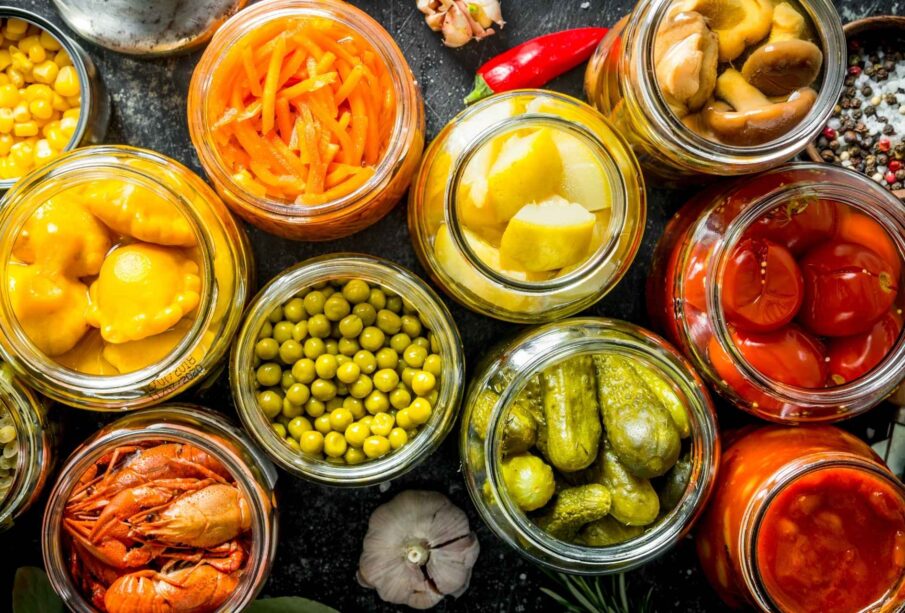
Smoking is one of the oldest food-preservation techniques used across Africa. Fish, meat, and sometimes vegetables are exposed to controlled smoke and heat, which helps extend their storage life while creating a characteristic flavour.
In many coastal and riverine communities, smoked fish has long been an important food and trading product. Nigerian smoked fish, for example, remains popular in households and food businesses.
Traditional smoking methods also demonstrate how communities adapted to environments where refrigeration was unavailable.
Today, improved smoking facilities can make the process safer and more efficient while maintaining the traditional flavour and cultural significance.
3. Sun-Drying Foods
Sun-drying is another traditional preservation method that uses Africa’s abundant sunlight. Fruits, vegetables, herbs, fish, grains, and other foods can be dried to reduce their moisture content and extend their shelf life.
Before modern refrigeration became widely available, drying allowed families to preserve seasonal foods for later use.
Different communities developed their own methods depending on local climates and available ingredients. Dried foods could then be stored and incorporated into meals during periods when fresh produce was less available.
Modern food processors and dehydrators can improve consistency, but traditional sun-drying remains an important example of low-energy food preservation.
4. Fermentation
Fermentation deserves particular attention because it is deeply connected to African food traditions.
Across the continent, communities have developed fermented foods and drinks using grains, cassava, milk, fruits, and other ingredients. Fermentation can change the flavour, texture, aroma, and shelf life of food.
Foods such as ogi in Nigeria demonstrate how fermentation has become part of everyday cuisine. Similar traditions exist in different parts of Africa, with each community developing distinctive ingredients and processes.
Fermentation also demonstrates the importance of patience in traditional cooking. Instead of rushing the preparation process, cooks allow natural processes to transform ingredients.
5. Cooking in Clay Pots
Clay-pot cooking is another technique worth preserving. Before metal cookware became widespread, clay pots served as essential cooking and storage vessels in many African communities.
Cooking in clay can contribute to distinctive textures and flavours. Slow cooking in a clay vessel allows ingredients to develop gradually, making the technique particularly suitable for stews, beans, grains, and other meals.
Clay pots also reflect local craftsmanship. The person making the pot and the person using it both contribute to a food tradition that connects agriculture, pottery, cooking, and community life.
Today, clay cookware can also serve as a reminder that traditional African kitchen tools were often designed around locally available materials.
6. Roasting Over Open Flames
Roasting food directly over flames is one of the simplest traditional cooking techniques. Yet it can produce remarkably rich flavours.
Plantain, maize, yam, meat, fish, and some vegetables can all be roasted over fire. Street food vendors across African cities continue to use this technique, proving that traditional cooking can remain commercially relevant.
Roasting also requires relatively little equipment. A heat source, suitable food, and careful attention can produce a satisfying meal.
This simplicity is one reason the technique remains valuable.
7. Grinding Ingredients by Hand
Before electric blenders and food processors, people relied on mortars, pestles, grinding stones, and other manual tools to process food.
Grinding grains, spices, peppers, nuts, seeds, and other ingredients by hand required physical effort and patience. However, it also gave cooks greater control over texture.
In some traditional recipes, texture plays an important role in the final dish. The difference between a roughly ground ingredient and a completely smooth paste can change how a meal feels and tastes.
Although modern appliances save time, knowledge of traditional grinding methods remains part of culinary heritage.
8. Cooking Underground or in Earth Ovens
Some African communities have traditionally used heated earth or underground cooking methods. Food may be wrapped in leaves or other materials and placed within a prepared pit containing heated stones or embers.
This method allows food to cook slowly and can create tender textures and deep flavours.
Earth cooking also demonstrates how traditional communities made effective use of their surroundings. Instead of relying on complex equipment, cooks worked with heat, soil, stones, leaves, and natural materials.
Such techniques are particularly valuable from a cultural and historical perspective because they reveal how food preparation developed before modern infrastructure.
9. Wrapping Food in Leaves
Leaf-wrapped cooking appears in different forms across African cuisines. Banana leaves, plantain leaves, and other suitable leaves can be used to wrap food before steaming, roasting, or cooking.
The leaves can help retain moisture while adding subtle aromas to the food.
This technique also reflects an important traditional principle: using materials that are readily available in the environment.
Rather than depending on disposable modern packaging, traditional cooks often used natural materials that could perform several functions in food preparation.
10. Slow Cooking
Traditional African cooking often values patience. Large pots of beans, grains, meat, vegetables, and stews may be cooked slowly over a controlled fire.
Slow cooking allows flavours to develop gradually and can transform tougher ingredients into softer, more enjoyable meals.
Modern pressure cookers and electric appliances have made slow cooking faster in many households. However, understanding the traditional method helps explain why patience has always been an important part of African food culture.
Why These Techniques Matter
Traditional cooking techniques are worth preserving for several reasons.
They Preserve Cultural Identity
Recipes can tell stories about migration, agriculture, trade, climate, religion, family traditions, and community life. Cooking techniques add another layer to those stories.
Preserving the method of preparation can therefore be just as important as preserving the recipe itself.
They Protect Indigenous Knowledge
Traditional cooking involves knowledge about fire, crops, seasons, preservation, ingredients, tools, and timing.
Much of this knowledge has traditionally been passed down through observation and practice rather than written instructions. If younger generations stop learning these methods, valuable knowledge can disappear.
They Encourage Local Food Use
Traditional cooking often depends on locally available ingredients. This encourages communities to maintain knowledge of indigenous grains, vegetables, fruits, herbs, spices, and other foods.
Preserving cooking traditions can therefore support interest in local food systems.
They Support Sustainable Practices
Several traditional techniques make use of natural materials and relatively simple equipment. Drying, fermentation, smoking, and other preservation methods can reduce food waste when properly practiced.
However, traditional does not automatically mean sustainable or safe. Modern knowledge can improve these techniques by addressing issues such as hygiene, temperature control, smoke exposure, and food storage.
How Younger Generations Can Preserve Traditional Cooking
Preserving traditional cooking does not require everyone to abandon modern kitchens. Families can start by teaching children how traditional meals are prepared. Older relatives can demonstrate techniques while younger family members document recipes, ingredients, tools, and stories.
Restaurants can also incorporate traditional techniques into modern menus. Food creators can document them through videos, articles, and social media. Culinary schools can introduce students to indigenous cooking methods alongside contemporary techniques.
Communities can even organise food festivals and cooking demonstrations where experienced cooks teach younger people.
The goal should not simply be to recreate the past. Instead, traditional knowledge can become a foundation for creating new African food experiences.
Keeping the Knowledge Alive
Africa’s culinary heritage is incredibly diverse. From fermentation and smoking to clay-pot cooking, sun-drying, roasting, and hand grinding, traditional techniques demonstrate the creativity of generations that worked with limited resources.
Modern technology has made cooking faster and more convenient, and there is no need to reject that progress. However, convenience should not cause valuable knowledge to disappear.
The best approach may be to combine old and new. A modern kitchen can still preserve an ancestral recipe. An electric cooker can prepare a meal inspired by a traditional fire-cooking method. A food business can use modern hygiene standards while maintaining an indigenous preservation technique.
When communities preserve these techniques, they preserve more than methods of preparing food. They preserve memories, skills, stories, and connections between generations.
Traditional cooking therefore deserves a place not only in Africa’s history, but also in its future.


Leave a reply




Africa’s Source for Breaking News | Entertainments | Health | Finance | Sports | Lifestyle and Business News.


