
Sports Academies Producing Future Stars
Sports Academies Producing Future Stars
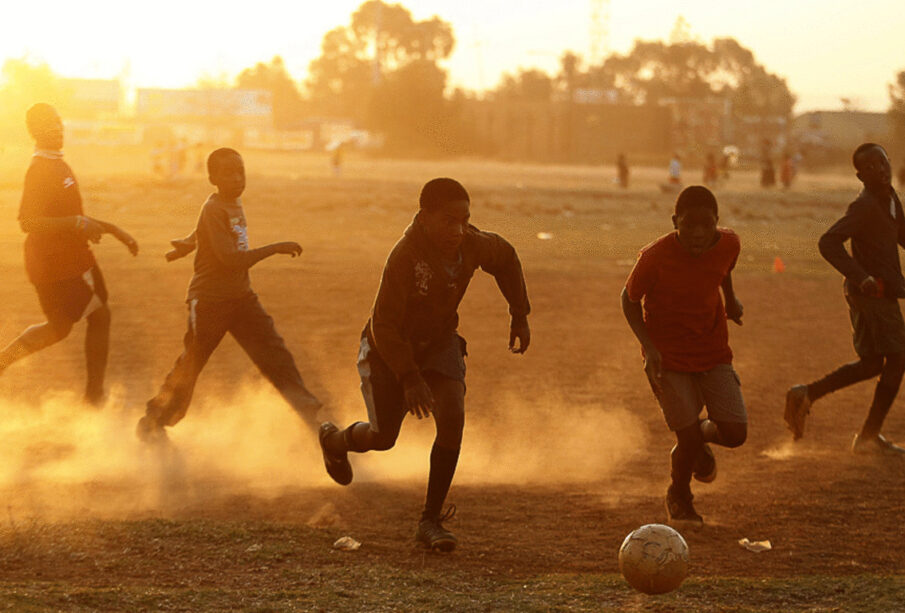
Across Africa, sports are becoming more than a source of entertainment.
They are creating career opportunities, supporting local communities, and giving young people a pathway to international competition. Behind many emerging athletes are sports academies that identify talent early, develop technical skills, and provide structured environments where young players can grow.
From football academies in Nigeria and Ghana to athletics programmes in Kenya and boxing centres across West Africa, these institutions are helping transform raw talent into professional athletes.
The Growing Role of Sports Academies in Africa
Many young Africans grow up playing football, basketball, athletics, boxing, tennis, and other sports in schools, neighbourhoods, and community fields. However, talent alone does not always lead to a professional career.
Sports academies provide structure. Young athletes can receive regular coaching, fitness training, tactical education, mentorship, and opportunities to compete against other talented players.
This structured approach can help athletes understand the demands of professional sport at an earlier age. Instead of relying only on natural ability, players learn discipline, teamwork, communication, nutrition, fitness, and game strategy.
Academies can also connect promising athletes with scouts, clubs, competitions, scholarships, and professional opportunities.
Football Academies Remain a Major Talent Pipeline
Football has arguably created some of Africa’s most visible sports academies. Countries such as Nigeria, Ghana, Senegal, Côte d’Ivoire, Cameroon, and South Africa have developed systems that help young players pursue professional careers.
In Nigeria, for example, football academies operate in several cities and communities. Some focus on developing young players for domestic clubs, while others seek opportunities for players to compete internationally.
The process often begins with basic technical training. Coaches work on ball control, passing, movement, finishing, positioning, and decision-making. As players develop, training becomes more specialized.
For talented teenagers, an academy can become an important bridge between grassroots football and professional competition.
Athletics Academies Are Building Champions
Africa’s reputation in long-distance running has also created demand for specialized athletics training.
Kenya and Ethiopia, in particular, have developed strong running cultures. Young athletes can access training environments where experienced coaches teach endurance, pacing, race strategy, recovery, and discipline.
Athletics academies can also provide opportunities for young runners who may not have access to expensive facilities. A talented athlete with the right coaching and support can progress from local competitions to national and international events.
The same principle applies to other disciplines, including sprinting, jumping, swimming, cycling, and field events.
Academies Go Beyond Physical Training
Successful sports development requires more than teaching athletes how to perform.
Education is increasingly important within youth sports programmes. Young athletes need academic knowledge because not every promising player will become a professional athlete.
Some academies combine sports training with formal education. This approach allows young people to develop their athletic abilities while continuing their studies.
Life skills can also form part of academy programmes. Young athletes may learn about financial responsibility, communication, teamwork, personal discipline, nutrition, and managing pressure.
These lessons can remain valuable even when an athlete’s competitive career eventually ends.
Technology Is Changing Athlete Development
Technology is also influencing how sports academies identify and develop talent.
Video analysis can help coaches examine an athlete’s movements and identify areas that need improvement. Fitness trackers can provide information about training loads, recovery, heart rate, and performance.
Some academies also use digital platforms to record player statistics and create profiles that can be viewed by scouts and clubs.
For African academies, these tools can help reduce geographical barriers. A talented athlete from a smaller city may have a better opportunity to demonstrate their abilities to coaches or organisations outside their immediate community.
The Importance of Qualified Coaches
A sports academy is only as strong as the people responsible for developing its athletes.
Qualified coaches can make a significant difference because they understand how to train young athletes safely and progressively. They also recognise that children and teenagers require different approaches from professional adults.
Good coaches focus on long-term development rather than demanding immediate results from young players.
They also help athletes understand that mistakes are part of development. A young player who receives constructive feedback can gradually improve technique, confidence, and decision-making.
Challenges Facing African Sports Academies
Despite their potential, sports academies across Africa face several challenges. Funding remains one of the biggest issues. Training facilities, equipment, transportation, coaching staff, medical support, accommodation, and competition fees can be expensive.
Some academies also operate without adequate infrastructure. Young athletes may train on poor playing surfaces or lack access to gyms, medical professionals, recovery facilities, and modern equipment.
Another challenge involves protecting young athletes from exploitation. Families and players may sometimes encounter individuals who promise professional contracts or international opportunities in exchange for money.
Strong safeguarding systems, transparent contracts, qualified administrators, and reputable partnerships can help reduce these risks.
Creating More Opportunities for Girls
The development of sports academies also provides an opportunity to expand women’s sports across Africa.
Girls with athletic talent need access to the same quality of coaching, facilities, competitions, education, and career guidance available to boys.
Women’s football, basketball, athletics, rugby, boxing, and other sports continue to attract growing attention across the continent.
Developing more girls’ academies and dedicated programmes can help create pathways from grassroots participation to professional competition.
Partnerships Can Strengthen Sports Development
Sports academies do not have to operate alone. Partnerships with schools, universities, professional clubs, businesses, sports organisations, and community groups can create stronger development systems.
Businesses can provide sponsorship and equipment. Schools can identify talented students. Universities can offer scholarships and education. Professional clubs can provide scouting and competitive opportunities.
These partnerships can create an ecosystem where athletes receive support at different stages of their development.
What the Future Could Look Like
Africa has a large and youthful population with enormous sporting potential. As investment in grassroots sports increases, academies could become increasingly important parts of the continent’s sports economy.
The future may involve more specialised academies, better sports science, improved facilities, stronger safeguarding systems, and greater access to international competitions.
Most importantly, the focus should remain on developing young people rather than simply producing professional athletes. A successful academy should help its students become disciplined, educated, healthy, and resilient individuals.
Conclusion
Sports academies are helping turn potential into opportunity across Africa. By combining professional coaching, education, technology, competition, and mentorship, they can provide young athletes with a structured path toward higher levels of sport.
The next generation of African stars may come from a major city, a small community, a school programme, or a local training centre. What matters is whether that talent receives the support needed to develop.
With responsible investment and stronger development systems, African sports academies can continue to play an important role in producing athletes who compete, and succeed, on the global stage.



Leave a reply




Africa’s Source for Breaking News | Entertainments | Health | Finance | Sports | Lifestyle and Business News.


