
The Growth of African Sports Leagues
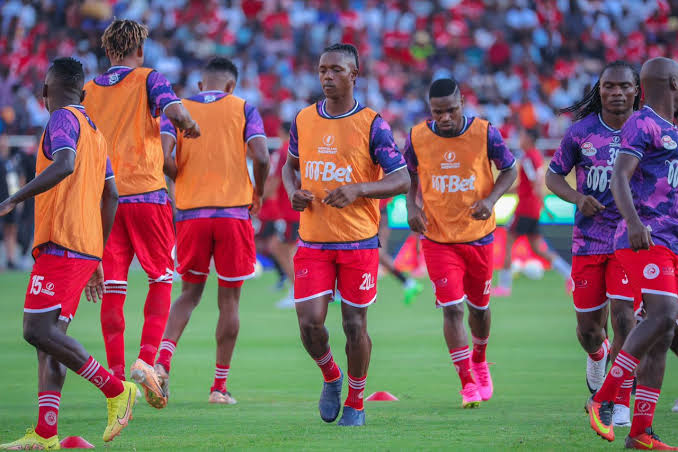
The Growth of African Sports Leagues
Across Africa, sports have always played a vital role in bringing people together, inspiring young people, and showcasing exceptional talent.
While African athletes have long excelled on the international stage, recent years have seen remarkable progress within domestic sports leagues themselves. Football, basketball, rugby, cricket, volleyball, athletics, and other sporting competitions are becoming more professional, attracting greater investment, expanding their fan bases, and contributing significantly to economic development.
The growth of African sports leagues is transforming the continent’s sporting landscape. Improved management, digital broadcasting, corporate sponsorships, and youth development programs are helping local competitions become stronger and more competitive. As a result, African leagues are no longer seen merely as stepping stones to Europe or North America but as valuable sporting ecosystems capable of producing entertainment, employment, and national pride.
Why African Sports Leagues Are Growing
Several factors have contributed to the rapid development of sports leagues across Africa.
Increased Investment
Governments, private investors, corporate sponsors, and international organizations have recognized the commercial potential of African sports. Financial support has helped clubs improve facilities, attract better coaching staff, and strengthen league administration.
Investment has also enabled leagues to improve player welfare, marketing efforts, and fan engagement.
Growing Youth Population
Africa has one of the world’s youngest populations, creating an enormous pool of sporting talent. Schools, academies, and community clubs continue to identify and nurture athletes from an early age.
Young people are also enthusiastic sports fans, driving attendance, merchandise sales, and digital engagement.
Better Media Coverage
Television networks, streaming services, and social media platforms have dramatically increased the visibility of African sports. Fans can now watch matches live, follow player interviews, access highlights instantly, and engage with clubs through social media.
This wider exposure attracts advertisers, sponsors, and international audiences.
Football Continues to Lead
Football remains Africa’s most popular sport, and domestic leagues continue to improve.
Many countries have strengthened league administration by introducing:
- Professional club licensing
- Improved officiating
- Better scheduling
- Youth academy requirements
- Enhanced broadcasting agreements
Several clubs now compete successfully in continental competitions while producing players who later excel internationally. Although player transfers to Europe remain common, many leagues are working to retain talent longer by improving salaries, facilities, and career opportunities.
Basketball Is Experiencing Rapid Expansion
Basketball has experienced tremendous growth across the continent. Youth participation continues to increase, while improved coaching programs have helped develop elite players. Continental competitions and professional league structures have encouraged investment in facilities and player development.
Many African players now move between local competitions and international leagues, creating valuable experience that benefits both athletes and domestic basketball.
Rugby and Cricket Continue to Develop
Although football dominates many countries, rugby and cricket continue to expand their reach. Southern and Eastern African nations have invested heavily in grassroots development, while emerging nations are increasing participation through schools and local clubs.
Women’s competitions in both sports are also gaining momentum, encouraging broader participation and creating new professional opportunities.
Women’s Sports Are Reaching New Heights
One of the most encouraging developments is the rapid growth of women’s sports leagues. Women’s football, basketball, volleyball, athletics, and handball competitions are receiving greater recognition than ever before.
Improved funding, media attention, and sponsorship have encouraged more girls to participate in organized sports. Professional opportunities for female athletes continue to expand, helping inspire the next generation.
Technology Is Changing the Game
Digital technology has transformed how sports leagues operate.
Today’s clubs use technology for:
- Performance analysis
- Injury prevention
- Match statistics
- Fan engagement
- Ticket sales
- Merchandise distribution
- Online streaming
- Social media marketing
Even smaller clubs can now reach supporters beyond their local communities through digital platforms.
Economic Benefits of Strong Sports Leagues
Growing sports leagues generate significant economic value.
Job Creation
Professional sports create employment opportunities for:
- Coaches
- Medical staff
- Journalists
- Broadcasters
- Event managers
- Security personnel
- Marketing professionals
- Groundskeepers
- Hospitality workers
- Equipment suppliers
Thousands of indirect jobs are also created through tourism, transportation, food vendors, and merchandising.
Tourism and Local Business
Major sporting events attract visitors from different regions and countries. Hotels, restaurants, transport operators, and local businesses benefit from increased visitor spending during tournaments and league matches.
Cities hosting successful sporting events often experience long-term economic gains.
Youth Development and Social Impact
Sports leagues contribute far beyond entertainment.
They help young people develop:
- Discipline
- Leadership
- Teamwork
- Confidence
- Respect
- Goal-setting skills
- Healthy lifestyles
Many clubs also invest in community outreach programs that promote education, health awareness, and social inclusion. For many young Africans, sports provide a pathway to education, employment, and personal development.
Infrastructure Improvements
Growing leagues require better infrastructure.
Many countries are investing in:
- Modern stadiums
- Training centers
- Indoor arenas
- Medical facilities
- Youth academies
- Improved playing surfaces
Better infrastructure enhances player performance while improving the overall fan experience.
The Role of Corporate Sponsorship
Businesses increasingly recognize the marketing value of African sports.
Corporate sponsorship provides funding for:
- League operations
- Player development
- Community programs
- Stadium improvements
- Youth competitions
- Television production
Sponsors also benefit by connecting with passionate sports audiences across diverse markets.
Challenges That Still Exist
Despite impressive progress, African sports leagues continue to face several obstacles.
These include:
- Limited funding in some countries
- Inconsistent governance
- Poor infrastructure in certain regions
- Financial management challenges
- Limited youth facilities
- Match-fixing concerns
- Player migration to overseas leagues
- Uneven media coverage
Addressing these issues will require stronger governance, transparency, and sustained investment.
Opportunities for the Future
The future of African sports leagues is full of promise.
Several trends are likely to accelerate growth:
- Increased digital broadcasting
- Expansion of women’s professional leagues
- Greater private investment
- Improved sports science
- Stronger youth academies
- Enhanced sponsorship opportunities
- Better stadium infrastructure
- Cross-border league partnerships
As Africa’s middle class continues to grow and internet access expands, fan engagement is expected to reach new heights.
Conclusion
African sports leagues are entering an exciting new era. Professional management, rising investment, improved facilities, technological innovation, and passionate fan support are transforming competitions across the continent. While challenges remain, the overall direction is overwhelmingly positive.
Beyond producing elite athletes, thriving sports leagues stimulate economic growth, create employment, strengthen communities, and inspire millions of young people. As governments, businesses, sports organizations, and supporters continue to invest in the future of African sports, the continent is well positioned to become one of the world’s most dynamic sporting regions.
The continued growth of African sports leagues is more than a sporting success story, it is a reflection of Africa’s ambition, resilience, and limitless potential.




Leave a reply





Africa’s Source for Breaking News | Entertainments | Health | Finance | Sports | Lifestyle and Business News.


