
Africa’s Role in Global Climate Action
Africa's Role in Global Climate Action
Climate change is one of the greatest challenges facing humanity, affecting economies, ecosystems, food systems, and public health across the globe.
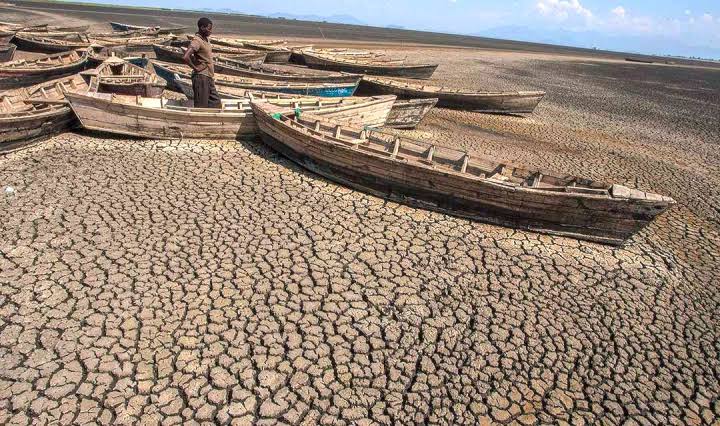
While Africa contributes only a small fraction of global greenhouse gas emissions, the continent experiences some of the most severe consequences of climate change. Rising temperatures, prolonged droughts, floods, desertification, and changing rainfall patterns continue to affect millions of people every year.
Despite these challenges, Africa is becoming an increasingly important player in global climate action. Across the continent, governments, communities, researchers, entrepreneurs, and young innovators are developing solutions that combine environmental protection with economic growth. Africa’s experience demonstrates that climate action is not only about reducing emissions but also about building resilient societies capable of adapting to changing environmental conditions.
Understanding Africa’s Climate Reality
Africa accounts for roughly 17% of the world’s population but contributes less than 4% of global carbon dioxide emissions. Yet many African countries rank among the most climate-vulnerable nations due to their dependence on agriculture, limited infrastructure, and exposure to extreme weather events.
Some of the continent’s major climate-related challenges include:
- Increasing droughts affecting food production
- Coastal erosion and rising sea levels
- Desert expansion in semi-arid regions
- Water shortages
- Flooding in rapidly growing cities
- Loss of biodiversity
- Declining agricultural productivity
These challenges threaten livelihoods, economic development, and food security across many regions.
Africa’s Renewable Energy Revolution
One of Africa’s greatest contributions to global climate action is its enormous renewable energy potential.
The continent possesses abundant sunshine, strong wind corridors, powerful rivers, and significant geothermal resources. These natural advantages provide opportunities to develop clean energy systems while expanding electricity access to millions of people.
Solar Energy
Many African countries receive some of the highest levels of solar radiation in the world. Large-scale solar farms and decentralized solar home systems are helping rural communities gain access to reliable electricity without relying on fossil fuels.
Solar energy is supporting:
- Rural electrification
- Schools and hospitals
- Agricultural irrigation
- Small businesses
- Household lighting
- Mobile charging services
Countries including Morocco, Egypt, Kenya, South Africa, and Namibia have invested heavily in solar infrastructure.
Wind Energy Expansion
Wind energy projects continue to grow across several African nations. Major wind farms generate clean electricity while reducing dependence on imported fossil fuels. Coastal regions and highland areas offer excellent conditions for wind power development.
These investments create employment opportunities while supporting national climate goals.
Geothermal Leadership
East Africa possesses significant geothermal resources. Countries such as Kenya have become global examples of how geothermal energy can provide stable, renewable electricity around the clock. Unlike solar and wind, geothermal energy is not dependent on weather conditions, making it an important part of clean energy diversification.
Conserving the World’s Carbon Sinks
Africa contains some of the world’s most valuable natural ecosystems. Its forests, wetlands, mangroves, peatlands, and savannahs store enormous amounts of carbon that would otherwise contribute to global warming.
The Congo Basin
The Congo Basin is the world’s second-largest tropical rainforest after the Amazon.
This vast forest:
- Absorbs millions of tonnes of carbon annually
- Regulates regional rainfall
- Supports biodiversity
- Protects indigenous communities
- Maintains freshwater systems
Protecting these forests is essential for achieving global climate targets.
Mangrove Restoration
African coastal nations are increasingly restoring mangrove forests.
Mangroves:
- Capture carbon efficiently
- Protect coastlines from storms
- Reduce erosion
- Support fisheries
- Improve biodiversity
Countries along the Indian Ocean and Atlantic coast are expanding restoration programs that benefit both local communities and the environment.
Climate-Smart Agriculture
Agriculture employs a large share of Africa’s workforce, making sustainable farming essential for climate resilience.
Climate-smart agricultural practices include:
- Efficient irrigation
- Drought-resistant crops
- Agroforestry
- Improved soil management
- Rainwater harvesting
- Crop diversification
These methods help farmers adapt to changing weather while reducing environmental impacts.
Nature-Based Solutions
Many African communities have long relied on traditional knowledge to manage natural resources sustainably.
Nature-based climate solutions include:
- Forest restoration
- Wetland conservation
- Sustainable grazing
- Watershed protection
- Community forestry
- Indigenous land management
These approaches protect ecosystems while improving livelihoods.
Green Entrepreneurship Across Africa
Young African entrepreneurs are developing innovative climate solutions in various sectors.
Emerging businesses focus on:
- Clean cooking technologies
- Waste recycling
- Electric mobility
- Sustainable packaging
- Green construction
- Water purification
- Renewable energy services
These enterprises create jobs while addressing environmental challenges.
Climate Finance and Investment
Although Africa requires substantial funding to implement climate adaptation and mitigation projects, international climate finance remains below estimated needs.
Investment priorities include:
- Renewable energy
- Water infrastructure
- Climate-resilient agriculture
- Disaster preparedness
- Coastal protection
- Sustainable transport
- Urban resilience
Greater public and private investment will help accelerate Africa’s green transition.
Urban Climate Action
Africa is urbanizing rapidly, creating opportunities to build sustainable cities from the ground up.
Many cities are investing in:
- Public transportation
- Green buildings
- Waste management
- Urban tree planting
- Flood control systems
- Renewable electricity
- Sustainable housing
Smart urban planning can reduce emissions while improving quality of life.
Protecting Biodiversity
Africa is home to extraordinary biodiversity found nowhere else on Earth.
Its ecosystems include:
- Tropical rainforests
- Savannas
- Mountains
- Deserts
- Coral reefs
- Wetlands
Protecting these natural habitats contributes to global climate stability while supporting tourism, agriculture, and local economies.
Youth Driving Climate Innovation
Africa has one of the world’s youngest populations.
Young people are leading climate action through:
- Environmental advocacy
- Green technology startups
- Community education
- Recycling initiatives
- Sustainable farming
- Research and innovation
Their energy and creativity position Africa as an important source of future climate solutions.
Regional Cooperation
African countries increasingly collaborate on environmental issues through regional partnerships.
Joint efforts include:
- Cross-border conservation
- Shared water management
- Renewable energy integration
- Climate research
- Disaster response
- Sustainable development planning
Regional cooperation strengthens resilience against climate-related challenges that cross national boundaries.
Africa’s Voice in International Climate Negotiations
African nations play an increasingly influential role in international climate discussions.
Their priorities often include:
- Climate justice
- Adaptation financing
- Loss and damage support
- Technology transfer
- Fair energy transitions
- Sustainable development
These discussions help ensure that countries most affected by climate change receive adequate support while contributing to global climate goals.
Challenges That Remain
Despite encouraging progress, several obstacles continue to slow climate action.
These include:
- Limited financing
- Infrastructure gaps
- Energy poverty
- Rapid population growth
- Weak institutional capacity in some regions
- Illegal deforestation
- Climate-related conflicts
- Limited access to advanced technologies
Addressing these challenges will require stronger partnerships between governments, businesses, development organizations, researchers, and local communities.
Opportunities for the Future
Africa’s climate future is filled with significant opportunities.
The continent can become a global leader in:
- Renewable energy production
- Green hydrogen development
- Sustainable agriculture
- Carbon markets
- Critical minerals for clean technologies
- Climate innovation
- Biodiversity conservation
- Circular economy solutions
By investing in sustainable development today, African countries can create millions of jobs while contributing to global climate stability.
Conclusion
Africa’s role in global climate action extends far beyond its relatively small contribution to greenhouse gas emissions. The continent is demonstrating that climate resilience, clean energy, ecosystem conservation, and sustainable development can go hand in hand. From vast renewable energy resources and carbon-rich forests to innovative entrepreneurs and climate-smart farming practices, Africa is offering practical solutions that benefit both its people and the world.
As international cooperation grows and investments increase, Africa has the potential to become one of the driving forces behind a more sustainable global future. Supporting African-led climate initiatives is not only an environmental necessity but also an investment in global economic resilience, food security, biodiversity, and long-term prosperity.




Leave a reply




Africa’s Source for Breaking News | Entertainments | Health | Finance | Sports | Lifestyle and Business News.


