
The Impact of Urbanization on African Communities
The Impact of Urbanization on African Communities
Urbanization is transforming Africa at an unprecedented pace.
Across the continent, millions of people are moving from rural areas to cities in search of better employment opportunities, improved education, healthcare, and higher living standards. As a result, African cities are expanding rapidly, creating both opportunities and challenges for communities. Understanding the impact of urbanization is essential for governments, businesses, and citizens seeking to build sustainable and inclusive urban environments.
Understanding Urbanization in Africa
Urbanization refers to the increasing concentration of people in towns and cities. Africa is currently one of the fastest-urbanizing regions in the world. Major cities such as Lagos, Nairobi, Johannesburg, and Cairo continue to attract large populations due to economic opportunities and improved infrastructure.
Several factors drive urbanization in Africa, including population growth, industrial development, modernization, climate-related challenges in rural areas, and the expansion of service-based economies.
Economic Benefits of Urbanization
Increased Employment Opportunities
One of the most significant benefits of urbanization is job creation. Cities often serve as centers for commerce, manufacturing, technology, transportation, and financial services. As businesses expand, they create employment opportunities for both skilled and unskilled workers.
Growth of Entrepreneurship
Urban centers provide fertile ground for entrepreneurship. Access to customers, suppliers, financial institutions, and digital technologies enables small businesses and startups to thrive. From food vendors and logistics services to technology companies, urban environments encourage innovation and economic growth.
Improved Access to Markets
Urbanization improves connectivity between producers and consumers. Farmers can access larger markets for their products, while businesses benefit from efficient transportation networks that facilitate trade and distribution.
Social Impact on Communities
Better Access to Education
Cities generally offer more educational opportunities than rural areas. Urban residents often have access to primary schools, secondary schools, vocational institutions, and universities. This contributes to skill development and increased economic mobility.
Improved Healthcare Services
Urban areas typically have more healthcare facilities, hospitals, clinics, and specialized medical services. This can lead to improved health outcomes and increased life expectancy among residents.
Cultural Diversity and Social Integration
African cities are melting pots of cultures, languages, and traditions. Urbanization promotes cultural exchange and creates opportunities for people from different backgrounds to interact, collaborate, and learn from one another.
Challenges of Rapid Urbanization
Housing Shortages
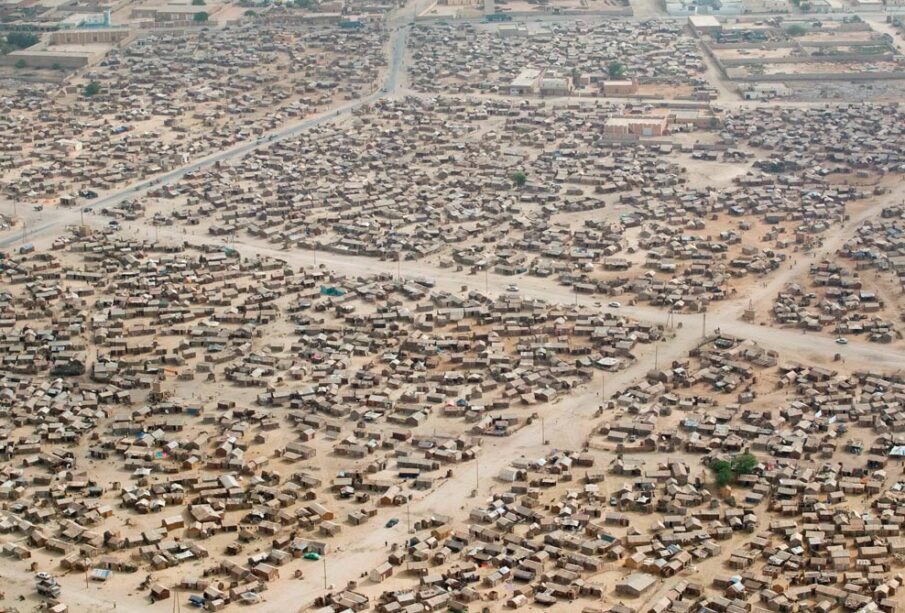
Rapid population growth often outpaces housing development. This can lead to overcrowding and the expansion of informal settlements where residents may lack access to basic services such as clean water, sanitation, and electricity.
Pressure on Infrastructure
As cities grow, transportation systems, roads, water supplies, and energy networks face increasing demand. In many African cities, infrastructure development struggles to keep pace with population growth.
Traffic Congestion
Heavy traffic has become a common problem in many urban centers. Long commuting times reduce productivity, increase fuel consumption, and contribute to air pollution.
Environmental Concerns
Urbanization can contribute to environmental degradation through increased waste generation, pollution, deforestation, and the loss of green spaces. Without effective urban planning, cities may face serious sustainability challenges.
Social Inequality
While cities create opportunities, they can also widen income disparities. Some residents benefit significantly from economic growth, while others struggle with unemployment, inadequate housing, and limited access to essential services.
Impact on Rural Communities
Urbanization affects not only cities but also rural areas. As young people migrate to urban centers, rural communities may experience labor shortages, particularly in agriculture. However, migration can also bring benefits through remittances sent back to families, helping support local economies and improve living standards.
The Role of Technology in Urban Development
Technology is playing a crucial role in managing urban growth across Africa. Smart transportation systems, digital payment platforms, e-government services, and mobile applications are helping cities become more efficient and responsive to residents’ needs.
Digital innovations are also improving access to education, healthcare, and financial services, contributing to more inclusive urban development.
Building Sustainable African Cities
To maximize the benefits of urbanization while minimizing its challenges, policymakers and stakeholders should focus on:
- Investing in affordable housing projects.
- Expanding transportation infrastructure.
- Improving access to clean water and sanitation.
- Supporting job creation and entrepreneurship.
- Promoting environmental sustainability.
- Encouraging community participation in urban planning.
- Leveraging technology to improve service delivery.
Sustainable urban development requires collaboration between governments, private-sector organizations, community groups, and citizens.
Conclusion
Urbanization is reshaping African communities in profound ways. It offers significant opportunities for economic growth, innovation, education, and improved living standards. At the same time, rapid urban expansion presents challenges related to housing, infrastructure, environmental sustainability, and social inequality. By adopting thoughtful planning strategies and investing in sustainable development, African nations can create vibrant cities that support prosperity and improve the quality of life for future generations.




Leave a reply




Africa’s Source for Breaking News | Entertainments | Health | Finance | Sports | Lifestyle and Business News.


