
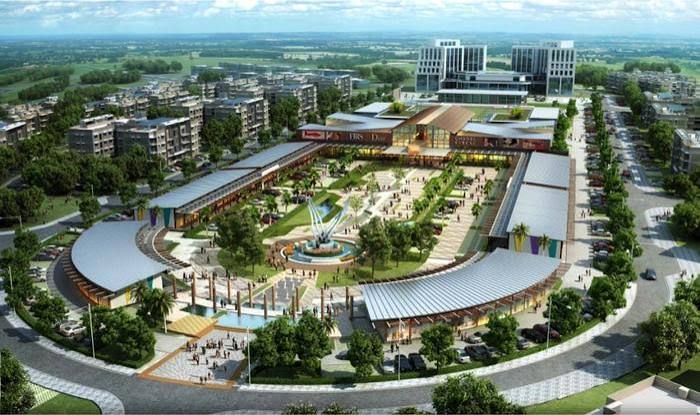
The Rise of Smart Cities in Africa
Africa is experiencing one of the fastest rates of urbanization in the world.
Every year, millions of people move from rural communities into cities in search of better employment opportunities, education, healthcare, and improved living conditions. While this rapid urban growth creates economic opportunities, it also places tremendous pressure on infrastructure, transportation, housing, waste management, and public services.
To address these challenges, many African countries are embracing the concept of smart cities. By combining technology, data, innovation, and sustainable planning, smart cities aim to improve the quality of life for residents while making urban areas more efficient, environmentally friendly, and economically competitive.
From high-tech business districts to digitally connected communities, Africa’s smart city movement is steadily transforming the continent’s urban landscape.
What Is a Smart City?
A smart city uses digital technologies and connected systems to improve how a city operates. Instead of relying solely on traditional infrastructure, smart cities integrate technology into transportation, utilities, governance, healthcare, education, security, and environmental management.
The primary goals of a smart city include:
- Improving public services
- Reducing traffic congestion
- Enhancing public safety
- Promoting environmental sustainability
- Encouraging economic growth
- Increasing government efficiency
- Improving residents’ quality of life
Technology serves as a tool that helps governments make better decisions using real-time data collected from various city systems.
Why Africa Needs Smart Cities
Africa’s urban population continues to grow rapidly. As cities expand, local governments face increasing demands for reliable infrastructure and efficient service delivery.
Several factors are driving smart city development across the continent.
Rapid Urbanization
Growing populations place pressure on roads, housing, electricity, sanitation, and healthcare facilities. Smart planning helps cities accommodate growth more effectively.
Traffic Congestion
Major African cities often experience heavy traffic, leading to lost productivity and increased fuel consumption. Intelligent traffic management systems can improve traffic flow.
Environmental Sustainability
Climate change and pollution require cities to adopt greener practices, including renewable energy, smart waste management, and efficient water usage.
Digital Transformation
The widespread adoption of smartphones and internet connectivity has created opportunities for governments to deliver services digitally.
Economic Development
Modern infrastructure attracts investors, technology companies, startups, and international businesses, creating employment opportunities.
Key Features of African Smart Cities
Digital Government Services
Governments are increasingly offering online platforms where citizens can:
- Pay taxes
- Apply for permits
- Register businesses
- Access healthcare information
- Request government services
Digital platforms reduce paperwork, improve transparency, and save time.
Smart Transportation
Technology is making transportation more efficient through:
- Intelligent traffic lights
- GPS-enabled public transport
- Ride-sharing services
- Digital ticketing
- Traffic monitoring systems
These innovations reduce travel time and improve mobility.
Renewable Energy Solutions
Many African smart cities invest in renewable energy sources such as:
- Solar power
- Wind energy
- Mini-grids
- Smart electricity meters
These technologies improve energy reliability while reducing environmental impact.
Smart Water Management
Water shortages remain a challenge in many urban areas. Smart sensors help monitor water distribution, detect leaks, and improve conservation efforts.
Intelligent Waste Management
Some cities use digital monitoring systems to optimize waste collection routes and improve recycling programs, making waste management more efficient.
Public Safety Technologies
Modern surveillance systems, emergency response centers, and digital communication tools help improve urban security and emergency response times.
Examples of Smart City Development in Africa
Konza Technopolis – Kenya
Often called Kenya’s “Silicon Savannah,” Konza Technopolis is designed to become a technology and innovation hub featuring smart infrastructure, research institutions, universities, and business parks.
Eko Atlantic – Nigeria
Built on reclaimed land along the Atlantic coast, Eko Atlantic incorporates modern urban planning, advanced drainage systems, reliable electricity infrastructure, and smart city technologies designed for sustainable development.
Kigali Innovation City – Rwanda
Rwanda continues investing in digital transformation through Kigali Innovation City, which brings together universities, technology companies, research centers, and entrepreneurs.
New Administrative Capital – Egypt
Egypt’s new administrative capital includes intelligent transportation systems, smart government services, renewable energy projects, and modern digital infrastructure.
The Role of Technology
Several emerging technologies are supporting Africa’s smart city transformation.
Internet of Things (IoT)
Connected devices collect data from roads, buildings, traffic lights, utilities, and public infrastructure to improve city management.
Artificial Intelligence (AI)
AI analyzes large amounts of data to predict traffic patterns, improve emergency response, optimize energy use, and enhance urban planning.
Big Data Analytics
Governments use data analytics to understand population growth, infrastructure demands, healthcare trends, and transportation needs.
Cloud Computing
Cloud technology enables governments and organizations to store and manage large volumes of information securely while improving collaboration.
5G Connectivity
Faster internet speeds enable smart devices to communicate more efficiently, supporting innovations in healthcare, education, and transportation.
Benefits of Smart Cities
Improved Quality of Life
Residents enjoy better transportation, healthcare, public services, security, and cleaner environments.
Economic Growth
Modern infrastructure attracts investors and encourages innovation, creating jobs and supporting entrepreneurship.
Better Environmental Management
Smart technologies help reduce pollution, conserve resources, and promote sustainable development.
Efficient Public Services
Governments can deliver services faster while reducing operational costs.
Enhanced Public Safety
Technology improves crime monitoring, emergency response, and disaster preparedness.
Challenges Facing Smart Cities in Africa
Despite significant progress, several obstacles remain.
High Development Costs
Building smart infrastructure requires substantial investment from governments and private investors.
Limited Digital Infrastructure
Some regions still lack reliable internet connectivity and electricity needed to support advanced technologies.
Cybersecurity Risks
As cities become more digitally connected, protecting systems from cyberattacks becomes increasingly important.
Skills Gap
Developing and maintaining smart city technologies requires skilled professionals in engineering, cybersecurity, software development, and data science.
Inclusive Development
Governments must ensure smart city projects benefit all residents rather than only affluent communities.
The Role of Public-Private Partnerships
Many successful smart city initiatives rely on collaboration between governments, private companies, universities, and international organizations.
These partnerships help:
- Finance infrastructure projects
- Introduce innovative technologies
- Build local technical expertise
- Support startup ecosystems
- Improve service delivery
Working together enables faster implementation of smart city solutions.
Opportunities for Entrepreneurs
The rise of smart cities creates numerous business opportunities across Africa.
Entrepreneurs can develop solutions in:
- Mobile applications
- Digital payment systems
- Smart transportation
- Renewable energy
- Waste recycling
- Smart agriculture
- Health technology
- Educational technology
- Cybersecurity
- Internet of Things devices
As urban populations continue to grow, demand for innovative services will also increase.
The Future of Smart Cities in Africa
The future of African cities is increasingly digital, connected, and sustainable. Governments are investing more in broadband infrastructure, renewable energy, digital governance, and innovation hubs. At the same time, startups and technology companies are developing local solutions tailored to African urban challenges.
While progress varies across countries, the momentum toward smarter urban development is unmistakable. With continued investment, effective policies, and inclusive planning, smart cities can help address pressing urban challenges while fostering economic growth and improving the daily lives of millions of Africans.
Conclusion
The rise of smart cities in Africa represents more than the adoption of new technologies, it reflects a broader commitment to building resilient, inclusive, and sustainable urban environments. By integrating digital innovation with thoughtful planning, African cities can improve transportation, energy management, healthcare, education, public safety, and government services.
Although challenges such as funding, infrastructure gaps, and cybersecurity remain, the opportunities far outweigh the obstacles. As governments, businesses, and communities continue to collaborate, smart cities have the potential to become powerful engines of economic development and social progress, positioning Africa as a leader in innovative urban transformation for generations to come.




Leave a reply




Africa’s Source for Breaking News | Entertainments | Health | Finance | Sports | Lifestyle and Business News.


