
The Story Behind Popular African Dishes
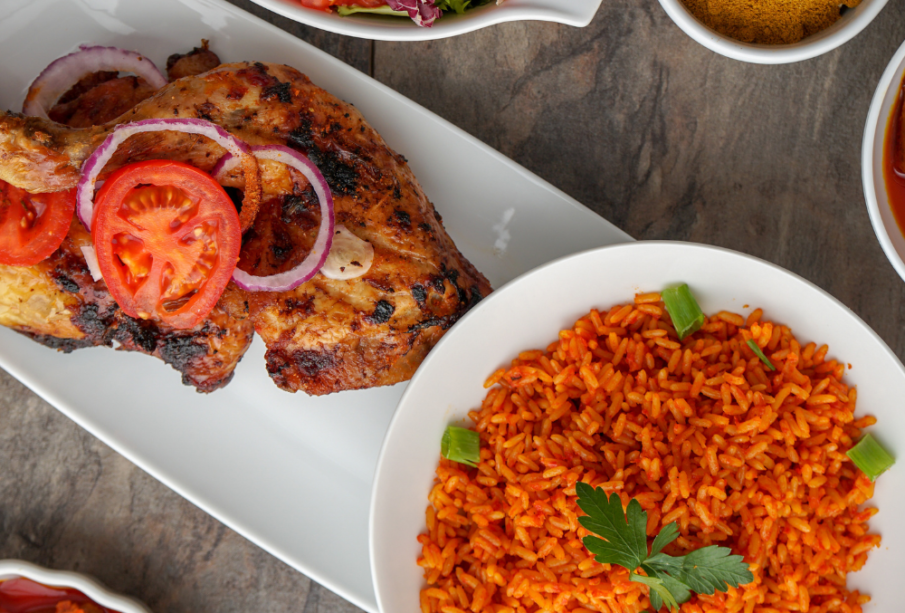
The Story Behind Popular African Dishes
Africa is a continent rich in culture, history, and culinary diversity.
From the bustling streets of Lagos to the spice-filled markets of Marrakech and the vibrant kitchens of Nairobi, every region has unique dishes that tell stories of tradition, migration, trade, and community. African cuisine is more than nourishment, it is a reflection of identity, heritage, and centuries of cultural evolution.
Many of today’s popular African dishes have fascinating origins rooted in indigenous farming, colonial influence, trade routes, and local customs. Some recipes have been passed down through generations, while others have evolved by blending local ingredients with foreign cooking techniques.
Let’s explore the stories behind some of Africa’s most beloved dishes.
1. Jollof Rice (West Africa)
Few dishes inspire as much passion and friendly rivalry as Jollof Rice. Popular across Nigeria, Ghana, Senegal, Sierra Leone, Gambia, and several other West African countries, Jollof Rice is often served during weddings, birthdays, festivals, and family celebrations.
Its origins are believed to trace back to the ancient Wolof Empire, which covered parts of present-day Senegal and The Gambia. The original dish, known as “Ceebu Jën” or “Thieboudienne,” combined rice, fish, vegetables, and tomatoes.
As trade expanded across West Africa, the recipe evolved differently in each country. Today, every nation proudly claims its own version as the best, leading to the famous “Jollof Wars.”
Despite the debates, Jollof Rice remains a symbol of celebration, hospitality, and West African unity.
2. Injera (Ethiopia and Eritrea)
Injera is a large, soft, spongy flatbread that serves as both food and utensil in Ethiopian and Eritrean cuisine.
Made primarily from teff, a tiny grain native to the Horn of Africa, Injera has been prepared for thousands of years. The batter is naturally fermented for several days, giving the bread its slightly sour taste.
Meals are traditionally shared from one large plate, with family members tearing pieces of Injera to scoop up stews and vegetables. This communal style of eating represents togetherness, respect, and family unity.
Injera remains one of Africa’s oldest continuously prepared traditional foods.
3. Fufu (West and Central Africa)
Fufu is one of Africa’s most recognizable staple foods. It is commonly enjoyed in Nigeria, Ghana, Cameroon, Côte d’Ivoire, and several Central African countries.
Originally, fufu was prepared using yams before cassava became widespread through Portuguese trade during the 16th century. Today, many variations exist, including cassava fufu, yam fufu, plantain fufu, and cocoyam fufu.
The dish is typically served with soups such as egusi, okra, vegetable, or light soup.
Preparing fufu traditionally requires pounding boiled ingredients with a large wooden mortar and pestle, a process that often brings families together.
4. Bunny Chow (South Africa)
Despite its name, Bunny Chow contains no rabbit.
The dish originated in Durban among South Africa’s Indian community during the apartheid era. Workers needed a portable meal that could be easily carried to work.
Restaurants began serving curry inside hollowed-out loaves of bread, creating an inexpensive, filling, and convenient meal.
Today, Bunny Chow has become one of South Africa’s most iconic street foods, enjoyed by people from all backgrounds.
5. Couscous (North Africa)
Couscous has been a staple in North Africa for centuries, especially in Morocco, Algeria, Tunisia, and Libya.
Made from tiny steamed granules of semolina wheat, couscous is believed to have originated among the Berber people more than a thousand years ago.
Traditionally, families prepare couscous every Friday after prayers, serving it with vegetables, lamb, chicken, or fish.
Beyond being a meal, couscous symbolizes hospitality, blessings, and family gatherings.
6. Nyama Choma (East Africa)
Nyama Choma, meaning “roasted meat” in Swahili, is one of East Africa’s favorite social meals.
Popular in Kenya and Tanzania, it usually consists of grilled goat or beef served with kachumbari (fresh tomato and onion salad) and ugali.
Rather than being reserved for special occasions, Nyama Choma represents friendship and celebration. People often gather at local grills to spend hours eating, talking, and enjoying each other’s company.
Its simplicity highlights the importance of quality meat and communal dining.
7. Pounded Yam (Nigeria)
Pounded Yam is a cherished dish among many Nigerian communities, particularly in the southwest.
Prepared by pounding boiled yam until smooth and stretchy, it pairs perfectly with soups like egusi, ogbono, or vegetable soup.
Traditionally, preparing pounded yam required strength and teamwork, with one person pounding while another turned the yam.
Although modern machines have simplified the process, the dish continues to symbolize celebration, hospitality, and family tradition.
8. Bobotie (South Africa)
Bobotie is often considered South Africa’s national dish.
It features seasoned minced meat baked beneath a layer of egg custard and is usually served with yellow rice and chutney.
The recipe reflects centuries of cultural exchange involving Dutch settlers, enslaved people from Southeast Asia, and indigenous communities.
The blend of sweet and savory flavors showcases South Africa’s multicultural culinary heritage.
9. Thieboudienne (Senegal)
Known as the national dish of Senegal, Thieboudienne consists of fish, rice, vegetables, and tomato sauce.
The meal was created in the 19th century in the coastal city of Saint-Louis and has become a source of national pride.
Its popularity spread throughout West Africa and significantly influenced the development of Jollof Rice.
Today, many families prepare Thieboudienne during weekends and festive occasions.
10. Ugali (East Africa)
Ugali is a simple but essential staple across Kenya, Tanzania, Uganda, and neighboring countries.
Made from maize flour and water, it forms a thick dough served alongside vegetables, meat, or fish.
Introduced after maize arrived in Africa through international trade, Ugali gradually replaced some traditional grains due to its affordability and ease of cultivation.
For millions of families, Ugali remains an everyday source of nourishment.
The Role of Food in African Culture
Across Africa, meals represent much more than eating. They strengthen relationships, preserve traditions, and celebrate life’s milestones.
Many communities continue to prepare dishes using methods passed down through generations. Whether pounding fufu, slow-cooking stews, grilling meat over charcoal, or sharing food from a communal plate, cooking remains an important expression of love and hospitality.
Food also tells stories of migration, trade, resilience, and cultural exchange. Ingredients introduced centuries ago, such as tomatoes, cassava, and maize, have become central to many African cuisines, blending seamlessly with indigenous traditions.
How African Cuisine Continues to Evolve
Modern African chefs are reinventing traditional dishes while honoring their roots. Restaurants across Africa and around the world now serve contemporary versions of classic meals using innovative presentation and locally sourced ingredients.
Social media, food festivals, and international culinary events have also introduced African cuisine to a global audience. As more people discover these flavors, appreciation for the continent’s rich culinary heritage continues to grow.
Conclusion
Every popular African dish carries a unique story shaped by history, geography, culture, and the people who have preserved it through generations. Whether it is the communal tradition of sharing Injera, the festive spirit surrounding Jollof Rice, or the centuries-old heritage of Couscous, these meals reflect Africa’s incredible diversity and resilience.
Exploring African cuisine is not only a culinary adventure but also a journey through the continent’s rich history and vibrant cultures. Each bite offers a deeper understanding of the traditions, values, and communities that make Africa one of the world’s most fascinating culinary destinations.




Leave a reply







Africa’s Source for Breaking News | Entertainments | Health | Finance | Sports | Lifestyle and Business News.


