
The Science Behind Africa’s Biodiversity
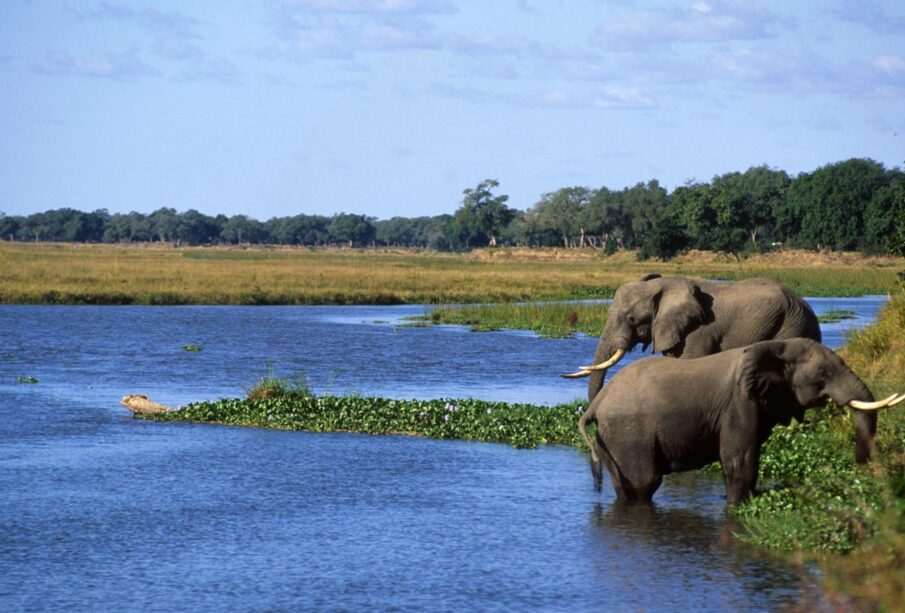
elephants, Zambezi River Elephants on Zambezi River
Africa is home to some of the world’s most remarkable plants, animals and ecosystems.
From the vast savannas of East Africa to the tropical rainforests of Central Africa, the continent supports an extraordinary variety of life. Elephants travel across grasslands, chimpanzees navigate forest canopies, and colourful birds occupy habitats ranging from wetlands to mountain slopes.
However, Africa’s biodiversity involves much more than the number of species found within its borders. Scientists study how these organisms evolved, adapted to different environments and developed relationships that help ecosystems function.
Climate, geology, geography and millions of years of evolutionary change have all contributed to the continent’s biological richness. Understanding these processes also helps explain why biodiversity matters for agriculture, public health, economic development and climate resilience.
So, what scientific processes make Africa so biologically diverse, and why should this diversity matter to the continent’s future?
1. Africa’s Geological History Shaped Its Biodiversity
The story of African biodiversity begins with the continent’s geological history.
Over millions of years, movements in Earth’s crust, volcanic activity and changing sea levels reshaped the African landscape. These processes created mountains, valleys, plateaus, lakes and river systems that now support different forms of life.
One important example is the East African Rift System. This extensive geological region stretches through parts of eastern Africa, where tectonic forces gradually pull sections of Earth’s crust apart. Volcanic activity and changes in elevation have created varied landscapes, including highlands, deep valleys and large lakes.
These geographical changes can separate animal and plant populations. When populations remain isolated for long periods, they may develop different characteristics through natural selection, genetic drift and other evolutionary processes. Over many generations, such differences can contribute to the emergence of new species.
Africa’s Great Lakes also demonstrate this process. Lakes such as Lake Malawi and Lake Tanganyika contain remarkable diversity among cichlid fishes. Researchers study these fish to understand how new species evolve and adapt to different food sources, habitats and ecological conditions.
Therefore, Africa’s geological history has helped create the varied environments that encourage biological diversification.
2. Climate Creates Different Habitats Across the Continent
Climate is another major factor behind Africa’s biodiversity. Temperature, rainfall, sunlight and seasonal changes determine which organisms can survive in particular environments.
Africa contains several broad ecological regions, each with different conditions.
Tropical rainforests
The Congo Basin contains one of the world’s largest tropical rainforest regions. Warm temperatures and substantial rainfall support dense vegetation, numerous insects, birds, mammals, fungi and other organisms.
The forest canopy creates different layers of habitat. Some animals live high among the branches, while others occupy the understory or forest floor. This vertical structure allows many species to share the same forest while using different resources.
Savannas and grasslands
East and southern Africa contain extensive savannas, where grasses grow alongside scattered trees and shrubs. Seasonal rainfall, grazing and periodic fires help shape these ecosystems.
Large herbivores such as zebras, wildebeest and elephants influence vegetation through feeding and movement. Predators, including lions and hyenas, interact with these herbivores, contributing to complex food webs.
Deserts and drylands
The Sahara and Namib deserts present very different environmental challenges. Water scarcity, temperature extremes and limited vegetation place strong demands on the organisms that live there.
Some desert plants reduce water loss through specialised leaf structures or extensive root systems. Certain animals avoid the hottest periods of the day, while others obtain much of their moisture from food.
Wetlands and freshwater ecosystems
The Okavango Delta in Botswana illustrates how water can support extraordinary biological activity in a dry region. Seasonal floodwaters create channels, lagoons and grasslands that provide food and shelter for many species.
Together, these ecosystems demonstrate how climate shapes the distribution, behaviour and survival of living organisms.
3. Evolution Explains How African Species Adapt
Evolution is one of the central scientific explanations for Africa’s biological diversity.
Through natural selection, inherited characteristics that improve survival or reproduction under particular conditions can become more common in a population over generations. Mutation, genetic recombination, migration and genetic drift also contribute to evolutionary change.
African wildlife provides several useful examples.
Giraffes have long necks that help them reach foliage high above the ground. Their feeding behaviour allows them to use food resources that many shorter herbivores cannot easily access.
African elephants possess trunks that function as flexible tools for breathing, smelling, drinking, gathering food and communicating through touch.
Meanwhile, the fennec fox of North Africa has large ears that help it release body heat. Its behaviour and other physiological adaptations also help it cope with desert conditions.
These characteristics did not appear because individual animals deliberately changed their bodies to meet a need. Instead, evolutionary processes operating across many generations shaped traits that influence survival and reproduction.
Scientists use genetics, fossils, anatomical comparisons and field observations to investigate how these adaptations developed.
4. Biodiversity Depends on Complex Ecological Relationships
An ecosystem is not simply a collection of unrelated organisms. Species interact through food chains, competition, pollination, seed dispersal, decomposition and other ecological processes.
These relationships help ecosystems function.
For example, many African plants depend on insects, birds and mammals for pollination. Bees collect nectar and pollen, while some birds and bats transfer pollen between flowers as they feed.
Seed dispersal is equally important. Animals may eat fruits and deposit seeds in different locations, allowing plants to spread beyond the areas where they originally grew.
Decomposers, including fungi and bacteria, break down dead organisms and organic waste. This process returns nutrients to the soil, where plants can absorb them again.
Predators also influence ecosystem dynamics. By affecting the abundance and behaviour of prey species, they can indirectly influence vegetation and other organisms.
These interactions mean that losing one species can sometimes affect many others. The consequences depend on the species involved, its ecological role and the structure of the surrounding ecosystem.
Protecting biodiversity therefore involves preserving ecological relationships, not merely keeping individual animals alive.
5. Africa’s Biodiversity Supports Human Life
Biodiversity has direct connections to the everyday lives of African communities.
Agriculture and food security
Farmers depend on biological diversity for crop pollination, soil fertility and natural pest control. Genetic diversity in crops and livestock also provides resources for developing varieties that can withstand drought, disease and changing temperatures.
Indigenous crops and locally adapted livestock breeds can be particularly valuable in environments where rainfall is unpredictable.
Medicine and scientific research
Plants, fungi and microorganisms produce a wide range of chemical compounds. Scientists investigate these compounds to understand their biological effects and potential applications in medicine.
Traditional knowledge has also guided research into many useful plants. However, a plant’s traditional use does not automatically establish its safety or effectiveness; scientific testing remains essential.
Protecting natural habitats helps preserve organisms that researchers have not yet studied fully.
Water and soil protection
Forests, wetlands and other ecosystems influence water movement, nutrient cycling and soil stability. Vegetation can reduce erosion, while wetlands can store water and support natural water filtration processes.
Healthy ecosystems can also help communities manage certain environmental risks, although their protective effects vary by location and conditions.
Employment and tourism
Wildlife tourism, fisheries, forestry and nature-based enterprises provide livelihoods in different parts of Africa. Protected landscapes can attract visitors and support local businesses when tourism is managed responsibly.
However, economic benefits depend on factors such as local participation, fair revenue distribution and the protection of natural resources.
6. Why Africa’s Biodiversity Faces Increasing Pressure
Despite its ecological richness, Africa’s biodiversity faces several interconnected threats.
Habitat loss occurs when forests, wetlands and grasslands are cleared or altered for agriculture, settlements, mining, roads and other developments. Fragmented habitats can isolate populations and restrict the movement of animals.
Climate change adds further pressure. Changes in rainfall, rising temperatures and more frequent or intense extreme weather events can alter habitats and disrupt seasonal patterns. Species with limited ranges or specialised environmental requirements may struggle to adapt.
Illegal wildlife trade and overexploitation also threaten certain animals and plants. Hunting, unsustainable fishing and the collection of valuable species can reduce populations faster than they recover.
Invasive alien species create additional challenges. When introduced organisms spread rapidly and disrupt native ecosystems, they may compete with local species, alter habitats or introduce diseases.
Pollution, including plastic waste and agricultural runoff, can damage freshwater and coastal environments.
These pressures rarely operate in isolation. A species already affected by habitat loss may become even more vulnerable when drought, disease or illegal hunting adds to the pressure.
7. How Science Helps Protect African Biodiversity
Modern science gives conservationists new ways to study and protect ecosystems. Satellite imagery allows researchers to monitor deforestation, land-use changes and habitat fragmentation across large areas. Camera traps help scientists record wildlife without needing to observe animals directly at all times.
DNA analysis can reveal relationships between populations, identify illegally traded wildlife products and help researchers estimate genetic diversity. Environmental DNA, collected from sources such as water or soil, can also reveal the presence of organisms through traces of genetic material.
Artificial intelligence can help researchers analyse camera-trap images, acoustic recordings and satellite data more efficiently. However, these systems still require reliable data and scientific oversight.
Field research remains essential. Scientists work with local communities, park authorities and conservation organisations to study species, identify threats and evaluate conservation strategies.
Community-led conservation can be especially important because people who live near forests, wetlands and wildlife habitats often possess detailed knowledge of local ecosystems. Their participation can also help conservation programmes account for livelihoods, land rights and cultural values.
Combining scientific research with local knowledge creates opportunities for more informed and practical conservation decisions.
Conclusion
The science behind Africa’s biodiversity reveals a continent shaped by geological change, climate variation, evolution and intricate ecological relationships. These processes have produced diverse habitats and remarkable organisms, from rainforest primates and savanna herbivores to desert-adapted plants and freshwater fish.
This biological richness supports food production, water systems, scientific research, livelihoods and tourism. Yet habitat destruction, climate change, pollution and unsustainable exploitation threaten many ecosystems.
Protecting Africa’s biodiversity requires more than preserving famous wildlife species. It involves maintaining habitats, supporting scientific research, reducing environmental pressures and including local communities in conservation decisions.
Ultimately, biodiversity is both a record of millions of years of evolutionary history and a living foundation for the continent’s future. Understanding the science behind it can help African countries and communities make better-informed decisions about how to use, manage and protect their natural resources.



Leave a reply





Africa’s Source for Breaking News | Entertainments | Health | Finance | Sports | Lifestyle and Business News.


