
Traditional African Foods Becoming Global Brands
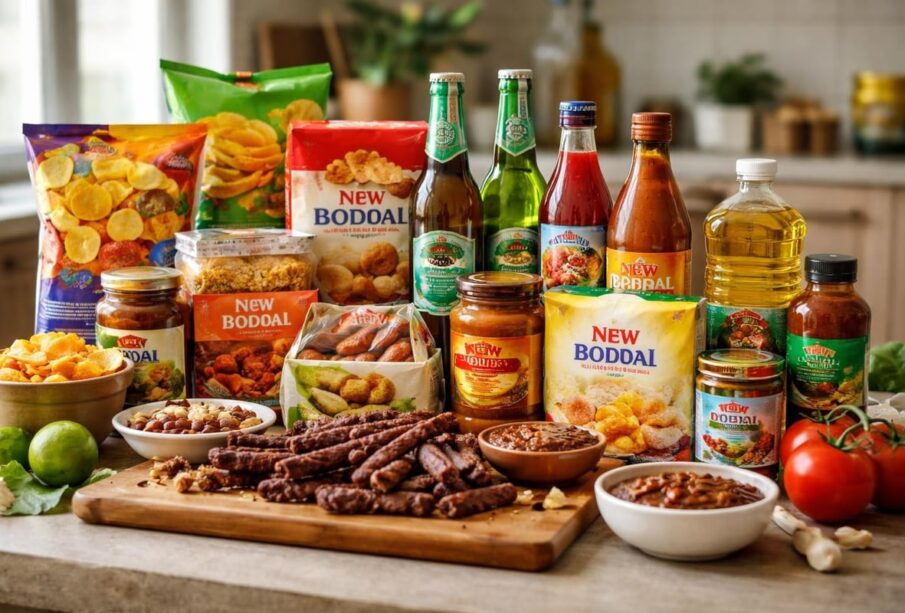
Traditional African Foods Becoming Global Brands
African cuisine is gaining greater visibility around the world.
Foods that were once mainly prepared in homes, local markets, and community celebrations are increasingly appearing on international restaurant menus, supermarket shelves, food blogs, and social media platforms.
From Nigerian jollof rice and suya to Ethiopian injera, Ghanaian waakye, Moroccan couscous, South African rooibos, and West African fonio, traditional African foods are attracting consumers far beyond the continent.
This growing interest presents an important opportunity. African food entrepreneurs can transform traditional dishes and ingredients into recognizable global brands while preserving the culture and stories behind them.
Why African Foods Are Attracting Global Attention
One reason for the growing popularity of African foods is increased global interest in diverse culinary experiences. Consumers are becoming more curious about foods from different cultures and are looking beyond familiar international cuisines.
The African diaspora has also played an important role. Africans living in Europe, North America, Asia, and other regions have introduced traditional foods to new communities through restaurants, catering businesses, food festivals, and packaged products.
Social media has accelerated this process. Videos showing the preparation of jollof rice, egusi soup, injera, puff-puff, plantain dishes, and other African foods can reach millions of people within a short period.
Travel has contributed as well. Visitors to African countries often discover local dishes and ingredients during their trips. Some take these experiences home and develop an interest in recreating them.
From Local Ingredient to Global Product
A traditional food does not necessarily have to be exported as a finished meal to become a global brand.
Ingredients can be transformed into packaged and internationally marketable products. Fonio, for example, has attracted international attention as an ancient West African grain. Hibiscus can be developed into teas and beverages, while baobab fruit can be used in drinks, snacks, and other food products.
Spices also provide opportunities. African spice blends can be packaged for international consumers who want to recreate traditional dishes at home.
This approach gives entrepreneurs several ways to build businesses around African food heritage.
Instead of selling only a plate of food, a company can create a product that consumers can purchase repeatedly, share with others, and find in different markets.
African Foods and the Power of Storytelling
Food is more than something people eat. It carries history, identity, family traditions, and cultural memories. This makes storytelling an important part of building global African food brands.
A company selling a traditional ingredient can explain where it comes from, how communities traditionally use it, and why it remains important today. This gives consumers a deeper connection with the product.
For example, a packaged African spice can communicate its regional origin and traditional uses. A snack company can explain the cultural inspiration behind its recipes. A beverage brand can connect its ingredients to traditional celebrations.
Authentic storytelling can make African food products more memorable while helping consumers understand the culture behind them.
Packaging Can Change Perception
Packaging plays a major role when traditional African foods enter international markets.
A product may have an excellent recipe, but consumers also judge its presentation. Clear labeling, attractive design, nutritional information, preparation instructions, and appropriate packaging can make unfamiliar products easier to understand.
Modern packaging does not have to erase African identity.
Instead, brands can combine contemporary design with African patterns, colors, illustrations, names, and storytelling. The goal is to communicate quality while maintaining a clear connection to the product’s origins.
Good packaging can also address practical concerns such as shelf life, transportation, storage, and product protection.
Restaurants Are Helping African Cuisine Go Global
African restaurants are important ambassadors for the continent’s food culture. Restaurants in cities such as London, New York, Toronto, Paris, Johannesburg, Lagos, Nairobi, and Accra are introducing customers to traditional African dishes in new settings.
Some restaurants remain highly traditional, while others adapt presentation and dining experiences for international audiences.
This does not necessarily mean abandoning tradition. Instead, chefs can introduce unfamiliar dishes gradually while maintaining their essential flavors and cultural identity.
Successful restaurants can also become platforms for packaged sauces, spice blends, snacks, beverages, and other products.
The Rise of African Food Entrepreneurs
African entrepreneurs are finding creative ways to commercialize traditional foods.
Some are producing packaged versions of familiar ingredients. Others are creating modern snacks inspired by traditional recipes. There are also businesses specializing in African sauces, seasonings, grains, beverages, confectionery, and ready-to-cook meals.
Digital commerce has made this easier.
A small food company can promote its products through social media, sell through an online store, and reach customers outside its immediate community. This reduces some of the traditional barriers between local producers and international consumers.
However, international expansion still requires careful attention to regulations, food safety, labeling requirements, logistics, and quality control.
Preserving Tradition While Encouraging Innovation
Globalization can create opportunities, but it also raises questions about cultural preservation. When traditional African foods are commercialized, businesses need to consider how recipes, ingredients, names, and cultural practices are represented.
Innovation should not automatically mean removing the identity of a food.
African entrepreneurs can experiment with formats while retaining important elements of the original product. For example, a traditional grain can become a convenient packaged meal, while its cultural history remains part of the brand story.
This balance allows food traditions to evolve without becoming disconnected from their origins.
The Role of African Farmers and Local Producers
The growth of African food brands can also create opportunities for farmers and local producers.
When demand for indigenous crops and ingredients increases, producers may gain access to new markets. This can encourage investment in agricultural value chains, processing facilities, storage, packaging, and distribution.
However, growth should benefit more than the final brand owner.
Building strong relationships with farmers and suppliers can create more sustainable food businesses. Fair purchasing arrangements, consistent demand, training, and investment in local processing can help strengthen the wider food ecosystem.
African Food Can Become a Major Export Opportunity
Africa has a large variety of indigenous crops, traditional recipes, and regional food cultures that remain relatively unknown to international consumers.
This creates room for innovation.
Entrepreneurs can identify foods with strong cultural identities and explore how they can be packaged, processed, distributed, and introduced to new audiences.
The opportunity extends beyond individual dishes. It includes ingredients, cooking products, snacks, beverages, sauces, spices, frozen foods, ready-to-eat meals, and food experiences.
With the right investment, African food businesses can participate more actively in global food markets.
What African Food Brands Need to Succeed
Global growth requires more than having a traditional recipe. Brands need consistent quality, reliable supply chains, professional packaging, food safety systems, strong marketing, and a clear understanding of their target customers.
They also need to understand the markets they want to enter.
A product designed for consumers in Nigeria may require different packaging, portion sizes, instructions, or marketing when introduced to customers in Europe or North America.
Building a global brand therefore requires both cultural authenticity and commercial discipline.
A New Chapter for African Cuisine
The growing international interest in African food represents more than a culinary trend. It can become an opportunity for entrepreneurship, agriculture, tourism, manufacturing, and cultural exchange.
Traditional foods have the potential to move from family kitchens and local markets into supermarkets, restaurants, hotels, online stores, and international food festivals.
The challenge is to ensure that this growth remains connected to African communities and traditions.
African entrepreneurs have an opportunity to show the world that the continent’s food heritage is not only something to preserve. It is also a source of creativity, innovation, employment, and global business.
As consumers continue exploring new flavors, traditional African foods may increasingly find a place on tables around the world—bringing with them the stories, ingredients, and traditions of the communities that created them.




Leave a reply




Africa’s Source for Breaking News | Entertainments | Health | Finance | Sports | Lifestyle and Business News.


