
Traditional African Spices and Their Uses
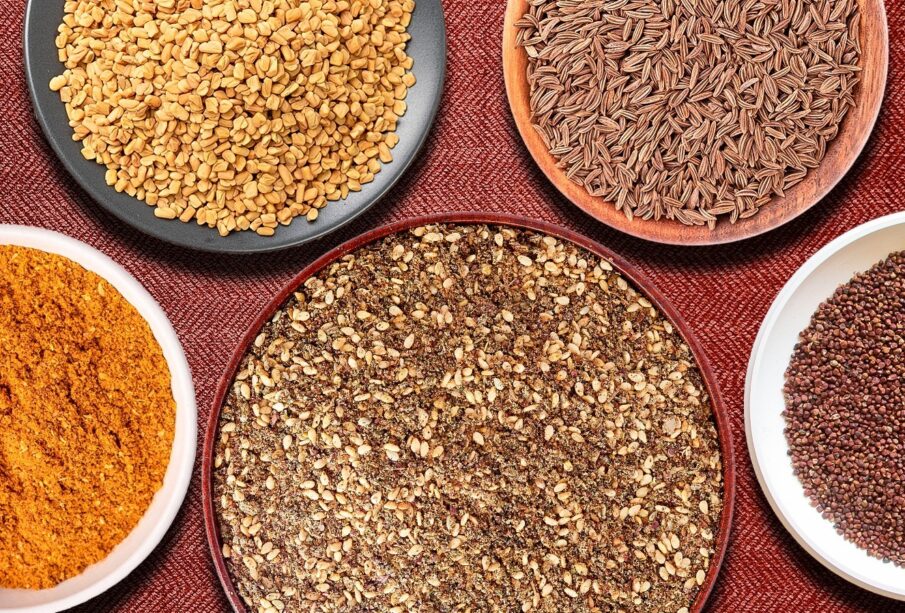
Traditional African Spices and Their Uses
African cuisine is famous for bold flavors, rich aromas, and distinctive ingredients.
Across the continent, cooks use traditional spices to add heat, depth, fragrance, and character to everyday meals. Moreover, many of these spices carry cultural importance and connect modern cooking with generations of culinary knowledge.
From West African pepper varieties to East African spice blends, traditional African spices can transform simple ingredients into flavorful meals. Here are some popular African spices and the ways cooks use them.
Grains of Selim
Grains of Selim, also known as hwentia in parts of West Africa, have a smoky, aromatic, and slightly peppery flavor. Cooks often add the spice to soups, stews, sauces, and meat dishes.
In addition, grains of Selim can provide depth without creating excessive heat. Their distinctive aroma makes them useful in traditional spice blends and modern African-inspired recipes.
African Bird’s Eye Chili
African bird’s eye chili adds intense heat to many African dishes. Cooks can use the small peppers fresh, dried, or ground into powder.
For example, people add them to pepper sauces, soups, stews, marinades, and grilled meats. As a result, even a small amount can give a dish a powerful spicy kick.
Alligator Pepper
Alligator pepper has a warm, spicy, and slightly bitter flavor. West African cooks commonly use its seeds in soups, stews, sauces, and traditional spice mixtures.
Beyond the kitchen, alligator pepper also holds cultural significance in several African communities. People may use it during traditional ceremonies, social gatherings, and hospitality rituals.
African Nutmeg
African nutmeg, sometimes called calabash nutmeg, provides a warm and aromatic flavor. Cooks use it to season soups, sauces, meat dishes, and some baked foods.
Furthermore, its strong aroma allows cooks to create richer flavors without relying entirely on hot peppers. It works especially well in dishes that require a warm and slightly sweet spice profile.
Negro Pepper
Negro pepper offers a sharp, aromatic flavor that works well in traditional soups and stews. Cooks can combine it with other African spices to create complex seasoning blends.
Similarly, the spice works well in meat and fish dishes because it adds a noticeable peppery flavor without overwhelming the other ingredients.
Uziza
Uziza plays an important role in Nigerian cooking. Both the leaves and seeds provide a distinctive peppery flavor, although the seeds usually taste stronger.
Cooks commonly add uziza leaves to soups and stews containing meat, fish, vegetables, or other ingredients. Meanwhile, the seeds can add extra heat and aroma to recipes that need a stronger flavor.
Ethiopian Berbere
Berbere stands among the most recognizable spice blends in Ethiopian and Eritrean cuisine. The blend usually combines chili peppers with spices such as coriander, cumin, fenugreek, cardamom, and other seasonings.
As a result, berbere delivers both heat and complexity. Ethiopian cooks use it in stews such as doro wat, as well as lentil, vegetable, and meat dishes.
African Ginger
Ginger features prominently in many African cuisines. Cooks use it fresh, dried, or ground, depending on the recipe.
They add ginger to stews, sauces, marinades, drinks, and baked foods. In particular, its warm and slightly spicy flavor complements meat, fish, vegetables, and fruit-based beverages.
African Spice Blends
African cooks often combine several spices instead of relying on one ingredient. For instance, a spice mixture may include chili, ginger, pepper, coriander, or aromatic seeds.
These combinations allow cooks to develop complex flavors while maintaining the identity of traditional dishes. Therefore, learning about African spice blends can help home cooks understand the foundations of different regional cuisines.
Why Traditional African Spices Matter
Traditional African spices do much more than improve the taste of food. They preserve culinary knowledge and connect modern generations with the cooking traditions of their communities.
Additionally, spices can reflect the history and geography of African cuisine. Different regions developed unique combinations based on locally available plants, trade routes, cultural exchanges, and cooking traditions.
Today, chefs and home cooks continue to experiment with these ingredients. They use traditional spices in classic recipes while also incorporating them into marinades, sauces, grilled foods, snacks, beverages, and contemporary fusion dishes.
Bringing African Spices Into Modern Cooking
You do not need to prepare a traditional African meal to enjoy these spices. Instead, you can introduce them gradually into familiar recipes.
Try adding African bird’s eye chili to a homemade sauce, using grains of Selim in a stew, or experimenting with berbere in roasted vegetables. Similarly, ginger and African nutmeg can add warmth to drinks, marinades, and baked dishes.
Most importantly, start with small quantities and adjust the seasoning according to your taste. Each spice has its own intensity, so experimenting gradually can help you discover the combinations you enjoy most.
A Rich World of African Flavor
Traditional African spices offer a fascinating combination of flavor, culture, and history. From the heat of African bird’s eye chili to the smoky character of grains of Selim and the complexity of Ethiopian berbere, these ingredients give African cuisine its remarkable diversity.
Ultimately, exploring these spices provides more than a way to improve your cooking. It also creates an opportunity to discover the culinary traditions, creativity, and cultural heritage found across Africa.




Leave a reply






Africa’s Source for Breaking News | Entertainments | Health | Finance | Sports | Lifestyle and Business News.


