
Sports Development Programs Creating Opportunities
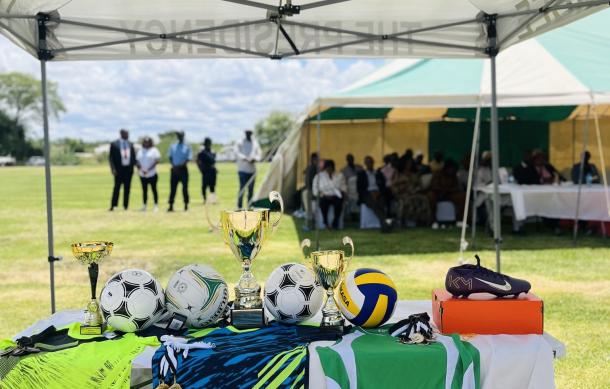
Sports Development Programs Creating Opportunities
Sports have always been an important part of African culture, bringing communities together through competition, entertainment and shared pride.
Today, however, sports are becoming much more than a source of recreation. Across the continent, sports development programs are creating opportunities for young people to build careers, gain education, develop valuable life skills and participate in the growing sports economy.
From football and basketball to athletics, boxing, swimming and emerging sports, structured development programs are helping talented young people move from informal community competitions toward professional and sustainable careers. With the right investment, these initiatives can become powerful tools for youth development and economic growth.
Discovering Young Talent
One of the most important roles of sports development programs is identifying talented athletes who may otherwise remain unnoticed.
Many young Africans grow up playing sports in schools, streets and local communities without access to professional coaching or modern facilities. A young footballer may have exceptional ability but lack the opportunity to meet a qualified coach or participate in a competitive tournament. Similarly, a talented runner may never receive proper training because of limited resources.
Sports academies, school competitions, community leagues and talent identification programs can help bridge this gap. By providing structured training and competitive opportunities, these programs can identify promising athletes and give them the support needed to improve.
This creates a clearer pathway from grassroots participation to professional sports.
Supporting Education Through Sports
Sports development can also create educational opportunities. For many young people, combining athletics with education can provide access to scholarships, schools and universities.
Well-designed programs can encourage young athletes to remain focused on their studies while developing their sporting abilities. This is particularly important because not every athlete will eventually become a professional.
Education gives young people an alternative pathway if their sporting careers do not develop as expected. It can also prepare athletes for careers in coaching, sports administration, journalism, fitness, business and other areas of the industry.
The combination of education and sports therefore gives young people a stronger foundation for the future.
Building Valuable Life Skills
The benefits of sports extend far beyond physical fitness. Regular participation can help young people develop discipline, teamwork, patience, confidence and resilience.
Athletes learn how to train consistently, follow instructions, manage their time and work toward long-term goals. Team sports can also teach communication and cooperation, while individual sports can strengthen independence and personal responsibility.
Learning how to deal with defeat is equally valuable. Young athletes discover that setbacks are part of improvement and that success often requires persistence.
These lessons can influence other areas of life, including education, employment, entrepreneurship and relationships.
Creating Employment Opportunities
The growth of sports development programs can create employment opportunities for people with different skills.
Professional athletes represent only one part of the sports industry. There is also demand for coaches, referees, physiotherapists, fitness trainers, sports psychologists, nutrition professionals, administrators, event organizers, journalists, photographers and sports marketers.
As sports organizations become more professional, these supporting roles become increasingly important.
A young person who does not become a professional athlete can still build a successful career within the wider sports ecosystem. This makes sports development valuable not only for athletes but also for communities seeking new employment opportunities.
Encouraging Sports Entrepreneurship
Sports development programs can also inspire entrepreneurship.
Young people can create businesses selling sports equipment, clothing and accessories. Others can establish training academies, fitness centers, sports media platforms or event-management companies.
The rise of digital platforms has expanded these opportunities even further. Athletes and sports enthusiasts can create content, build online communities, attract sponsorships and develop personal brands.
Sports-related entrepreneurship can therefore turn passion into income while creating additional jobs for other people.
Empowering Young Women Through Sports
Sports development programs can play an especially important role in creating opportunities for young women.
In some communities, girls face barriers that limit their participation in sports, including cultural expectations, inadequate facilities and limited access to organized competitions. Programs designed specifically to encourage female participation can help challenge these barriers.
Participation in sports can improve confidence, leadership skills and social connections. It can also expose young women to educational and professional opportunities within and beyond athletics.
Supporting women’s sports development is therefore not only about producing better athletes. It is also about expanding opportunities for girls to participate meaningfully in their communities and economies.
Strengthening Local Communities
Sports programs can bring significant benefits to communities. Local tournaments and leagues give young people productive activities while creating spaces where residents can interact and build relationships.
Well-managed sports events can also support local businesses. Vendors may sell food and drinks, transportation providers can serve participants and spectators, while local businesses can sponsor teams or competitions.
Sports facilities can become community assets when they are properly maintained and made accessible to schools, clubs and residents.
In this way, investment in sports can create social and economic value beyond the athletes themselves.
The Role of Technology
Technology is changing how sports development programs identify and train athletes.
Video analysis, fitness tracking, online coaching and digital platforms can help coaches monitor performance and provide more personalized training. Social media can also give young athletes greater visibility, allowing them to showcase their abilities to clubs, scouts and potential sponsors.
Technology can be particularly useful in Africa because it can connect talented athletes in smaller communities with opportunities outside their immediate surroundings.
However, access to technology must be accompanied by proper training and responsible use to ensure that young athletes benefit from these tools.
What Sports Programs Need to Succeed
For sports development initiatives to produce lasting results, they need more than enthusiasm. Sustainable programs require funding, qualified coaches, safe facilities, equipment and effective administration.
Governments can support sports through infrastructure and youth programs, while private companies can provide sponsorships, equipment and professional expertise. Schools, communities, sports federations and nonprofit organizations can also play important roles.
Long-term planning is especially important. Programs should focus on athlete development rather than short-term competitions. They should also provide pathways for participants who eventually move into coaching, administration, business or other sports-related careers.
Conclusion
Sports development programs have the potential to transform lives across Africa. They can help young people discover talent, access education, develop life skills, find employment and explore entrepreneurship.
The greatest opportunity lies in viewing sports as more than entertainment. With proper investment and inclusive development, sports can become a platform for youth empowerment and community development.
Africa has millions of young people with talent, ambition and passion for sports. By creating stronger pathways for them to develop those abilities, sports development programs can help turn potential into opportunity and build a stronger sports economy for the future.




Leave a reply




Africa’s Source for Breaking News | Entertainments | Health | Finance | Sports | Lifestyle and Business News.


