
Traditional Festival Foods Across Africa
Traditional Festival Foods Across Africa
Traditional Festival Foods Across Africa: A Celebration of Culture, Heritage and Community
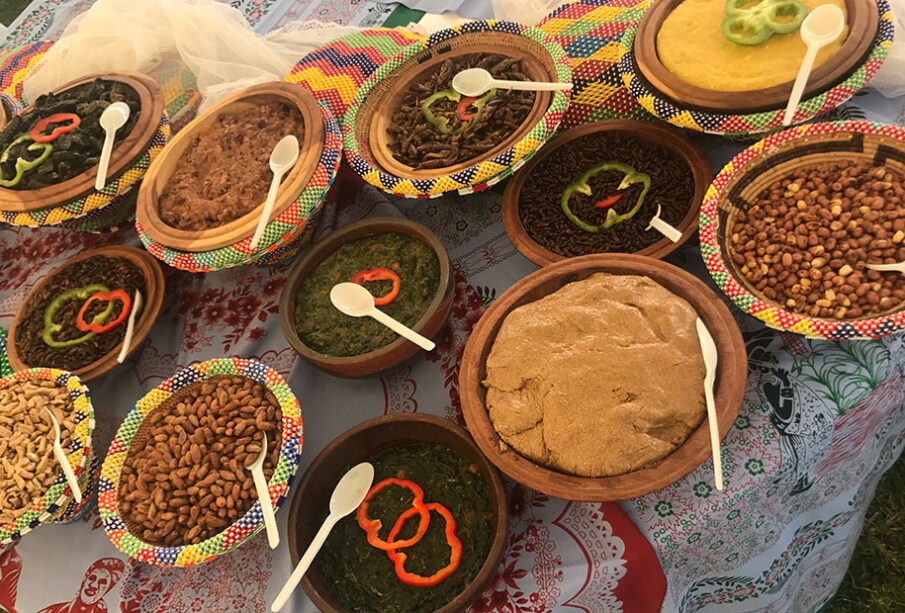
Across Africa, food is much more than something placed on a plate. It can represent history, identity, gratitude, spirituality, family and community. During traditional festivals, these meanings become even more visible as people prepare dishes that have been passed from one generation to another.
From Ghanaian harvest celebrations to Yoruba festivals in Nigeria, Ethiopian religious celebrations and North African feasts, festival foods reflect the ingredients, agricultural practices and cultural traditions of different communities. African cuisine is remarkably diverse, with staples such as maize, cassava, millet, sorghum, yams, rice, beans, fish, vegetables and nuts appearing across different regions.
Why Food Matters During African Festivals
Traditional festivals often bring together families, elders, farmers, religious leaders, visitors and entire communities. Food becomes one of the easiest ways to express hospitality and strengthen social connections.
Festival cooking can also preserve knowledge. Recipes, preparation techniques and ingredient combinations are frequently taught informally within families. In Ghana, for example, traditional cuisine varies according to geography, language, agriculture and community history.
A festival meal may therefore tell a story about where a community came from, what it grows and how its people understand celebration.
1. Ghana: Kpokpoi and Festival Foods
Ghana has numerous traditional festivals where food plays an important cultural role.
During Homowo, celebrated by the Ga people, kpokpoi, also known as kpekple, is particularly significant. The maize-based food is associated with the community’s remembrance of hunger and the celebration of abundance after difficult times. It is not simply a meal; its preparation and use connect the festival to collective memory and history.
Other Ghanaian communities celebrate harvests with foods made from yam, plantain, cassava, cocoyam and maize. Fufu, ampesi and various soups and stews may appear during important gatherings.
2. Nigeria: Rice, Yam, Soups and Festival Feasting
Nigeria’s enormous cultural diversity means that festival foods differ significantly from one region to another.
Yam has an especially important place in several Nigerian communities. New Yam celebrations provide an opportunity to recognise the harvest, appreciate farmers and bring communities together.
During festivals and other major cultural occasions, dishes such as jollof rice, pounded yam, egusi soup, pepper soup, moi moi, assorted meat and local rice dishes may feature prominently depending on the community.
Nigerian culinary traditions also demonstrate how food can preserve regional identity. For example, dishes such as egusi soup, ofe akwu and tuwon shinkafa are associated with different cultural and geographical food traditions.
The Sango Festival in Oyo is another example of a traditional celebration deeply connected to Yoruba cultural institutions and ancestral heritage. The festival marks the beginning of the Yoruba traditional New Year and was inscribed by UNESCO on its Representative List of Intangible Cultural Heritage in 2023.
3. Ethiopia: Injera, Wot and Communal Meals
In Ethiopia, traditional celebrations often feature injera, the familiar fermented flatbread made primarily from teff, served alongside various stews known as wot or wat.
The communal nature of Ethiopian dining makes it particularly suitable for celebrations. Large platters can be shared by family members and guests, turning the meal into a social experience rather than an individual activity.
Spiced meat and vegetable stews, lentils and other dishes can accompany injera, creating a meal that combines different textures and flavours.
Festival cooking in Ethiopia also demonstrates the importance of grains, legumes, spices and traditional preparation methods in the country’s food heritage.
4. Senegal: Rice, Fish and Celebratory Meals
Senegalese cuisine is strongly influenced by the country’s coastal environment and agricultural traditions.
One of its most recognised dishes is thiéboudienne, a rice-and-fish dish traditionally prepared with vegetables and a flavourful tomato-based sauce. It is frequently associated with Senegalese cultural identity and is an example of how local ingredients can become central to national culinary heritage.
Festival and family gatherings often provide opportunities for generous meals where large quantities of food are prepared for guests.
West African cuisine more broadly is known for dishes that combine grains, vegetables, fish, meat, spices and locally available ingredients.
5. Morocco: Couscous, Tagines and Festive Hospitality
North African festival food has its own distinctive character.
In Morocco, couscous and tagines are among the foods associated with family gatherings and celebrations. Couscous combines grains with vegetables, meat or other accompaniments, while tagines are slow-cooked dishes prepared in the distinctive conical cooking vessel.
Moroccan festive meals also demonstrate the influence of spices, dried fruits, nuts and centuries of trade and cultural exchange across North Africa.
The result is a cuisine where preparation itself can become part of the celebration.
6. South Africa: Meat, Maize and Community Gatherings
In Southern Africa, traditional celebrations frequently include foods based on maize, meat and locally available vegetables.
In South Africa, braai has become an important social food tradition, particularly during gatherings. Different communities also have their own traditional dishes, including maize-based foods, stews and vegetable preparations.
Food traditions in the region demonstrate how cooking can bring people together around fire, conversation and shared experiences.
7. Kenya and East Africa: Ugali, Irio and Festive Meals
Kenyan cuisine reflects the country’s diverse ethnic communities and agricultural environments.
Ugali, generally made from maize flour, is an important staple in many Kenyan households and is commonly eaten with vegetables, meat, fish or stews.
Irio, a mixture traditionally associated with mashed potatoes, peas and maize, is another well-known Kenyan dish. Traditional foods such as these can become part of family celebrations and community gatherings.
Across East Africa, celebrations may also feature rice dishes, grilled meats, legumes, bananas, vegetables and regional stews.
8. The Importance of Indigenous Ingredients
One of the most fascinating aspects of African festival food is the use of ingredients that grow naturally or have been cultivated locally for generations.
Maize, millet, sorghum, cassava, yam, plantain, teff, cowpeas, groundnuts, palm products, leafy vegetables and locally caught fish are just some examples.
Research examining traditional African diets identifies maize, cassava, cowpeas, fish, fruit, legumes, millet, sorghum and vegetables among the foods most frequently associated with traditional diets across the continent.
These ingredients are important not only nutritionally but culturally. They connect food to farming, seasons, land and local knowledge.
Food as a Form of Cultural Preservation
Traditional festival foods can help communities preserve their heritage at a time when lifestyles and eating habits are changing rapidly.
Younger generations may encounter traditional recipes at festivals even when they do not regularly prepare them at home. Elders can demonstrate cooking techniques, explain the history of particular dishes and pass knowledge to younger family members.
This is particularly important because culinary knowledge is often transmitted orally rather than through formal written recipes. Projects documenting African food heritage have highlighted the value of recording recipes, oral histories, cooking methods and personal experiences before such knowledge disappears.
The Economic Value of Festival Foods
Traditional festival foods also create economic opportunities. Farmers supply ingredients, while caterers, cooks, food vendors, processors and small businesses provide meals and products during celebrations. Festivals can therefore create demand for indigenous crops and encourage communities to maintain local food production.
The growing interest in indigenous African ingredients is also creating opportunities for chefs and entrepreneurs to develop modern products while retaining traditional flavours. In Ghana, for example, food advocates and culinary professionals are promoting ingredients such as moringa and tigernut and encouraging greater appreciation of indigenous foods.
Preserving Africa’s Food Heritage for Future Generations
Traditional festival foods deserve to be protected because they represent much more than culinary preferences. They carry memories, agricultural knowledge, family traditions and community identity.
Preservation can take many forms. Families can teach children traditional recipes. Communities can document cooking techniques. Schools can introduce students to indigenous foods. Restaurants can showcase regional dishes. Food entrepreneurs can develop modern products from traditional ingredients without erasing their cultural origins.
Festivals themselves remain especially powerful because they allow people to taste their heritage.
Conclusion
Traditional festival foods across Africa reveal the extraordinary diversity of the continent’s cultures. A bowl of Ghanaian kpokpoi, a Nigerian yam dish, Ethiopian injera and wot, Senegalese rice and fish, Moroccan couscous or Kenyan irio may look completely different, yet they share an important quality: food connects people to place, history and one another.
As African communities continue to celebrate their festivals, preserving the foods associated with those occasions can help ensure that culinary traditions remain alive for future generations. The future of African food does not have to mean abandoning tradition. Instead, innovation can work alongside heritage, allowing old recipes and indigenous ingredients to find new audiences while retaining the stories that made them meaningful in the first place.



Leave a reply




Africa’s Source for Breaking News | Entertainments | Health | Finance | Sports | Lifestyle and Business News.


