
Traditional Food Preservation Methods for Sustainability
Traditional Food Preservation Methods for Sustainability
Food sustainability has become an important issue as communities face rising food prices, climate change, food waste, and increasing pressure on agricultural resources.
Across Africa, generations have relied on traditional food preservation methods to keep harvests edible for longer periods. These techniques helped families survive seasonal shortages, reduce waste, and make the most of locally available ingredients.
Today, traditional preservation methods remain valuable. Although modern refrigeration and industrial food processing have transformed how people store food, many older techniques offer affordable and practical alternatives. Methods such as drying, smoking, fermentation, salting, and storing crops in suitable conditions can support food security while preserving cultural knowledge.
Understanding these practices can help households, farmers, and food businesses reduce waste and build more sustainable food systems.
1. Sun-Drying: A Simple Way to Reduce Food Waste
Sun-drying is one of the oldest food preservation methods. It involves removing moisture from food, making conditions less favourable for the growth of many microorganisms that cause spoilage. In communities with abundant sunlight, the technique offers an accessible way to preserve agricultural produce.
Across Africa, people traditionally dry tomatoes, peppers, cassava, fish, meat, fruits, and leafy vegetables. In Nigeria, dried pepper and fish are common ingredients that can be stored for later use. Similarly, dried cassava products provide important ingredients for meals throughout the year.
Sun-drying can reduce dependence on electricity and expensive refrigeration equipment. It also helps farmers preserve surplus produce during periods of high harvest rather than allowing it to spoil before reaching buyers.
However, safe drying requires care. Food should be protected from insects, dust, animals, and rain. Using clean raised racks, food-grade mesh covers, or solar dryers can improve hygiene and consistency. Produce must dry sufficiently before storage, and dried foods should be kept in clean, airtight containers in cool, dry conditions.
2. Fermentation: Preserving Food While Improving Variety
Fermentation uses beneficial microorganisms to transform food. Depending on the food and process, fermentation can produce acids or other compounds that help prevent the growth of harmful organisms.
Many African communities have long used fermentation to preserve staple foods and develop distinctive flavours. Nigerian examples include ogi, iru, fermented cassava products, and various traditional fermented condiments. Ghanaian kenkey and Ethiopian injera also demonstrate how fermentation contributes to everyday diets across the continent.
Fermentation can extend the useful life of certain foods while creating products with different textures, flavours, and nutritional characteristics. It can also help communities make use of crops that might otherwise deteriorate quickly.
Nevertheless, fermentation is not automatically safe simply because it is traditional. The correct ingredients, preparation methods, acidity, temperature, and storage conditions matter. Clean equipment and tested recipes are essential, especially when preparing foods for commercial sale. Fermented products should not be assumed safe if they develop unusual mould, unpleasant unexpected odours, or other signs of spoilage.
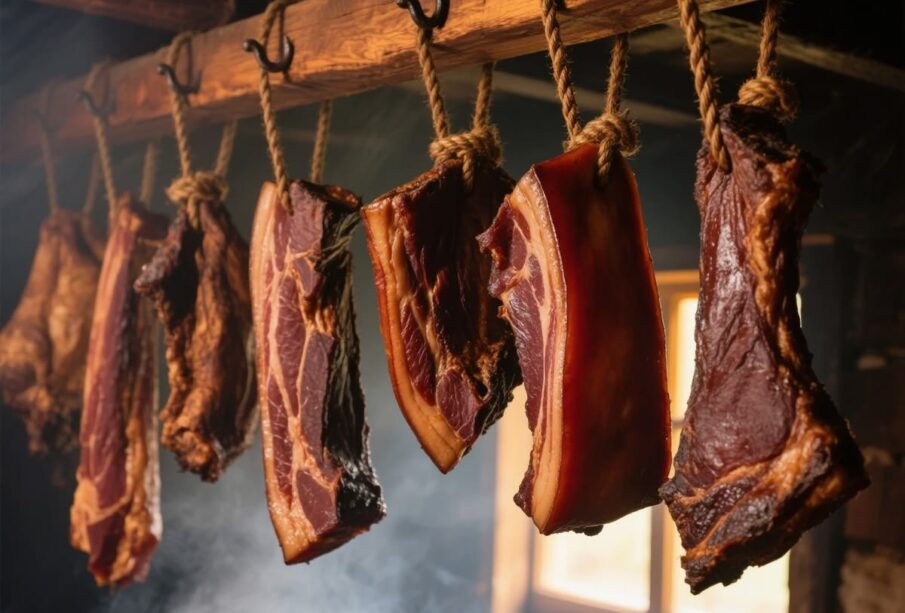
3. Smoking: Extending the Shelf Life of Fish and Meat
Smoking has traditionally helped communities preserve fish and meat, particularly where refrigeration was unavailable. The process exposes food to smoke and heat, depending on the method used. Drying and certain compounds in smoke can help slow spoilage.
In Nigeria, smoked fish is widely used in soups, stews, and other dishes. Fishing communities also use smoking to preserve catches that cannot be sold or consumed immediately. This reduces the risk of losing an entire harvest when demand is low or transportation is delayed.
Traditional smoking can support livelihoods by allowing producers to sell preserved products beyond the immediate fishing season. It can also reduce reliance on continuous electricity for refrigeration.
However, smoking does not guarantee that food is safe indefinitely. Inadequate heating, insufficient drying, and poor storage can allow dangerous microorganisms to survive or grow. Traditional open-fire methods may also expose workers to harmful smoke and create environmental pressure when they depend on unsustainable firewood supplies.
Improved kilns, efficient fuel use, proper ventilation, and appropriate post-smoking storage can make the process safer and more sustainable.
4. Salting: Using Salt to Slow Spoilage
Salting is another long-established preservation method. Salt reduces the availability of water for microbial growth when used at appropriate concentrations. It has traditionally been applied to fish, meat, and certain vegetables.
In coastal communities and areas with limited refrigeration, salted fish can provide a practical way to preserve food for later consumption or sale. Salted foods can also travel farther than highly perishable fresh products when handled and stored correctly.
For small businesses, salting may require less specialised equipment than some modern preservation technologies. It can therefore help producers manage seasonal supplies and reduce immediate pressure to sell everything at once.
However, preservation through salting requires the right salt concentration, preparation, and storage conditions. Salt alone does not eliminate every food safety risk. In addition, frequent consumption of high-sodium foods can contribute to health problems. Producers should follow suitable food safety guidance and avoid treating heavily salted food as a substitute for a balanced diet.
5. Traditional Storage of Grains, Tubers, and Legumes
Not every preservation method requires processing food. Sometimes, the most effective approach involves storing crops under suitable conditions.
Across Africa, farmers have traditionally stored maize, millet, sorghum, beans, yams, and other staples in granaries, baskets, raised platforms, and ventilated storage spaces. These structures were often designed to protect crops from rain, ground moisture, and certain pests.
In Nigeria, properly selected and cured yams can be stored in ventilated areas away from direct sunlight and excessive moisture. Dry grains and legumes can also remain usable for extended periods when thoroughly dried and protected from insects and rodents.
Traditional storage reduces post-harvest losses and helps households avoid buying all their staple foods during periods of high prices. It can also give farmers greater flexibility to sell produce when market conditions improve.
Nevertheless, storage conditions must match the crop. Yams need airflow and protection from injury, while dry grains require moisture-resistant storage. Modern hermetic bags and well-sealed containers can complement traditional practices by reducing pest damage when the grain is sufficiently dry before sealing.
6. Oil Preservation and the Use of Natural Ingredients
Some traditional food preparations use oil, salt, spices, or acidic ingredients as part of preservation. In many African households, cooked pepper mixtures, sauces, and condiments are prepared in ways intended to help them last longer.
Oil can reduce exposure to air at the food surface, while salt and acids can influence microbial growth. Certain spices also contain compounds that show antimicrobial activity under particular conditions.
However, these ingredients should not be treated as reliable stand-alone preservation methods. Covering food with oil does not make it safe for long-term storage at room temperature. Garlic, herbs, vegetables, and other low-acid ingredients submerged in oil can create conditions suitable for dangerous bacteria, including Clostridium botulinum, if handled improperly.
For homemade sauces and cooked foods, safe refrigeration, freezing, tested preservation recipes, and appropriate heat processing are more dependable options. Traditional knowledge is most useful when combined with current food safety guidance.
7. How Traditional Preservation Supports Food Sustainability
Traditional preservation contributes to sustainability in several important ways.
First, it reduces food waste. Preserving surplus tomatoes, fish, grains, and fruits allows households and businesses to use more of what they purchase or harvest.
Second, it can lower energy consumption. Sun-drying and suitable natural storage methods may require less electricity than continuous refrigeration, although their overall environmental impact depends on the process and local conditions.
Third, preservation supports local livelihoods. Farmers, fish processors, food vendors, and small manufacturers can earn income from products that would otherwise spoil quickly.
Finally, traditional techniques protect cultural knowledge. Recipes and preservation skills passed between generations can remain valuable sources of practical knowledge, especially when communities adapt them to changing climates and markets.
8. Combining Traditional Knowledge with Modern Technology
Traditional methods do not need to compete with modern technology. In many cases, combining both produces better results.
Solar dryers can make drying more consistent during unpredictable weather. Improved smoking kilns can reduce fuel use and exposure to smoke. Modern storage containers can protect dried foods from moisture and pests, while thermometers and food safety testing can help processors maintain reliable standards.
Small businesses can also use better packaging, clear labelling, and inventory management to reduce losses during transportation and retail. These improvements can make traditional products more competitive without removing their distinctive qualities.
Governments, agricultural organisations, and food businesses can support this transition by providing practical training, affordable equipment, food safety education, and access to markets.
Conclusion
Traditional food preservation methods remain an important part of sustainable food systems. Drying, fermentation, smoking, salting, and appropriate crop storage help communities reduce waste, manage seasonal supplies, preserve cultural practices, and support local businesses.
However, tradition alone does not guarantee safety or sustainability. Each method must be adapted to the food involved, the local environment, and modern food safety requirements.
By combining inherited knowledge with improved equipment and reliable scientific guidance, African households and businesses can preserve more food, protect livelihoods, and make better use of agricultural resources. In a world facing growing pressure on food supplies, these practical methods offer valuable lessons for building a more resilient and sustainable future.




Leave a reply




Africa’s Source for Breaking News | Entertainments | Health | Finance | Sports | Lifestyle and Business News.


