
Traditional Foods Linked to Ceremonies
Traditional Foods Linked to Ceremonies
Traditional Foods Linked to Ceremonies and Celebrations
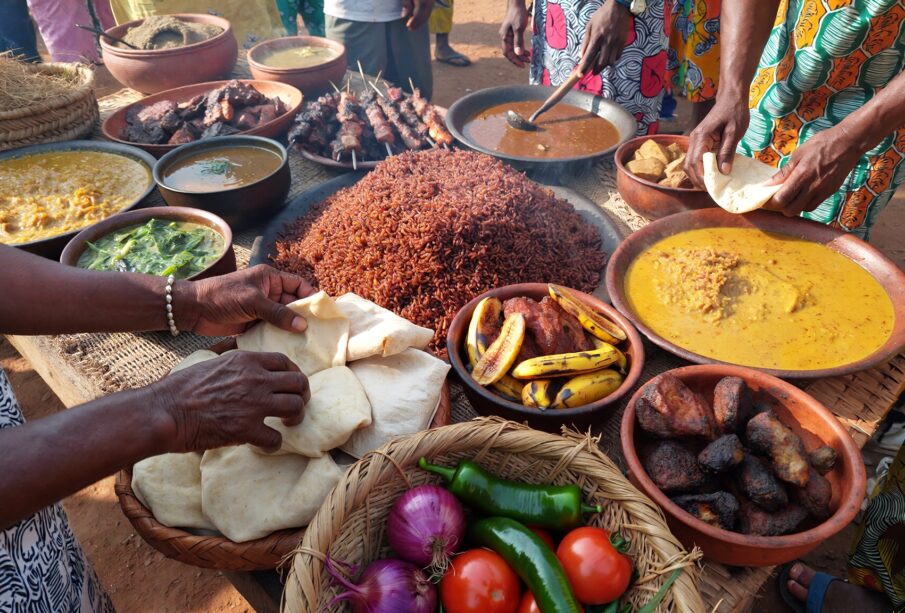
Food plays a powerful role in African culture. Beyond satisfying hunger, traditional dishes can represent family, identity, history, hospitality, and community. Across the continent, important ceremonies and celebrations often come with foods that have been prepared and shared for generations.
From weddings and naming ceremonies to festivals, funerals, harvest celebrations, and religious occasions, food helps bring people together. Certain dishes become closely associated with particular events, making them an important part of the celebration itself.
Why Food Matters During African Celebrations
Traditional foods often carry meanings that go beyond their ingredients. The preparation and sharing of a meal can strengthen relationships between families and communities.
During celebrations, food can also demonstrate hospitality. Guests may travel long distances to attend weddings, festivals, naming ceremonies, or other important occasions. Serving generous portions of traditional dishes is often a way of welcoming them.
Food can also preserve cultural knowledge. Recipes, cooking techniques, and serving traditions are frequently passed from parents and grandparents to younger generations.
As African communities become more urban and lifestyles change, these foods continue to provide a connection to cultural heritage.
Traditional Foods at Weddings
Weddings are among the occasions where food plays a particularly important role. Families may prepare large quantities of traditional dishes to serve guests throughout the celebration.
In Nigeria, dishes such as jollof rice, fried rice, pounded yam, egusi soup, and assorted meat are common at many celebrations. The exact menu varies according to the families’ ethnic backgrounds and region.
In Ghana, wedding celebrations may feature dishes such as waakye, jollof rice, fried plantain, grilled meat, and various soups and stews.
Across East Africa, foods such as pilau, chapati, nyama choma, and various rice and meat dishes can appear at weddings and other major gatherings.
The variety of dishes often reflects the families involved and allows guests to experience different aspects of their culinary traditions.
Naming Ceremonies and Family Gatherings
The birth of a child is celebrated differently across African cultures, but food is commonly part of the occasion.
Naming ceremonies may bring together relatives, friends, neighbours, and community members. Hosts often prepare traditional dishes that can be served to a large number of people.
In some communities, particular foods may carry symbolic meanings connected to prosperity, health, fertility, strength, or good fortune.
Even when there is no single dish associated with a naming ceremony, the communal meal itself can represent gratitude and the welcoming of a new member into the family.
Foods Associated With Religious Celebrations
Religious celebrations across Africa also have strong food traditions. Christian, Muslim, and indigenous religious communities have developed different culinary practices around important occasions.
During Eid celebrations, for example, many Muslim families prepare special meals and sweets for relatives and guests. Dishes vary widely across countries and communities, but meat, rice dishes, pastries, dates, and other festive foods are often part of the celebration.
Christian communities may prepare special meals for Christmas and Easter. In many African households, these occasions provide opportunities for extended families to gather around a generous meal.
These traditions demonstrate how food can connect religious observance with family and community life.
Festival Foods and Cultural Identity
Traditional festivals provide some of the clearest examples of the relationship between food and culture. Harvest festivals in different parts of Africa may feature foods made from crops that are central to the local community. Maize, millet, sorghum, cassava, yams, plantains, rice, and other staples can become part of festival meals.
These foods can celebrate the agricultural work that supports communities. They may also remind younger generations of the importance of farming and traditional food systems.
Festivals can therefore turn food into a form of cultural storytelling. Each dish can reflect the environment, agriculture, history, and traditions of the people preparing it.
Food at Funerals and Remembrance Ceremonies
Food is also important during periods of mourning. Funerals often bring large groups of relatives, friends, and community members together, sometimes over several days.
Preparing and serving food helps families care for visitors during a difficult period. It can also demonstrate community support for the bereaved family.
Traditional funeral foods vary considerably across Africa. Some communities prepare simple meals, while others serve elaborate dishes depending on cultural practices, resources, and the nature of the ceremony.
In many cases, the emphasis is less on celebration and more on hospitality, solidarity, and shared remembrance.
The Role of Communal Cooking
One of the most important aspects of ceremonial food is the process of preparing it.
Large celebrations can require several people to wash, cut, season, cook, serve, and distribute food. Family members, friends, neighbours, and community groups may all contribute.
This communal cooking creates an opportunity for people to interact and pass knowledge between generations.
Young people may learn traditional cooking techniques simply by helping older relatives prepare food for a major event. In this way, celebrations can help keep culinary traditions alive.
Popular Foods With Cultural Significance
Although African cuisine is extremely diverse, certain foods appear frequently at celebrations across different regions.
Jollof Rice
Jollof rice is particularly popular in West Africa and is commonly served at parties and other social gatherings. Different countries and communities have their own versions, making the dish an important part of regional culinary identity.
Pounded Yam and Soups
In parts of West Africa, pounded yam served with soups such as egusi or vegetable-based soups can be part of important family gatherings and celebrations.
Pilau
Pilau is widely enjoyed in parts of East Africa and can be prepared for weddings, religious celebrations, and other gatherings.
Injera and Stews
In Ethiopia and Eritrea, injera is closely connected to communal eating. It is often served with a variety of stews and vegetables, creating a meal designed to be shared.
Nyama Choma
Nyama choma, or grilled meat, is particularly popular in East Africa and can feature prominently at social gatherings and celebrations.
Couscous and Tagines
Across North Africa, couscous, tagines, and other traditional dishes can form part of family gatherings, religious celebrations, and special occasions.
How Traditional Celebration Foods Are Changing
African food traditions are evolving alongside modern lifestyles. Urbanisation, international travel, changing work schedules, and new cooking technologies have influenced how people prepare traditional meals.
Some families now combine traditional dishes with international cuisine at celebrations. Caterers may also modernise traditional recipes or present them in new ways.
Despite these changes, many people continue to include familiar traditional dishes because they create a sense of identity and nostalgia.
Social media has also helped traditional African foods reach wider audiences. Recipes, cooking videos, food festivals, and cultural events have introduced local dishes to people both within Africa and around the world.
Preserving Traditional Food Traditions
Keeping ceremonial food traditions alive does not necessarily mean preparing every dish exactly as previous generations did. It can also involve documenting recipes, teaching young people traditional cooking techniques, supporting local food producers, and creating opportunities for communities to share their cuisine.
Families can involve children in meal preparation and explain the cultural meaning behind different dishes. Schools, cultural organisations, restaurants, and food entrepreneurs can also help document and promote traditional cuisines.
This matters because food traditions are part of Africa’s intangible cultural heritage.
Food as a Celebration of African Identity
Traditional foods linked to ceremonies and celebrations show how deeply cuisine is connected to African life. A meal can welcome a guest, honour an elder, celebrate a new child, unite families, mark a religious occasion, or bring comfort during grief.
The ingredients may differ from one region to another, but the underlying idea remains powerful: food brings people together.
As African communities continue to change, traditional celebration foods can serve as a bridge between generations. They preserve memories, encourage communal participation, and keep cultural stories alive, one meal at a time.




Leave a reply




Africa’s Source for Breaking News | Entertainments | Health | Finance | Sports | Lifestyle and Business News.


