
Indigenous Foods With Medicinal Benefits
Indigenous Foods With Medicinal Benefits
Indigenous Foods With Medicinal Benefits: Africa’s Natural Pharmacy
For thousands of years, Africans have relied on indigenous foods not only to satisfy hunger but also to promote health and prevent disease. Long before modern medicine became widely available, communities across the continent understood the healing properties of plants, fruits, seeds, grains, and spices found in their local environments. Today, scientific research is increasingly confirming what traditional knowledge has preserved for generations: many indigenous African foods contain powerful nutrients and bioactive compounds that support overall wellness.
As lifestyles change and processed foods become more common, many of these traditional foods are gradually disappearing from everyday diets. However, rediscovering indigenous foods offers an opportunity to improve nutrition while preserving Africa’s rich cultural heritage. By embracing these natural foods, individuals can enjoy delicious meals while supporting long-term health.
Why Indigenous Foods Matter
Indigenous foods are crops, fruits, vegetables, herbs, and grains that naturally originate from or have been cultivated in African communities for generations. Unlike many heavily processed foods, they are often rich in vitamins, minerals, antioxidants, dietary fiber, and plant compounds that help protect the body against illness.
Moreover, these foods are usually well adapted to local climates, making them more sustainable and environmentally friendly. They also strengthen local economies by supporting small-scale farmers and preserving traditional agricultural practices.
Indigenous African Foods With Medicinal Benefits
1. Moringa (The Miracle Tree)
Often called the “miracle tree,” moringa grows across many African countries and is one of the continent’s most nutrient-dense plants.
Its leaves contain high levels of vitamins A, C, and E, calcium, potassium, iron, and protein. Additionally, moringa possesses powerful antioxidant and anti-inflammatory properties that may help reduce oxidative stress.
Potential health benefits include:
- Supporting immune function
- Improving nutrition
- Helping regulate blood sugar levels
- Reducing inflammation
- Promoting healthy skin
Many African households add fresh or dried moringa leaves to soups, stews, teas, and sauces.
2. Baobab Fruit
Known as the “Tree of Life,” the baobab produces fruit with exceptionally high vitamin C content. In fact, baobab pulp contains significant amounts of antioxidants, calcium, magnesium, potassium, and dietary fiber.
Regular consumption may help:
- Strengthen the immune system
- Improve digestion
- Support healthy gut bacteria
- Enhance energy levels
- Promote healthy skin
Today, baobab powder is increasingly used in smoothies, juices, cereals, and baked foods.
3. Bitter Leaf
Widely consumed in West and Central Africa, bitter leaf has been valued for centuries in traditional medicine.
Although its taste is naturally bitter, it contains plant compounds believed to support various body functions.
Traditionally, bitter leaf has been associated with:
- Better digestion
- Blood sugar management
- Liver support
- Reduced inflammation
- Improved appetite
It remains a staple ingredient in many nutritious African soups.
4. Fonio
Fonio is one of Africa’s oldest cultivated grains and is gaining international recognition as a nutritious superfood.
Unlike refined grains, fonio is naturally rich in iron, magnesium, zinc, amino acids, and dietary fiber. Furthermore, it has a relatively low glycemic impact compared to many processed carbohydrates.
Health advantages include:
- Better digestive health
- Sustained energy release
- Support for heart health
- Improved blood sugar management
- Essential nutrients for overall wellness
5. Hibiscus (Roselle)
Known in different regions as zobo, bissap, or karkadé, hibiscus is popular as a refreshing beverage. Besides its vibrant color and pleasant flavor, hibiscus contains antioxidants called anthocyanins, which help protect body cells from damage.
Research suggests hibiscus may support:
- Healthy blood pressure
- Heart health
- Hydration
- Immune function
- Reduced oxidative stress
When prepared with little or no added sugar, hibiscus tea can be a healthy everyday drink.
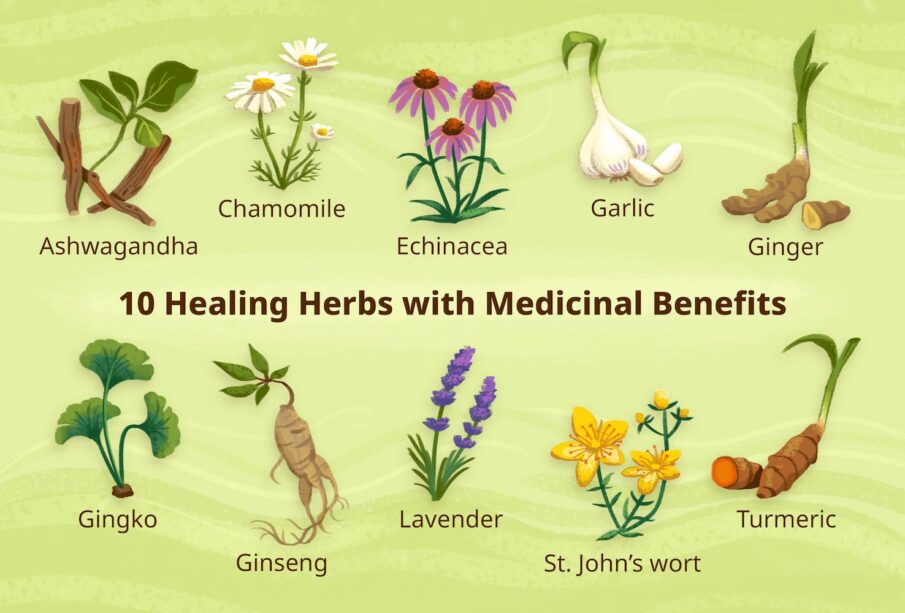
6. Ginger
Although cultivated in many parts of the world, ginger has become an important ingredient in African traditional cuisine and natural medicine.
Its active compounds possess anti-inflammatory and antioxidant properties that may help with:
- Nausea relief
- Digestion
- Cold symptoms
- Joint discomfort
- Immune support
Fresh ginger is commonly used in teas, soups, juices, and herbal preparations.
7. African Eggplant
African eggplants are rich in fiber, vitamin C, potassium, and antioxidants.
Traditionally, they have been eaten both as food and for their perceived medicinal value.
Potential benefits include:
- Supporting healthy digestion
- Promoting heart health
- Assisting weight management
- Providing antioxidants that protect body cells
They are commonly enjoyed fresh, roasted, or cooked in local dishes.
8. Sesame Seeds
Sesame seeds have long been cultivated in several African countries and provide healthy fats, calcium, magnesium, iron, and zinc.
Including sesame in the diet may help:
- Support bone health
- Improve heart health
- Provide healthy fats
- Reduce inflammation
- Maintain healthy cholesterol levels
They can be sprinkled over meals or processed into nutritious pastes and oils.
The Connection Between Traditional Knowledge and Modern Science
Many indigenous African foods have been used for generations based on observation and experience. Interestingly, modern scientific research increasingly supports many of these traditional practices by identifying beneficial nutrients and plant compounds.
However, it is important to remember that food should complement, not replace, professional medical care. While nutritious diets contribute to disease prevention and overall wellness, serious medical conditions require diagnosis and treatment from qualified healthcare professionals.
Preserving Africa’s Food Heritage
Unfortunately, rapid urbanization, changing lifestyles, and the popularity of imported processed foods threaten many indigenous crops. Younger generations may be unfamiliar with foods that sustained their ancestors for centuries.
Encouraging local farming, supporting traditional markets, documenting indigenous food knowledge, and promoting healthy eating can help preserve these valuable resources. Schools, families, governments, and food businesses all have an important role in ensuring these foods remain part of everyday life.
Conclusion
Africa’s indigenous foods represent far more than culinary traditions, they are an important part of the continent’s natural health heritage. From nutrient-rich moringa and antioxidant-packed baobab to fiber-rich fonio and heart-friendly hibiscus, these foods offer remarkable nutritional value that supports overall well-being.
As more people seek healthier lifestyles, indigenous African foods provide an opportunity to combine cultural heritage with modern nutrition. By choosing locally grown, minimally processed foods, individuals not only nourish their bodies but also support sustainable agriculture, strengthen local economies, and preserve Africa’s rich biodiversity for future generations.
Ultimately, the journey toward better health may begin by rediscovering the wholesome foods that African communities have trusted for centuries.




Leave a reply





Africa’s Source for Breaking News | Entertainments | Health | Finance | Sports | Lifestyle and Business News.


