
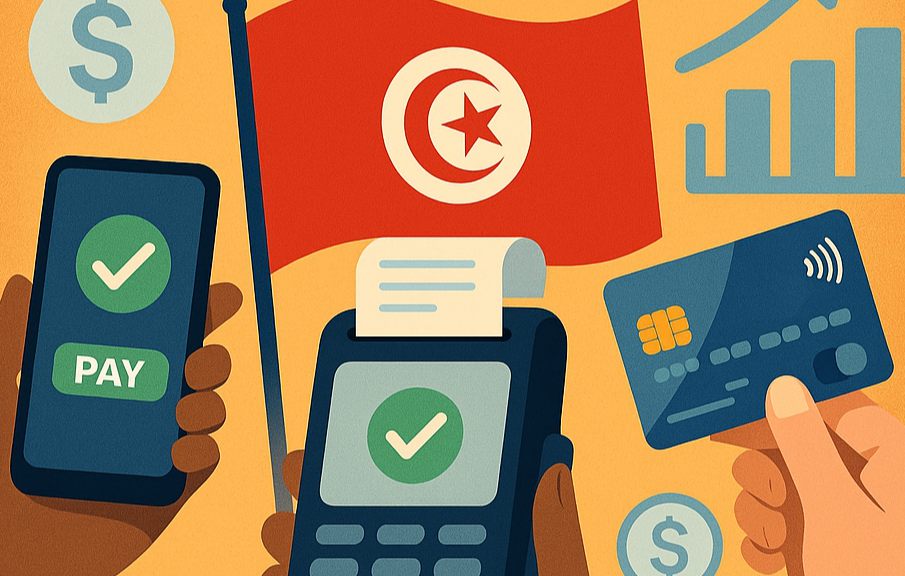
Tunisia’s Fintech Boom
Tunisia’s Fintech Boom: Opportunities Most People Are Missing
Tunisia is quietly building a digital finance ecosystem that could reshape how businesses, consumers and entrepreneurs access financial services across North Africa. While larger markets often dominate conversations about African fintech, Tunisia offers a different story: a growing technology sector, rising demand for digital payments, a young entrepreneurial population and opportunities to make financial services more accessible.
For investors and entrepreneurs, the country presents possibilities beyond mobile banking and payment applications. Digital lending, financial software, cross-border payments, Islamic fintech and services for small businesses could all play important roles in its next phase of growth.
However, Tunisia’s fintech sector still faces regulatory, economic and infrastructure challenges. Understanding both its potential and its limitations is essential for anyone hoping to benefit from the emerging opportunities.
Understanding Tunisia’s Fintech Boom
Financial technology, commonly known as fintech, uses digital tools to improve financial services. These tools include mobile payment platforms, online lending systems, digital banking, electronic wallets and software that helps businesses manage their money.
Tunisia has several advantages that support fintech development. The country has an established technology and telecommunications sector, a growing community of startups and a population increasingly familiar with digital services. Its geographic position between Europe and Africa also creates opportunities for businesses interested in regional and international markets.
Government initiatives have helped establish a more supportive environment for innovative financial businesses. Tunisia’s Startup Act, introduced in 2018, created a framework offering eligible startups benefits intended to encourage entrepreneurship and innovation.
The Central Bank of Tunisia has also supported financial innovation through initiatives such as its fintech-focused regulatory sandbox, which allows eligible businesses to test certain innovative financial solutions under regulatory supervision.
Nevertheless, a supportive environment does not automatically guarantee commercial success. Cash remains important in everyday transactions, access to financing can be difficult, and fintech companies must navigate financial regulations and consumer trust issues. These challenges, however, also reveal where new businesses could create value.
1. Digital Payments for Small Businesses
One of the most promising opportunities lies in helping small businesses accept and manage digital payments.
Tunisia has thousands of small retailers, independent professionals, restaurants, market traders and service providers. Many operate with limited accounting systems and depend heavily on cash. Moving these businesses towards convenient digital payments could improve transaction records, reduce cash-handling risks and make financial management easier.
Entrepreneurs can develop payment solutions that combine digital wallets, merchant payment tools, transaction tracking and simple bookkeeping. Rather than offering payments alone, a platform could help a shop owner monitor daily sales, identify popular products and reconcile transactions.
For example, a neighbourhood grocery store could use one application to record digital payments, track outstanding customer balances and generate weekly sales reports.
The opportunity is not simply to build another payment application. It is to make digital transactions useful enough that businesses want to use them regularly.
Companies entering this market must investigate Tunisia’s payment regulations, banking partnerships and existing payment providers before launching their products.
2. Financial Software for Small and Medium-Sized Enterprises
Small and medium-sized enterprises, or SMEs, are another potentially valuable market.
Many businesses need better ways to manage invoices, payroll, inventory, expenses and cash flow. Yet comprehensive business software can be expensive, complicated or poorly suited to smaller companies.
Fintech entrepreneurs could bridge this gap by developing affordable financial management tools designed specifically for Tunisian businesses.
Such platforms might allow business owners to issue invoices, track payments, estimate upcoming expenses and organise financial records in one place. Integration with authorised payment providers and accounting services could make these tools even more useful.
Localisation is particularly important. Businesses need software that reflects local tax requirements, supports French and Arabic, and works reliably on affordable smartphones and ordinary internet connections.
There is also room for specialised products serving individual industries. A transport company may need expense tracking and payment reconciliation, while a small manufacturer may prioritise supplier invoices and working capital.
The strongest opportunity could therefore lie in solving specific business problems rather than competing with large international accounting platforms on every feature.
3. Digital Lending and Alternative Credit Assessment
Access to business financing remains a concern for many entrepreneurs. Traditional lenders often require extensive documentation, collateral or a credit history that younger businesses may not possess.
Fintech companies could help address this gap through digital lending platforms and alternative credit assessment tools.
With appropriate consent and regulatory safeguards, these platforms could analyse reliable business information, such as recorded sales, invoice histories and payment patterns, to help authorised lenders evaluate applicants. This approach could make credit assessment more efficient for businesses with limited conventional credit records.
For example, a small retailer with consistent sales but insufficient collateral might benefit from a lender that considers verified business performance alongside traditional financial information.
However, this opportunity requires careful execution. Poor lending decisions, excessive interest charges, weak data protection and aggressive debt collection can harm customers and undermine trust.
The most sustainable approach is to work with licensed financial institutions, use transparent lending criteria and provide responsible financing products. Businesses should also explore credit assessment software as a service, rather than assuming they must become lenders themselves.
4. Cross-Border Payments and International Trade
Tunisia’s connections with European and African markets create another area worth watching: cross-border payments.
Exporters, importers, freelancers and service companies need reliable ways to receive payments, pay suppliers and manage international transactions. Yet cross-border transfers can involve multiple intermediaries, currency conversion costs and administrative delays.
Fintech businesses could help by building payment reconciliation software, international invoicing systems and tools that simplify documentation for businesses engaged in foreign trade.
For instance, a Tunisian digital agency serving European clients could use a specialised platform to track invoices, monitor incoming payments and organise records for accounting purposes.
Businesses supporting exporters and international service providers may find opportunities in compliance technology, payment tracking and integration with established financial institutions.
However, international payments are heavily regulated. Foreign exchange rules, licensing requirements and restrictions affecting particular transactions must be examined carefully. A startup should not assume it can freely move money between Tunisia and other countries simply because its technology supports the process.
5. Islamic Fintech and Ethical Finance
Islamic finance presents another potential growth area. Some consumers and businesses prefer financial products structured around Islamic principles, including restrictions on interest-based transactions.
Fintech entrepreneurs could develop digital platforms that help customers discover suitable financial products, manage savings goals, access Sharia-compliant investment opportunities or connect with appropriately authorised providers.
Technology can also help financial institutions automate documentation, monitor compliance requirements and make their services easier to access.
For small businesses, specialised platforms could simplify access to participating Islamic finance providers and explain available financing structures in straightforward language.
Still, entrepreneurs must avoid treating Tunisia as a market with uniform financial preferences. Customer demand should be validated through research, and products must receive appropriate regulatory and Sharia-compliance review where necessary.
The opportunity is to make suitable financial services more accessible, not simply to attach an Islamic label to an ordinary financial product.
6. Cybersecurity and Fraud Prevention
As financial services move online, protecting customers becomes increasingly important. Payment providers, banks, online merchants and fintech startups all need safeguards against account takeovers, phishing, identity fraud and suspicious transactions.
This creates opportunities for technology companies specialising in identity verification, fraud monitoring, secure authentication and cybersecurity training.
A startup could, for example, help an online retailer identify unusual payment patterns or provide a financial institution with software that flags potentially fraudulent transactions for further review.
Smaller companies may be especially interested in affordable security services because they cannot always maintain large internal cybersecurity teams.
Entrepreneurs can also explore security audits, staff training and compliance support. These services may offer a practical entry point because they do not necessarily require launching a consumer-facing financial application.
Trust is a major competitive advantage in financial technology. Companies that demonstrate strong security practices and communicate clearly about data protection can differentiate themselves in a crowded market.
7. Fintech Infrastructure for Other Businesses
Not every opportunity requires building a financial brand that consumers recognise. Some of the most valuable businesses operate behind the scenes.
Banks, payment providers and other financial institutions need technology that connects their systems, verifies customer identities, manages transaction records and supports regulatory reporting.
This creates opportunities for business-to-business fintech providers offering application programming interfaces, payment integration, reconciliation tools and compliance software.
For example, a software company could help retailers connect their existing sales systems to authorised payment providers, reducing the need for manual transaction matching.
Other businesses could specialise in digitising financial paperwork or helping financial institutions improve customer onboarding.
These services may be particularly attractive to founders with technical skills who prefer selling to a smaller number of business clients rather than acquiring thousands of individual users.
However, selling to financial institutions can involve lengthy procurement processes, security assessments and demanding technical requirements. Entrepreneurs need sufficient resources to support these relationships.
The Challenges Entrepreneurs Must Understand
Despite its promise, Tunisia’s fintech sector is not an effortless route to business success.
First, regulation matters. Financial services can require specific authorisations, and rules differ between payments, lending, deposits and other activities. Entrepreneurs should consult the Central Bank of Tunisia and qualified local advisers before launching regulated products.
Second, consumer behaviour can slow adoption. Customers accustomed to cash may hesitate to trust unfamiliar digital platforms, particularly when fees are unclear or customer support is unreliable.
Third, funding and commercial partnerships can be difficult to secure. A promising application still needs a sustainable revenue model, dependable technology and a clear route to market.
Finally, Tunisia’s domestic market has limits. Businesses hoping to expand internationally must assess language, licensing, currency and customer-support requirements in each target market.
These obstacles make customer research essential. Founders should speak with prospective users, test demand on a small scale and establish partnerships before investing heavily in product development.
How Entrepreneurs Can Take Advantage
Anyone exploring Tunisia’s fintech opportunities can begin with a practical three-step approach.
First, identify an expensive or frustrating financial problem. Speak with small businesses, freelancers, exporters or financial institutions. Find out where payments, accounting, financing or compliance create the greatest difficulties.
Second, build a focused solution. Start with one clear service, such as invoice tracking or payment reconciliation. Test whether customers will pay for it before expanding into additional features.
Third, establish the right partnerships. Work with licensed financial institutions, technology providers and relevant regulators. Strong partnerships can help a startup build credibility and avoid costly compliance mistakes.
Founders should also investigate Tunisia’s startup support programmes, accelerator networks and investment community to identify relevant funding and mentorship opportunities. Eligibility and current programme availability should be verified before making financial commitments.
Conclusion
Tunisia’s fintech boom is about more than digital wallets and mobile banking. It also creates potential opportunities in business software, alternative credit assessment, international trade support, Islamic finance, cybersecurity and financial infrastructure.
For entrepreneurs, the biggest opportunities may be hidden in everyday problems that existing services have not adequately solved.
Success will depend on understanding local customers, respecting financial regulations and building products that deliver measurable value. Rather than copying fintech models from larger markets, founders should develop solutions suited to Tunisia’s language, business practices and financial environment.
As digital finance continues to evolve, businesses that solve practical problems and earn customer trust could help shape Tunisia’s next chapter in financial innovation.




Leave a reply






Africa’s Source for Breaking News | Entertainments | Health | Finance | Sports | Lifestyle and Business News.


