
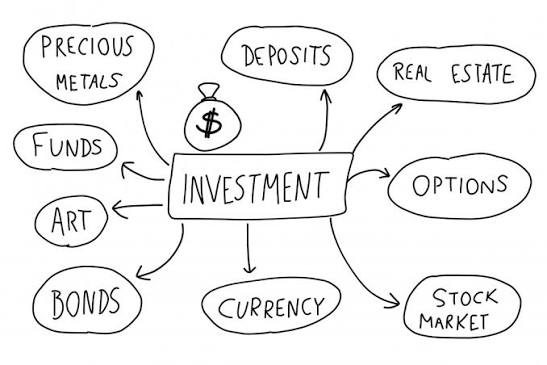
Understanding Investment Opportunities
Understanding Investment Opportunities: A Practical Guide to Building Wealth
Investing is one of the most effective ways to grow wealth over time. While saving money helps provide financial security, investing allows your money to work for you by generating returns through various assets. Whether you are a student, a young professional, an entrepreneur, or someone planning for retirement, understanding investment opportunities can help you make informed financial decisions.
Across Africa, investment opportunities are becoming more accessible than ever. Digital banking platforms, mobile investment apps, government-backed securities, agricultural ventures, real estate developments, and stock markets have opened doors for individuals to participate in wealth creation. However, successful investing requires knowledge, patience, and careful planning.
This guide explains the different types of investment opportunities, their benefits, potential risks, and practical tips for making smarter investment decisions.
What Is an Investment?
An investment is any asset or financial product purchased with the expectation that it will generate income or increase in value over time. Instead of letting money remain idle, investors allocate funds to opportunities that have the potential to produce returns.
These returns may come in different forms, including:
- Capital appreciation
- Dividends
- Interest payments
- Rental income
- Business profits
Although every investment carries some level of risk, informed decisions can significantly improve your chances of achieving positive outcomes.
Why Investing Matters
Investing provides several long-term benefits that go beyond simply growing your money.
Builds Long-Term Wealth
The earlier you begin investing, the more time your investments have to grow through compound returns.
Protects Against Inflation
Inflation gradually reduces the purchasing power of money. Investments that earn higher returns than inflation help preserve and increase your wealth.
Creates Passive Income
Some investments generate regular income through dividends, interest, or rental payments, reducing reliance on a single source of earnings.
Supports Financial Goals
Whether you are planning to buy a home, finance education, start a business, or retire comfortably, investing helps you reach your financial objectives faster.
Common Investment Opportunities
1. Stocks
Stocks represent ownership in publicly traded companies. Investors earn returns through rising share prices and dividends.
Advantages
- High long-term growth potential
- Dividend income
- Easy access through stock exchanges
Risks
- Prices fluctuate daily
- Market downturns can reduce investment value
2. Bonds
Bonds are loans made to governments or corporations in exchange for regular interest payments.
Advantages
- Lower risk than stocks
- Predictable income
- Suitable for conservative investors
Risks
- Lower returns compared to equities
- Interest rate changes may affect bond prices
3. Mutual Funds
Mutual funds combine money from many investors and invest in diversified portfolios managed by professionals.
Advantages
- Professional management
- Diversification
- Accessible to beginners
Risks
- Management fees
- Returns depend on market performance
4. Real Estate
Property investment remains one of the most popular wealth-building strategies across Africa.
Investors may earn income through:
- Residential rentals
- Commercial properties
- Land appreciation
- Property development
Advantages
- Stable long-term value
- Rental income
- Tangible asset
Risks
- High initial capital
- Maintenance costs
- Market fluctuations
Agricultural Investments
Agriculture continues to be one of Africa’s strongest investment sectors.
Investment opportunities include:
- Crop farming
- Livestock production
- Fish farming
- Poultry
- Agro-processing
- Food storage and distribution
Growing populations and increasing food demand make agriculture an attractive long-term investment.
Government Securities
Many African governments offer treasury bills and government bonds that allow citizens to invest while supporting national development.
These investments often provide:
- Lower risk
- Fixed returns
- Reliable income
- Capital preservation
They are especially suitable for investors seeking stability.
Exchange-Traded Funds (ETFs)
ETFs combine the diversification of mutual funds with the flexibility of stock trading.
They typically invest in:
- Stock market indexes
- Commodities
- Bonds
- Industry sectors
Because they spread investments across multiple assets, ETFs reduce the risk associated with investing in a single company.
Business Investments
Many people choose to invest directly in businesses.
Examples include:
- Starting a small business
- Buying shares in private companies
- Investing in startups
- Expanding an existing enterprise
- Franchise ownership
Although business investments can generate significant profits, they also require careful planning and effective management.
Digital Investment Platforms
Technology has transformed investing across Africa.
Today, many digital platforms allow users to:
- Invest with small amounts
- Track portfolio performance
- Buy stocks
- Purchase government securities
- Invest in mutual funds
These platforms have made investing more accessible to first-time investors.
Precious Metals
Gold and silver have long served as stores of value during periods of economic uncertainty.
Advantages include:
- Protection against inflation
- Portfolio diversification
- Long-term value preservation
However, prices can fluctuate based on global economic conditions.
Factors to Consider Before Investing
Understand Your Financial Goals
Start by identifying what you hope to achieve.
For example, you may want to:
- Build emergency savings
- Save for retirement
- Purchase property
- Fund education
- Generate passive income
Clear goals guide your investment decisions.
Know Your Risk Tolerance
Every investor has a different comfort level with risk.
Ask yourself:
- Can I tolerate temporary losses?
- Am I investing for the short or long term?
- How much money can I afford to invest?
Your answers will help determine the most suitable investment strategy.
Diversify Your Portfolio
Avoid placing all your money into a single investment.
Instead, spread investments across different asset classes such as:
- Stocks
- Bonds
- Real estate
- Agriculture
- Government securities
Diversification reduces overall risk.
Research Before Investing
Always investigate an investment before committing your money.
Consider:
- Historical performance
- Industry outlook
- Management quality
- Potential risks
- Expected returns
Well-informed investors make better decisions.
Common Investment Mistakes
Many beginners make avoidable mistakes.
These include:
- Investing without research
- Chasing unrealistic returns
- Following market rumors
- Ignoring diversification
- Investing money needed for emergencies
- Making emotional decisions during market fluctuations
Avoiding these mistakes increases your chances of long-term success.
Investment Opportunities Across Africa
Africa continues to experience rapid economic transformation, creating opportunities in sectors such as:
- Renewable energy
- Agriculture
- Technology
- Manufacturing
- Logistics
- Tourism
- Infrastructure
- Financial technology (FinTech)
- Healthcare
- Education
As governments improve business environments and digital connectivity expands, investors can access an increasing number of opportunities across the continent.
Tips for New Investors
If you are just beginning your investment journey, consider these practical steps:
- Start with small investments.
- Invest consistently rather than occasionally.
- Continue learning about financial markets.
- Diversify your portfolio.
- Review your investments regularly.
- Think long term instead of chasing quick profits.
- Seek professional financial advice when necessary.
Small, consistent investments often produce impressive results over many years.
Conclusion
Understanding investment opportunities is the first step toward achieving financial independence. Every investment carries some level of risk, yet careful planning, thorough research, and disciplined decision-making can significantly improve your chances of success.
Whether you choose stocks, bonds, agriculture, real estate, government securities, mutual funds, or business ventures, the key is to invest according to your financial goals and risk tolerance. Furthermore, diversifying your investments helps reduce risk while increasing the potential for long-term growth.
As Africa’s economies continue to expand and innovation creates new financial opportunities, informed investors are well positioned to build lasting wealth. By starting early, investing consistently, and remaining patient, you can create a stronger financial future for yourself and future generations.
Frequently Asked Questions (FAQs)
What is the safest investment for beginners?
Government securities, high-quality bonds, and diversified mutual funds are generally considered lower-risk options for new investors.
How much money do I need to start investing?
Many modern investment platforms allow individuals to begin investing with relatively small amounts. Consistency often matters more than the initial investment size.
Is investing better than saving?
Saving is essential for short-term needs and emergencies, while investing is generally better for achieving long-term financial growth. A balanced financial plan should include both.
Why is diversification important?
Diversification spreads your investments across different assets, reducing the impact of poor performance in any single investment.
Can young people invest successfully?
Absolutely. In fact, starting early gives investments more time to grow through compound returns, making youth one of the greatest advantages an investor can have.




Leave a reply





Africa’s Source for Breaking News | Entertainments | Health | Finance | Sports | Lifestyle and Business News.


