
The Evolution of African Fashion and Lifestyle
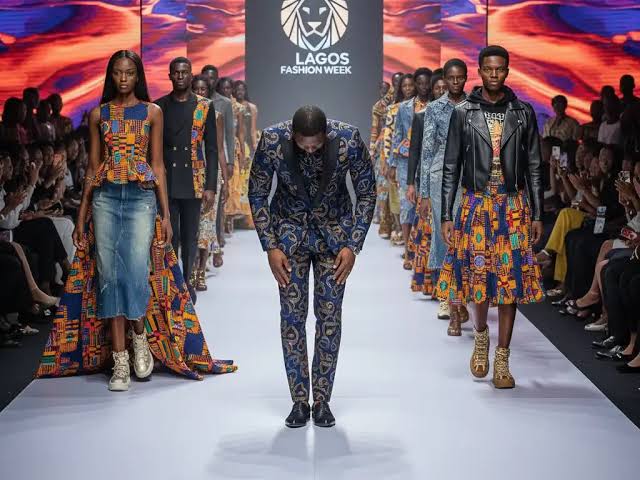
The Evolution of African Fashion and Lifestyle
African fashion and lifestyle have undergone a remarkable transformation over the centuries.
Once rooted primarily in tradition and cultural identity, they have evolved into powerful expressions of creativity, innovation, and global influence. Today, African designers, artists, entrepreneurs, and cultural icons are redefining fashion while preserving the continent’s rich heritage.
From handwoven textiles and symbolic jewelry to luxury fashion houses and digital influencers, African fashion tells stories of resilience, identity, and progress. At the same time, evolving lifestyles across the continent reflect changing social values, technological advancement, urbanization, and economic growth.
This article explores how African fashion and lifestyle have evolved, the factors driving this transformation, and what the future holds for one of the world’s most vibrant creative industries.
The Roots of African Fashion
Long before modern fashion trends emerged, African communities created clothing that reflected their environment, beliefs, and social structures. Every region developed distinctive fabrics, patterns, and styles that communicated age, marital status, occupation, wealth, and community affiliation.
Natural materials such as cotton, leather, raffia, bark cloth, and animal hides formed the basis of traditional clothing. Skilled artisans dyed fabrics using plant extracts, while handwoven textiles became treasured cultural symbols.
Some of Africa’s most celebrated traditional fabrics include:
- Kente cloth from Ghana
- Ankara prints popular across West Africa
- Aso Oke from Nigeria
- Kitenge and Kikoy from East Africa
- Bogolanfini (Mud Cloth) from Mali
- Shweshwe fabric from South Africa
These textiles continue to inspire modern designers who blend traditional craftsmanship with contemporary fashion.
Fashion as a Cultural Identity
Fashion has always been more than clothing in Africa. It represents identity, history, and belonging. Colors, patterns, and accessories often carry symbolic meanings. Certain garments are reserved for weddings, coronations, festivals, religious ceremonies, and rites of passage.
For example:
- Bright colors often symbolize celebration and prosperity.
- White garments may represent peace or spirituality.
- Beaded jewelry can indicate social status or ethnic identity.
- Head wraps express elegance, respect, and cultural pride.
As a result, fashion serves as a visual language that connects generations and preserves cultural heritage.
Colonial Influence and Changing Styles
During the colonial era, European fashion introduced new fabrics, tailoring techniques, and dress codes. Western clothing became associated with education, administration, and formal employment.
Many Africans adopted European-style suits, dresses, and uniforms while continuing to wear traditional attire during cultural celebrations.
Rather than abandoning indigenous fashion, many communities blended foreign influences with local designs. This fusion laid the foundation for today’s unique African fashion identity.
The Rise of Modern African Designers
Over the past three decades, African designers have gained international recognition for their originality and craftsmanship. Instead of copying global trends, they celebrate African stories through contemporary collections that combine local textiles with modern silhouettes.
Many designers focus on:
- Sustainable production
- Handmade craftsmanship
- Ethical sourcing
- Cultural storytelling
- Local manufacturing
- Women’s empowerment
This approach has helped African fashion become more competitive in international markets while supporting local artisans and preserving traditional skills.
African Fashion on the Global Stage
African fashion is no longer confined to local markets. Designers now showcase collections at international fashion weeks, collaborate with global brands, and dress celebrities for major events. African-inspired prints, embroidery, beadwork, and tailoring have become popular worldwide.
International demand has grown because consumers increasingly appreciate:
- Authentic craftsmanship
- Sustainable fashion
- Cultural diversity
- Ethical production
- Unique artistic expression
Consequently, African fashion has become both a cultural movement and an economic opportunity.
The Digital Revolution
Technology has transformed how African fashion reaches consumers. Social media platforms allow designers to showcase collections to millions of people without relying solely on physical stores.
Digital tools have also made it easier for fashion businesses to:
- Sell products online
- Reach international customers
- Build strong personal brands
- Collaborate across borders
- Launch virtual fashion shows
- Market through influencers
Young entrepreneurs are using e-commerce, digital marketing, and mobile payments to grow successful fashion brands from cities such as Lagos, Nairobi, Accra, Kigali, Johannesburg, Cairo, and Dakar.
Sustainability Is Shaping the Industry
Sustainability has become one of the defining characteristics of modern African fashion.
Many designers prioritize environmentally responsible production by using:
- Organic cotton
- Handwoven fabrics
- Natural dyes
- Upcycled materials
- Slow fashion techniques
- Small-batch production
These practices reduce waste while supporting local communities and protecting traditional craftsmanship. Consumers are also becoming more conscious about buying durable, ethically produced clothing instead of fast-fashion items.
Lifestyle Trends Across Africa
As fashion evolves, lifestyles across Africa continue to change rapidly. Urbanization, education, technology, and entrepreneurship have influenced how people live, work, and express themselves.
Several lifestyle trends now define modern Africa.
Wellness and Healthy Living
More Africans are embracing healthier lifestyles through fitness, balanced nutrition, mental wellness, and outdoor activities. Gyms, cycling clubs, running communities, yoga studios, and wellness retreats have become increasingly popular in major cities.
Entrepreneurship
Young Africans are creating businesses in fashion, beauty, technology, agriculture, media, and creative industries. This entrepreneurial mindset has encouraged innovation while creating employment opportunities across the continent.
Digital Living
Smartphones have transformed communication, shopping, education, entertainment, and financial services.
Digital lifestyles now include:
- Online shopping
- Mobile banking
- Remote work
- Content creation
- Online learning
- Digital communities
These technologies have made modern lifestyles more connected and convenient.
Creative Expression
Music, film, photography, dance, interior design, and fashion increasingly intersect.
Creative professionals collaborate across industries to build brands that celebrate African culture while appealing to global audiences.
The Influence of African Youth
Africa has one of the youngest populations in the world, and young people continue to shape fashion and lifestyle trends.
They value:
- Individuality
- Cultural pride
- Innovation
- Sustainability
- Digital creativity
- Entrepreneurship
Young consumers also support brands that reflect their values, engage with communities, and celebrate authentic African identities.
As a result, youth culture has become one of the strongest drivers of industry growth.
Fashion as an Economic Driver
The African fashion industry contributes to economic development by creating jobs throughout the value chain.
Employment opportunities include:
- Textile production
- Cotton farming
- Garment manufacturing
- Tailoring
- Modeling
- Photography
- Fashion journalism
- Retail
- Digital marketing
- Event management
- Logistics
- Export businesses
As investment increases, the sector has the potential to generate even greater economic value while promoting local manufacturing.
Challenges Facing the Industry
Despite its impressive growth, African fashion still faces several obstacles.
Some of the most significant challenges include:
- Limited access to financing
- High production costs
- Inadequate manufacturing infrastructure
- Counterfeit products
- Limited international distribution networks
- Rising import costs
- Skills shortages in specialized manufacturing
Addressing these issues will require stronger public-private partnerships, investment, education, and supportive government policies.
The Future of African Fashion and Lifestyle
The future looks promising. Artificial intelligence, digital design, sustainable manufacturing, and e-commerce are opening new opportunities for African entrepreneurs. Consumers increasingly seek products with meaningful stories, ethical production methods, and cultural authenticity, qualities that many African brands already embody.
Additionally, stronger regional trade, growing creative industries, and expanding digital infrastructure are expected to accelerate the industry’s growth.
As more African designers gain international recognition, the continent will continue influencing global fashion while preserving its rich cultural heritage.
Conclusion
The evolution of African fashion and lifestyle reflects a continent that embraces innovation without losing sight of its traditions. Ancient craftsmanship now meets modern design, while cultural pride blends seamlessly with global trends.
Moreover, technology, sustainability, entrepreneurship, and youthful creativity continue to redefine how Africans dress, live, and express themselves. Although challenges remain, the industry’s resilience and diversity position it for long-term success.
Ultimately, African fashion is more than a style statement. It is a celebration of identity, creativity, and cultural excellence. As the continent continues to evolve, its fashion and lifestyle industries will remain powerful symbols of Africa’s past, present, and future.
Frequently Asked Questions (FAQs)
Why is African fashion becoming more popular globally?
African fashion combines cultural authenticity, handcrafted quality, sustainability, and innovative design, making it attractive to consumers seeking unique and ethical fashion choices.
What are some famous African fabrics?
Popular African fabrics include Kente, Ankara, Aso Oke, Kitenge, Kikoy, Bogolanfini (Mud Cloth), and Shweshwe.
How has technology influenced African fashion?
Technology has enabled designers to sell online, reach global audiences through social media, host virtual fashion shows, and build successful digital brands.
Why is sustainability important in African fashion?
Many African designers use eco-friendly materials, traditional craftsmanship, and small-scale production methods that reduce waste, support local artisans, and preserve cultural heritage.
What does the future hold for African fashion?
The industry is expected to expand through digital innovation, sustainable manufacturing, regional trade, global partnerships, and increasing international demand for authentic African designs.



Leave a reply




Africa’s Source for Breaking News | Entertainments | Health | Finance | Sports | Lifestyle and Business News.


