Video Content Trends Shaping African Media

Video Content Trends Shaping African Media
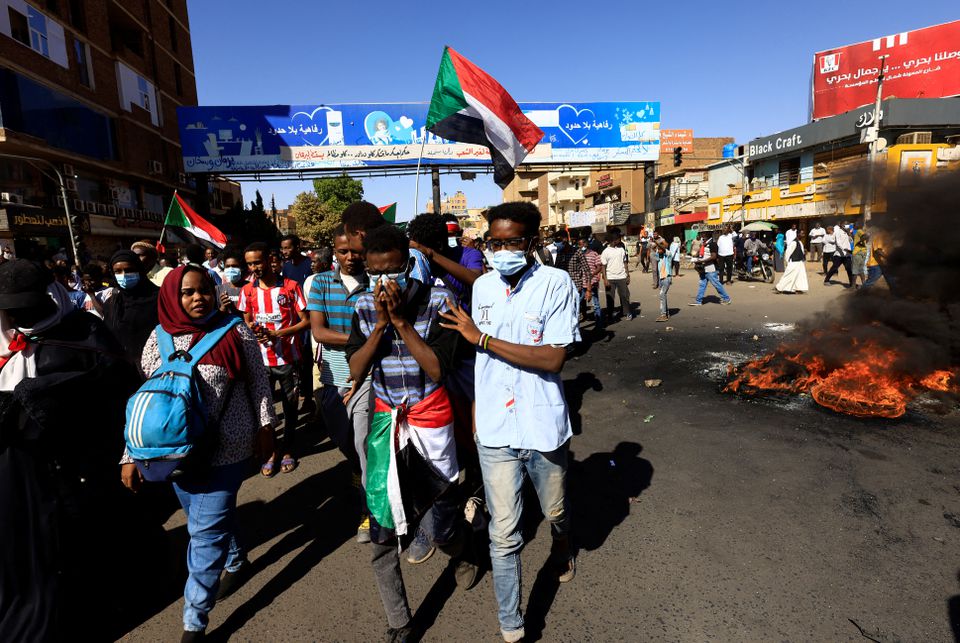
Video content is rapidly changing how African audiences consume news, entertainment, education, advertising, and culture.
The Growth of Short-Form Video
Short-form videos have become one of the most influential formats in African digital media. Platforms such as TikTok, Instagram, YouTube, and Facebook allow creators to communicate ideas within seconds or a few minutes.
This format works particularly well for comedy, lifestyle content, fashion, food, travel, news updates, and educational videos. Creators can also experiment with different storytelling styles without requiring the resources of traditional television production.
African Stories Through Local Perspectives
More creators are producing content that reflects everyday African experiences. Rather than relying entirely on foreign perspectives, filmmakers and digital creators are exploring local communities, traditions, languages, businesses, challenges, and successes.
Nigerian, Ghanaian, Kenyan, South African, Rwandan, Tanzanian, and other African creators are contributing to a broader digital representation of the continent.
This shift allows audiences to see familiar environments and experiences presented from perspectives they can relate to.
The Rise of Creator-Led Media
Individual creators are becoming increasingly influential in African media. A person with a smartphone, basic editing skills, and an internet connection can build an audience without owning a traditional media organization.
Creators are producing commentary, interviews, reviews, tutorials, documentaries, and entertainment programs. Some have developed communities that rival the audiences of established media outlets.
This development is also creating opportunities for young Africans interested in filmmaking, editing, animation, journalism, presenting, and digital marketing.
Mobile-First Production
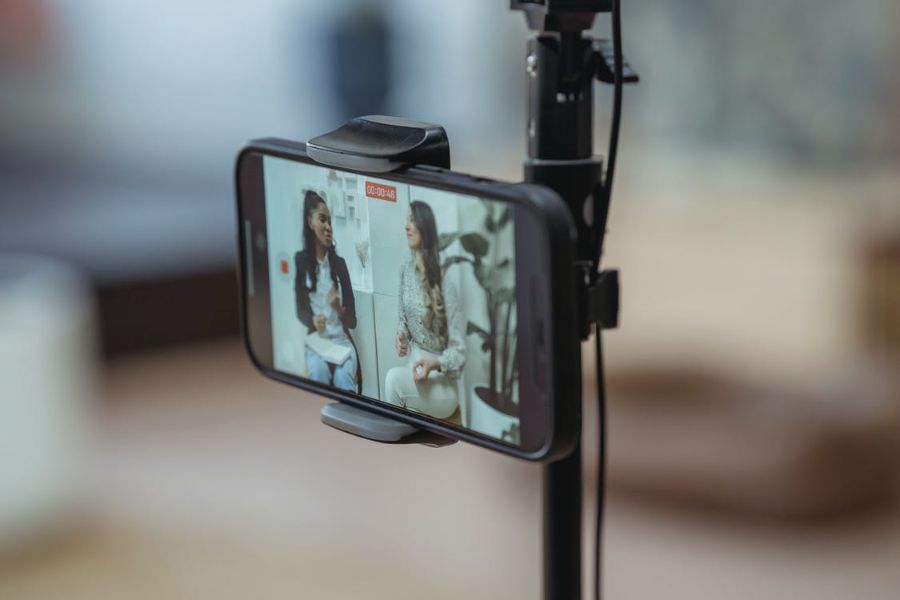
Smartphones have lowered the barriers to video production. Modern devices can capture high-quality footage, while affordable editing applications allow creators to produce polished content from relatively simple setups.
For African creators operating with limited budgets, this is significant. A small production team can now create content without investing heavily in traditional cameras, studios, or broadcasting infrastructure.
Mobile-first production also makes it easier to report events and share information quickly.
The Influence of African Languages
Language is becoming an important part of digital video strategy. Creators are increasingly using indigenous and regional languages alongside English, French, Portuguese, Arabic, and other widely spoken languages.
Local-language content can make videos more accessible and culturally relevant. Subtitles and translations can then help creators reach audiences beyond their immediate linguistic communities.
This combination could make African video content increasingly diverse while allowing successful stories to travel across borders.
The Growing Demand for Educational Content
Video is also becoming an important tool for learning. African creators are producing tutorials, career advice, financial education, technology lessons, business content, and academic explanations.
YouTube and other video platforms allow educators to reach learners who may not have access to traditional training programs.
Short educational videos can also make complex subjects easier to understand by combining demonstrations, graphics, animation, and narration.
Documentary and Human-Interest Storytelling
There is growing potential for documentaries and human-interest videos that explore African communities, history, culture, entrepreneurship, environmental issues, and social change.
These formats can provide deeper storytelling than short social media clips. They also give creators opportunities to preserve cultural knowledge and introduce international audiences to lesser-known African experiences.
Video Advertising and Brand Storytelling
Businesses are increasingly using video to communicate with customers. Instead of relying solely on traditional advertisements, African brands can use product demonstrations, customer stories, behind-the-scenes footage, influencer collaborations, and short social media campaigns.
Video allows businesses to demonstrate products and communicate personality more effectively. For small businesses, authentic and relatable videos can sometimes be more effective than expensive productions.
What Comes Next?
The future of African video media will likely involve a combination of mobile production, short-form storytelling, creator-led platforms, local languages, educational content, and professional filmmaking.
As internet access, smartphones, creative tools, and digital payment systems continue to develop, more African creators will have opportunities to build sustainable media businesses.
The biggest opportunity may not simply be producing more videos. It will be telling distinctive African stories in formats that audiences genuinely want to watch, share, and support.
Understanding Civic Participation
September 13, 2026Traditional Foods That Define Regional Identity
September 13, 2026Africa’s Emerging Role in Global Technology
September 13, 2026
Leave a reply Cancel reply
More News
-
15 Most Mysterious Places in the World
July 10, 2025 -
How Ahmazing Foods Makes Bulk Buying Easier
February 26, 2026 -
Community-Based Food Sharing Explained
March 3, 2026
Latest Posts
-
Understanding Civic Participation
September 13, 2026 -
Video Content Trends Shaping African Media
September 13, 2026 -
Traditional Foods That Define Regional Identity
September 13, 2026 -
Africa’s Emerging Role in Global Technology
September 13, 2026 -
Building Better Work-Life Balance
September 12, 2026
Weekly Podcast
Travel News
-
Culinary Tourism Destinations Worth Exploring
September 12, 2026 -
Affordable Nutrition Tips for Families
September 7, 2026 -
Africa’s Growing Space and Satellite Programs
September 7, 2026
Personal Development
-
Building Better Work-Life Balance
September 12, 2026 -
How to Develop Strong Leadership Skills
September 9, 2026 -
Building a Personal Brand as a Professional
September 6, 2026