
Traditional Foods That Define Regional Identity
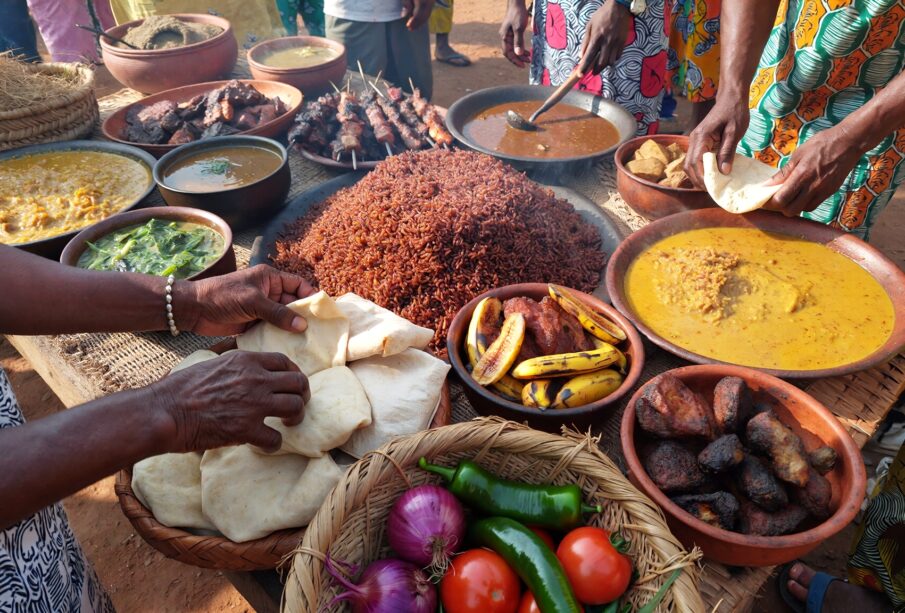
Traditional Foods That Define Regional Identity
Food is more than something people eat to satisfy hunger.
Across Africa, traditional meals carry stories about history, migration, agriculture, family, religion, and community. Recipes passed from one generation to another often become powerful symbols of regional identity.
From Nigerian jollof rice to Ethiopian injera and Moroccan couscous, traditional foods reveal how different communities have adapted to their environments while preserving their cultural heritage. Exploring these foods can therefore provide travelers and food lovers with a deeper understanding of Africa’s diverse identities.
Food as a Reflection of Culture
Traditional food often develops from the ingredients that are readily available in a particular environment. Coastal communities may rely heavily on seafood, while farming communities may build their diets around grains, vegetables, tubers, or livestock.
Over time, cooking techniques and recipes become closely associated with particular communities. Families teach children how to prepare familiar dishes, while celebrations provide opportunities to serve traditional meals to larger groups.
This process allows food traditions to survive even as lifestyles change.
West African Foods and Regional Identity
West Africa has an exceptionally diverse culinary culture. Countries across the region share certain ingredients, yet each community has developed distinctive ways of preparing them.
Nigeria
Nigerian cuisine varies significantly across regions. Jollof rice remains one of the country’s best-known dishes, while soups such as egusi, ogbono, and bitter-leaf soup are important in different communities.
Foods such as pounded yam, tuwo, akara, moi moi, and suya also demonstrate the country’s culinary diversity. Many dishes are closely connected to family gatherings, celebrations, markets, and everyday life.
Ghana
Ghanaian food culture includes dishes such as waakye, banku, kenkey, fufu, red-red, and kelewele. Fish and other locally available ingredients play important roles, particularly in coastal communities.
These meals are not simply recipes. They form part of social experiences where families and friends gather around shared plates.
Senegal
Senegalese cuisine is strongly associated with rice, fish, vegetables, and flavorful sauces. Thieboudienne, often considered a national dish, reflects the importance of seafood and rice in Senegalese food culture.
Yassa and mafé also demonstrate the country’s rich culinary traditions.
East African Culinary Traditions
East Africa offers another fascinating collection of foods shaped by geography, trade, and cultural exchange.
Ethiopia
Ethiopian cuisine is particularly distinctive because of its use of injera, a fermented flatbread traditionally made from teff. Injera commonly serves as both food and a base for accompanying stews and vegetables.
Dishes such as doro wat and various legume-based preparations demonstrate the importance of spices and communal dining in Ethiopian food culture.
Kenya
Kenyan cuisine reflects the country’s many ethnic communities and ecological regions. Ugali, nyama choma, sukuma wiki, and various bean and vegetable dishes are familiar parts of the country’s food landscape.
Along the coast, Swahili cuisine incorporates influences from centuries of interaction across the Indian Ocean. Coconut, seafood, spices, and rice feature prominently in many coastal dishes.
Tanzania and Zanzibar
Tanzanian cuisine varies between inland and coastal communities. Zanzibar is especially known for its spice-rich culinary traditions.
Cloves, cinnamon, cardamom, coconut, seafood, and tropical fruits contribute to the distinctive flavors associated with the islands. These ingredients also reflect the historical trading relationships that connected East Africa with Arabia, India, and other parts of the Indian Ocean world.
North African Foods and Cultural Heritage
North African cuisine demonstrates how food traditions can develop through centuries of cultural exchange.
Morocco
Moroccan cuisine is known for dishes such as couscous, tagine, harira, and pastilla. Spices, dried fruits, olives, vegetables, and meats are combined in ways that produce complex flavors.
Couscous is particularly significant because it is connected to communities across the Maghreb and has long played a role in family meals and celebrations.
Egypt
Egyptian cuisine includes staples such as koshari, ful medames, ta’ameya, and various breads and vegetable dishes. Many of these foods are affordable, filling, and deeply embedded in everyday life.
Street vendors and local restaurants help keep these culinary traditions accessible to new generations.
Southern African Food Traditions
Southern Africa also has a wide range of traditional foods shaped by indigenous knowledge and local agriculture.
In South Africa, dishes such as pap, chakalaka, bobotie, and various meat preparations reflect the country’s complex cultural history. Different communities have contributed ingredients and cooking techniques that continue to influence modern South African cuisine.
Across neighboring countries, maize, beans, vegetables, meat, and indigenous crops remain important parts of traditional diets.
The Role of Indigenous Ingredients
Traditional foods often depend on ingredients that communities have cultivated, gathered, or traded for generations. These may include cassava, millet, sorghum, yams, plantains, teff, fonio, moringa, indigenous vegetables, and a wide variety of spices.
Using local ingredients can also support agricultural communities and preserve knowledge about crops that may be overlooked by modern food systems.
When these ingredients disappear from kitchens, communities can lose more than recipes. They may also lose knowledge about farming, preparation, preservation, and seasonal eating.
Traditional Foods in Modern Africa
African cities are changing rapidly, and eating habits are changing with them. Fast food, international restaurants, packaged products, and modern lifestyles have introduced new choices to consumers.
However, traditional foods continue to evolve rather than simply disappear.
Restaurants are presenting familiar dishes in contemporary ways. Young chefs are experimenting with indigenous ingredients. Food entrepreneurs are packaging traditional products for wider markets. Social media is also helping younger generations discover recipes and cooking techniques that may once have been limited to their communities.
This combination of tradition and innovation can give traditional cuisine a new audience.
Protecting Culinary Heritage
Preserving traditional foods requires more than keeping old recipes. Communities also need to protect the knowledge behind those recipes.
Families can teach younger people traditional cooking methods. Schools and cultural organizations can document local food traditions. Restaurants can incorporate indigenous dishes into their menus. Farmers can continue producing traditional crops and ingredients.
Food festivals and culinary tourism can also create economic opportunities while encouraging communities to celebrate their heritage.
Conclusion
Traditional foods provide a window into regional identity. They reveal what communities grow, how people adapt to their environment, how societies interact, and which traditions have survived across generations.
Across Africa, every region offers distinctive flavors and cooking practices worth discovering. From West African soups and rice dishes to Ethiopian injera, Moroccan couscous, and East African coastal cuisine, these foods demonstrate that cultural identity can live strongly through the meals people prepare and share.
Preserving traditional food therefore means preserving stories, skills, agricultural knowledge, and community identity for future generations.




Leave a reply




Africa’s Source for Breaking News | Entertainments | Health | Finance | Sports | Lifestyle and Business News.


