
Weddings in Somalia
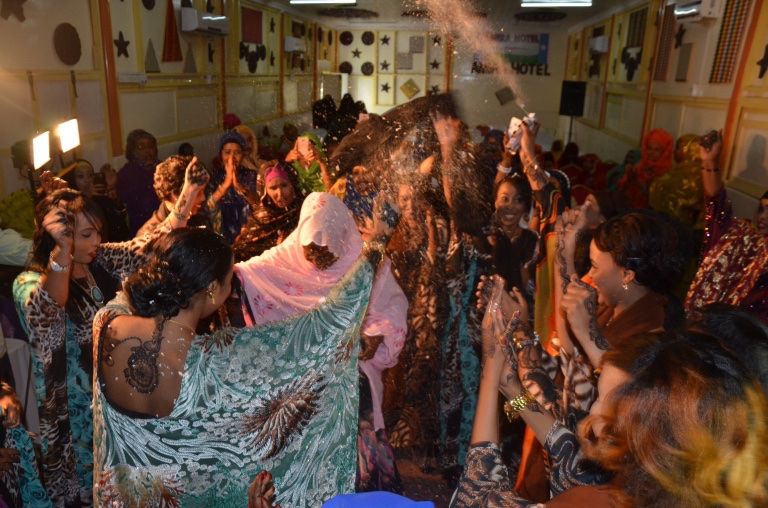
Weddings in Somalia
Weddings in Somalia: Traditions, Costs and Modern Twists
Weddings in Somalia are more than celebrations of love. They represent family unity, cultural identity, religious commitment and the beginning of a new chapter in life. Across Somali communities, marriage brings relatives, friends and neighbours together in an event filled with prayers, traditional music, colourful clothing and generous hospitality.
However, Somali weddings are also changing. While many families continue to honour customs passed down through generations, younger couples are introducing modern fashion, professional photography, social media and new approaches to wedding planning. At the same time, rising living costs and expectations surrounding marriage have encouraged difficult conversations about affordability.
Understanding weddings in Somalia requires looking beyond the celebration itself. The traditions, financial responsibilities and modern influences reveal how Somali society balances cultural heritage with changing lifestyles.
Traditional Somali Wedding Customs and Their Meaning
Somali weddings are strongly influenced by Islam, family relationships and regional customs. Although practices vary between communities, several traditions remain important across much of Somali society.
Marriage Negotiations and Family Involvement
Marriage often begins with conversations between the families of the prospective bride and groom. Depending on the couple’s circumstances and family preferences, relatives may help establish introductions, discuss intentions and clarify expectations.
Family involvement reflects the importance of collective responsibility in Somali culture. Marriage is generally viewed not only as a relationship between two individuals but also as a bond between families.
Nevertheless, the couple’s consent remains essential. Cultural expectations should never replace the right of both individuals to choose whether they wish to marry.
The Nikah and Islamic Traditions
The Islamic marriage contract, known as the nikah, is central to a Muslim Somali wedding. It establishes the marriage in accordance with Islamic principles and includes the agreement of the couple, the required witnesses and the mahr.
The mahr is a marriage gift or financial entitlement given by the groom to the bride. Its form and value depend on the agreement between the parties and their circumstances.
Unlike expenses associated with a large celebration, the mahr has a specific religious and personal significance. It belongs to the bride and should not be confused with money spent on decorations, catering or entertainment.
Families may organise the nikah separately from the larger wedding celebration. In other cases, the ceremony forms part of a broader programme of gatherings and festivities.
Traditional Clothing and Henna
Clothing is an important part of Somali wedding celebrations. Brides may wear elegant dresses, traditional garments or elaborate combinations of contemporary and cultural styles. The dirac, a flowing, colourful dress commonly worn by Somali women, is one familiar example of traditional fashion.
Bridal outfits may feature embroidery, decorative jewellery and carefully selected fabrics. Grooms often wear suits, traditional clothing or a combination of both.
Henna is another recognisable feature of many Somali wedding celebrations. Women may gather for a henna evening, where the bride’s hands and feet are decorated with intricate patterns. Friends and relatives participate in the preparations, creating an atmosphere of excitement and shared celebration.
These gatherings provide opportunities for women to connect, offer advice and celebrate the bride before the marriage ceremony or main reception.
Music, Food and Wedding Celebrations
Somali weddings often involve lively gatherings, although the style of celebration differs according to family preferences, religious interpretations and local customs.
Poetry has a particularly important place in Somali culture. Known for its rich oral traditions, Somali society has long used poetry to express love, praise, humour and social commentary. Wedding celebrations may incorporate spoken poetry, songs and other forms of cultural expression.
Traditional and contemporary music may also feature in wedding festivities, depending on the family’s preferences. Some celebrations are relatively simple and religiously focused, while others include extensive entertainment and organised programmes.
Food is another essential part of Somali hospitality. Guests may be served dishes such as bariis iskukaris, a fragrant rice dish prepared with spices, meat or other ingredients. Other meals may include pasta, sambusas, grilled meat and traditional sweets.
The menu depends on the region, the family’s budget and the type of event. In many households, providing food for guests is an important expression of generosity and respect.
However, hospitality can also create financial pressure. Families may feel compelled to accommodate large guest lists, even when doing so stretches their budgets.
How Much Does a Wedding Cost in Somalia?
There is no single price for a Somali wedding. The total cost depends on the city, guest count, venue, clothing, catering, exchange rates and expectations of the families involved.
A small family gathering can cost considerably less than a large reception in Mogadishu or another major urban centre. Celebrations organised in rural communities may follow different spending patterns, although they can also involve substantial contributions from relatives.
Major Wedding Expenses
1. The mahr: The agreed marriage gift is an important consideration. Its value varies considerably, and couples should discuss it openly rather than treating it as a competition between families.
2. Clothing and beauty preparations: Bridal dresses, traditional garments, jewellery, makeup, hair styling and henna can consume a significant part of the budget. Multiple outfits may increase the expense.
3. Venue and decorations: Some families celebrate at home or in a community setting. Others hire halls, hotels or event spaces and pay for lighting, flowers, seating arrangements and elaborate backdrops.
4. Catering and refreshments: Feeding guests can become one of the largest expenses, particularly when hundreds of people are invited. Food prices, transport and the number of meals served all influence the final bill.
5. Photography and entertainment: Professional photographers, videographers, sound equipment and event organisers are increasingly common additions to modern weddings. These services can improve the experience but also raise costs.
6. Transport and accommodation: Families may need to arrange transport for guests or support relatives travelling from other cities and countries. International travel can make wedding attendance especially expensive.
Because reliable, current nationwide wedding-cost data are limited, quoting one fixed amount would be misleading. Couples should obtain local quotations and calculate their expenses before committing to particular services.
The Financial Pressure Behind Wedding Expectations
Wedding spending can become a sensitive issue when families compare celebrations or feel obliged to meet community expectations. A couple may begin with plans for a modest ceremony but gradually add expenses to avoid disappointing relatives.
The pressure can be especially difficult for young adults who are establishing their careers, supporting their families or living with uncertain incomes.
The wider economic environment also matters. Food prices, imported clothing, venue charges and currency fluctuations can affect wedding budgets. In communities affected by displacement, unemployment or insecurity, even a relatively modest celebration may require considerable planning.
Another challenge is the expectation that a wedding must demonstrate financial success. Expensive decorations, designer clothing and impressive photographs can create the impression that a marriage should begin with a major display of wealth.
Yet a costly celebration does not guarantee a successful marriage. Couples may benefit more from financial stability, honest communication and manageable living expenses than from spending beyond their means for a single day.
Families can help by prioritising the marriage itself and recognising that celebration sizes should reflect what the couple can reasonably afford.
Modern Twists Transforming Somali Weddings
Modern influences are reshaping Somali weddings, particularly among younger couples and families living in urban areas or the diaspora.
Social Media and Digital Wedding Planning
Instagram, TikTok and other platforms have made wedding inspiration more accessible. Couples can explore bridal fashion, decoration ideas, photography styles and event themes from Somalia and around the world.
Social media has also expanded the role of wedding photography. Carefully staged portraits, matching outfits and professionally edited videos are popular ways to document the celebration.
However, online inspiration can create unrealistic expectations. A wedding seen on social media may have a much larger budget than the viewer realises. Couples who imitate every detail risk spending money they cannot comfortably spare.
Fashion Meets Cultural Identity
Contemporary Somali weddings increasingly combine traditional clothing with international fashion trends. A bride might wear a traditional dirac for one part of the celebration and a white wedding gown for another.
Grooms may combine Western-style suits with traditional garments. Jewellery, makeup and accessories also reflect a mixture of local preferences and global influences.
These combinations allow couples to express their personalities without abandoning their cultural identity.
Weddings in the Somali Diaspora
Somali communities in countries such as the United Kingdom, Canada, the United States and Sweden also influence wedding trends.
Diaspora weddings may combine Somali customs with local venue arrangements, international catering options and contemporary event design. Some couples hold celebrations abroad and later organise family gatherings in Somalia.
However, distance can complicate planning. Families must coordinate travel, accommodate different expectations and manage costs across currencies. For some couples, a smaller ceremony followed by a later celebration offers a practical alternative.
Smaller Weddings and Personal Choices
Not every modern twist involves spending more. Some couples are choosing smaller guest lists, simpler decorations and more intimate celebrations.
Others use digital invitations, compare vendor prices online or ask relatives to contribute specific services rather than purchasing everything commercially.
These approaches can preserve meaningful traditions while reducing unnecessary expenses. They also give couples greater control over how their wedding reflects their values.
Conclusion
Weddings in Somalia reflect a culture that values family, faith, hospitality and strong community connections. From the nikah and mahr to henna ceremonies, traditional clothing and shared meals, these celebrations preserve customs that continue to shape Somali identity.
At the same time, social media, global fashion and diaspora experiences are introducing new ways to celebrate marriage. These changes offer opportunities for creativity, but they can also increase financial expectations.
Ultimately, the most meaningful Somali wedding is not necessarily the largest or most expensive. It is one that respects the couple’s choices, honours important traditions and brings loved ones together without creating an unsustainable financial burden.
As Somali society continues to evolve, the challenge is not to choose between tradition and modernity. It is to preserve the values that give weddings their meaning while making room for personal expression, financial responsibility and a more secure beginning to married life.



Leave a reply




Africa’s Source for Breaking News | Entertainments | Health | Finance | Sports | Lifestyle and Business News.


