
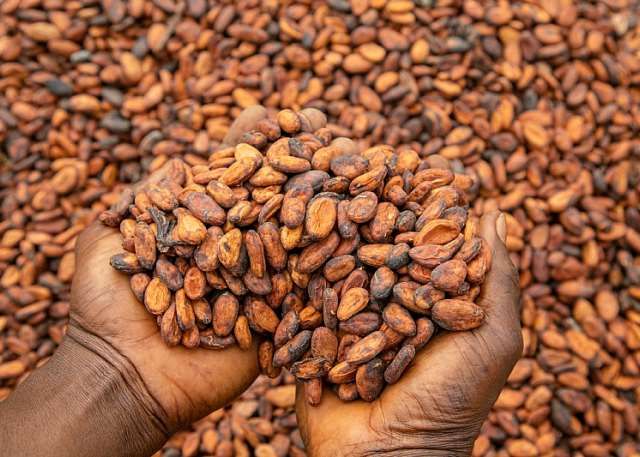
Why Cocoa Value Addition Is Africa's Quiet Goldmine,
Why Cocoa Value Addition Is Africa’s Quiet Goldmine, and How Côte d’Ivoire Fits In
Africa has a valuable resource that continues to leave much of its potential unrealised. It grows the cocoa beans that help produce some of the world’s favourite chocolates. Yet, the biggest profits in the chocolate industry often come from activities that happen after the beans leave African farms. This imbalance presents a major economic opportunity. Cocoa value addition could help African countries create jobs, increase export earnings and build stronger manufacturing industries.
Côte d’Ivoire sits at the centre of this opportunity. As the world’s leading cocoa producer, the West African nation has the agricultural foundation, industry experience and international connections needed to capture more value from its cocoa. However, producing large quantities of beans is only the beginning. The real opportunity lies in transforming those beans into cocoa butter, cocoa powder, chocolate and other finished products.
Understanding Cocoa Value Addition
Cocoa value addition means processing raw cocoa beans into products that command higher prices in local and international markets. Instead of exporting mainly unprocessed beans, producing countries can develop industries that turn cocoa into ingredients and consumer goods.
The process begins with harvesting, fermentation, drying and sorting. After that, processors clean, roast and crack the beans to produce cocoa nibs. Grinding the nibs creates cocoa liquor, which can be pressed to separate cocoa butter from cocoa solids. These materials become essential ingredients in chocolate, cosmetics, pharmaceuticals and food manufacturing.
Further processing creates opportunities to manufacture chocolate bars, cocoa beverages, baking ingredients, confectionery and other retail products. Each stage introduces opportunities for employment, investment and business development.
Consider the difference between exporting a bag of raw cocoa beans and producing a branded chocolate bar for sale in a supermarket. The chocolate bar involves additional processing, packaging, marketing, distribution and retail activity. These stages generate income for more businesses and workers.
Of course, the entire retail price does not become profit for the manufacturer. Businesses must cover production costs, transport, energy, packaging, marketing and taxes. Nevertheless, countries that develop competitive processing industries have more opportunities to retain economic value that would otherwise be created elsewhere.
Why Cocoa Value Addition Is Africa’s Quiet Goldmine
Africa’s cocoa advantage is already well established. Côte d’Ivoire and Ghana are major global producers, while Nigeria and Cameroon also contribute to the continent’s cocoa industry. This production base offers an opportunity to develop a stronger regional manufacturing ecosystem.
First, value addition creates employment beyond farming. Cocoa processing requires factory workers, engineers, technicians, quality-control specialists, packaging professionals and logistics operators. Chocolate manufacturing adds further opportunities in product development, sales, marketing and distribution.
These jobs can support urban economies while strengthening the connection between rural farming communities and industrial centres. Instead of limiting economic activity to planting and harvesting, cocoa can support a much wider network of businesses.
Second, processing can increase export earnings. Raw agricultural commodities often expose producing countries to changing international prices. Developing processed cocoa exports gives businesses access to additional markets and product categories. Although processed products face their own price pressures, they can diversify a country’s export portfolio.
Third, value addition supports local businesses. A growing cocoa industry creates demand for packaging materials, machinery maintenance, transportation, warehousing and business services. Local suppliers can benefit when factories purchase more inputs domestically rather than importing everything.
Fourth, it encourages skills development and technology transfer. Modern processing plants need people who understand food safety, manufacturing systems, product testing and industrial management. These capabilities can also support other sectors, helping African economies build broader manufacturing expertise.
Finally, value addition can strengthen Africa’s position in global supply chains. Countries that export both raw materials and finished products have more ways to participate in international trade. Rather than remaining primarily suppliers of agricultural inputs, they can become recognised manufacturers and brands.
The goldmine, therefore, is not simply cocoa itself. It is the network of industries, skills and commercial opportunities that cocoa can support.
Côte d’Ivoire: The Centre of Africa’s Cocoa Opportunity
Côte d’Ivoire is particularly important because its cocoa industry already operates on a scale that many other African producers cannot easily match. The country supplies a substantial share of global cocoa beans and has spent decades building relationships with international traders, processors and chocolate manufacturers.
This position provides several advantages. Reliable access to cocoa supplies can attract processing companies, while established export infrastructure helps connect factories to overseas markets. Experience in cocoa trading also gives local businesses a foundation for moving into more sophisticated activities.
Côte d’Ivoire has already developed cocoa-processing capacity, including facilities that transform beans into intermediate products such as cocoa butter, liquor and powder. This matters because the country is not starting from zero. It can build on existing industrial activity rather than attempting to create an entire industry overnight.
However, processing cocoa into ingredients is different from producing internationally competitive chocolate brands. Cocoa butter and powder are valuable industrial inputs, but finished consumer products can capture additional commercial opportunities through product design, branding, distribution and customer loyalty.
Côte d’Ivoire could expand its position by developing more locally owned chocolate manufacturers, supporting smaller confectionery businesses and encouraging partnerships between domestic entrepreneurs and established international companies.
The country could also serve as a regional processing hub. With efficient transport and trade arrangements, cocoa from neighbouring producing countries could support manufacturing networks that supply African consumers and overseas markets.
Its success would demonstrate that Africa can move further up the value chain without abandoning its agricultural strengths.
The Challenges Standing Between Cocoa and Greater Wealth
Despite the opportunity, cocoa value addition is not an automatic route to prosperity. Several obstacles can make processing expensive and difficult.
Energy costs are a major concern. Cocoa factories require dependable electricity for roasting, grinding, pressing, refrigeration where needed and packaging. Unreliable power can interrupt production, damage equipment and increase operating expenses.
Financing presents another challenge. Industrial processing facilities require significant investment in machinery, buildings, skilled workers and quality-control systems. Small businesses may struggle to obtain affordable long-term loans, particularly when lenders consider manufacturing too risky.
International competition also matters. Established chocolate-producing countries have sophisticated factories, recognised brands, extensive distribution networks and decades of market experience. African manufacturers must compete on quality, consistency, price and customer trust.
Access to markets can be equally difficult. Producing an excellent chocolate bar means little if a company cannot secure supermarket shelf space, maintain distribution or convince consumers to try the product. Exporting finished goods also requires compliance with food safety, labelling and other market-specific regulations.
Meanwhile, cocoa farmers must not be forgotten. A profitable processing industry does not automatically guarantee better incomes for producers. If farmers continue to face high production costs and weak bargaining power, the benefits of industrial expansion may remain concentrated among larger companies.
Value addition must therefore create stronger connections between manufacturers and farming communities. Fairer purchasing arrangements, transparent supply chains and investment in farm productivity can help distribute the benefits more widely.
How Côte d’Ivoire Can Unlock More Value
The first priority should be to make existing processing operations more competitive. Reliable electricity, efficient ports, improved roads and modern industrial infrastructure can reduce production costs and encourage investment.
Second, the government and private sector should support domestic manufacturers. Affordable financing, technical training, food-processing research and business-development programmes can help local entrepreneurs enter the market. Support should reward productivity and innovation rather than protect inefficient companies indefinitely.
Third, Côte d’Ivoire should encourage the development of African chocolate brands. Companies can begin with products designed for regional tastes, including chocolate beverages, confectionery and baking ingredients. They can then expand into premium products for international consumers.
Regional trade offers another advantage. The African Continental Free Trade Area could help manufacturers reach more customers across the continent, provided that trade barriers, transport problems and inconsistent regulatory requirements are addressed.
Finally, the country should invest in traceability and sustainable production. International buyers increasingly pay attention to sourcing practices, environmental standards and product quality. Better traceability can help manufacturers demonstrate where their cocoa comes from and strengthen relationships with responsible buyers.
What the Rest of Africa Can Learn
Côte d’Ivoire’s experience offers lessons for other cocoa-producing countries, including Ghana, Nigeria and Cameroon. Each country can develop processing capacity according to its resources, energy costs, domestic market and access to export routes.
Regional cooperation could also help. Countries can share technical expertise, improve transport connections and develop complementary manufacturing industries. One market might specialise in cocoa ingredients, while another builds strength in packaging, confectionery or distribution.
Governments should also avoid measuring success solely by the number of factories established. More meaningful indicators include the value of processed exports, the number of sustainable jobs created, local ownership, farmer incomes and the competitiveness of finished products.
The objective is not to stop exporting raw cocoa entirely. Raw bean exports will remain important for farmers and traders. The goal is to create more profitable options so that African producers can participate in additional stages of the global cocoa economy.
Conclusion: Africa Must Earn More From What It Already Produces
Cocoa value addition represents a significant opportunity for Africa to turn agricultural strength into industrial growth. It can create jobs, encourage innovation, expand exports and support local businesses. Yet these benefits require investment, competitive production, reliable infrastructure and policies that include farmers.
Côte d’Ivoire has a head start because of its enormous cocoa supply, established export relationships and existing processing industry. Its next challenge is to convert those advantages into more finished products, stronger domestic companies and a larger share of the industry’s commercial rewards.
Africa does not need to discover another natural resource to unlock this opportunity. It already grows the beans. The question is whether it can build the factories, brands and distribution networks needed to capture more of their value.
After all, there is something remarkable about exporting the ingredients for the world’s chocolate industry while leaving so much of the finished-product business to others. Côte d’Ivoire has an opportunity to change that story, and the rest of Africa should be paying attention.




Leave a reply





Africa’s Source for Breaking News | Entertainments | Health | Finance | Sports | Lifestyle and Business News.


