
Young Creatives Transforming Industries
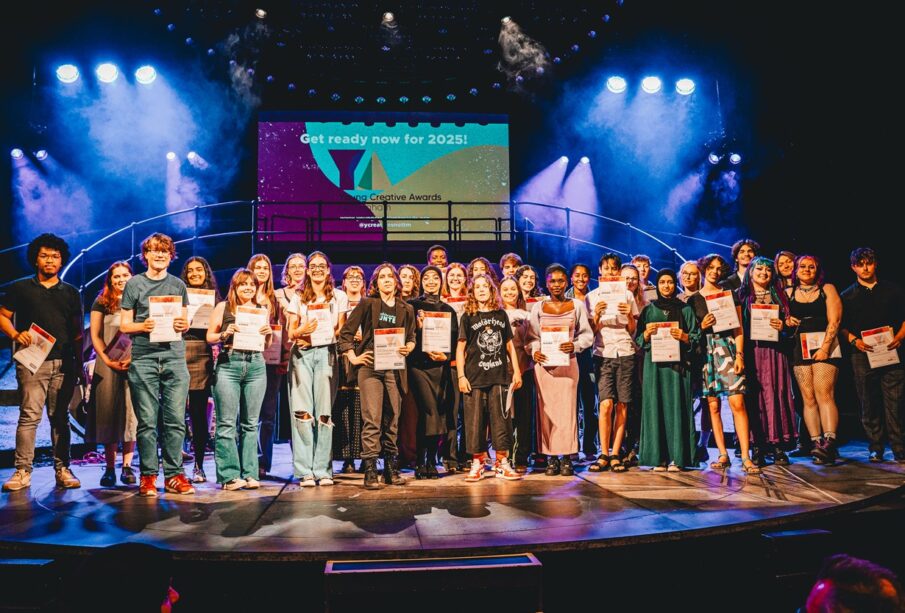
Young Creatives Transforming Industries
Creativity has become one of the world’s most valuable resources.
In an era driven by innovation, young creatives are no longer confined to traditional careers in art, music, or design. They are disrupting industries, launching successful businesses, influencing consumer behavior, and developing solutions to complex social and economic challenges. Across Africa and around the globe, a new generation of creative thinkers is proving that imagination, combined with technology and determination, can reshape entire sectors.
Whether in fashion, technology, entertainment, architecture, agriculture, marketing, or education, young creatives are bringing fresh perspectives that challenge conventional approaches. Their ability to adapt quickly, embrace digital tools, and understand evolving consumer needs has made them key contributors to economic growth and social development.
The Rise of the Creative Economy
The creative economy has expanded significantly over the past decade. Increased internet access, affordable smartphones, digital payment systems, and social media platforms have opened doors for talented individuals to reach audiences far beyond their local communities.
Today, creative work extends beyond painting, music, and writing. It includes graphic design, digital illustration, animation, filmmaking, photography, content creation, app development, game design, user experience (UX) design, branding, and digital marketing. These fields generate employment, encourage entrepreneurship, and contribute billions of dollars to economies worldwide.
Young people are at the center of this transformation, using creativity to build businesses and create value in ways that were unimaginable just a generation ago.
Technology Has Changed the Playing Field
Technology has democratized creativity by making professional tools more accessible than ever before. A young entrepreneur with a laptop and an internet connection can now design a product, market it through social media, sell it via an online store, and receive payments digitally without needing a physical office. Artificial intelligence, cloud computing, mobile applications, and affordable creative software have significantly lowered barriers to entry.
This accessibility has empowered countless young creatives to compete in international markets while remaining based in their home countries.
Transforming the Fashion Industry
Fashion has become one of the fastest-growing creative industries led by young innovators. Emerging designers are combining traditional craftsmanship with modern aesthetics to create unique clothing, footwear, and accessories that appeal to both local and international audiences.
Across Africa, locally sourced fabrics and indigenous designs are being reimagined into contemporary fashion collections. By embracing sustainable production methods and promoting cultural heritage, these designers are creating jobs for artisans, textile producers, photographers, stylists, and marketers while preserving traditional skills.
Digital platforms have further enabled independent fashion brands to showcase their collections globally without relying solely on conventional retail channels.
Redefining Entertainment and Media
Young creatives are also revolutionizing the entertainment industry through music, film, podcasting, animation, gaming, and digital content creation.
Social media platforms and streaming services have made it possible for musicians, filmmakers, comedians, and storytellers to connect directly with audiences. Many creators now build loyal communities online, earning income through advertising, sponsorships, subscriptions, merchandise, and live events.
This direct relationship with audiences has reduced dependence on traditional gatekeepers and encouraged more diverse voices and authentic storytelling.
Innovation in Digital Marketing
Businesses increasingly rely on creative professionals to capture consumer attention in crowded markets. Young marketers, designers, videographers, and content strategists understand digital trends and audience behavior better than many established organizations.
Creative campaigns that utilize storytelling, short-form videos, interactive graphics, influencer partnerships, and data-driven strategies often outperform conventional advertising methods.
As brands seek meaningful engagement rather than simple promotion, creative professionals have become indispensable partners in business growth.
Driving Innovation Through Entrepreneurship
Many young creatives are transforming their talents into successful enterprises. Rather than waiting for employment opportunities, they are creating startups that solve practical problems while generating income.
Examples include:
- Digital design agencies
- Creative consulting firms
- Photography and videography studios
- Educational technology platforms
- Mobile application development companies
- Sustainable product businesses
- Online learning platforms
- Branding and marketing agencies
These ventures not only provide employment for their founders but also create opportunities for others, contributing to broader economic development.
The Power of Collaboration
Modern creativity thrives on collaboration. Designers work with software developers, filmmakers collaborate with musicians, writers partner with illustrators, and entrepreneurs engage digital marketers to expand their reach.
Such partnerships combine diverse expertise, leading to innovative products and services that better meet market demands. Collaboration also enables small businesses to compete more effectively by pooling resources and sharing knowledge.
Social Media as a Business Tool
Social media has evolved into a powerful platform for business development. Young creatives use these platforms to showcase portfolios, build personal brands, interact with audiences, and attract clients from around the world.
Instead of relying exclusively on traditional advertising, many creatives use educational content, behind-the-scenes videos, tutorials, customer testimonials, and storytelling to establish trust and demonstrate expertise.
This approach has enabled countless independent professionals to build sustainable careers with relatively modest startup costs.
Women Leading Creative Transformation
Young women are making significant contributions across creative industries. They are launching fashion brands, producing films, developing digital products, managing media companies, and leading innovative marketing agencies.
Their growing influence is expanding opportunities for future generations while promoting greater diversity and inclusion within the creative economy.
Supportive networks, mentorship programs, and access to digital education continue to strengthen women’s participation across multiple industries.
Creativity Solving Community Challenges
Creativity is not limited to entertainment or commercial success. Many young innovators are applying creative thinking to address pressing social issues.
Projects involving renewable energy, waste recycling, digital healthcare, educational technology, financial inclusion, and agricultural innovation demonstrate how creative problem-solving can improve lives and strengthen communities.
These initiatives illustrate that creativity can serve both economic and social objectives simultaneously.
Challenges Facing Young Creatives
Despite growing opportunities, several obstacles continue to hinder progress.
Common challenges include:
- Limited access to funding
- High equipment and software costs
- Inconsistent electricity supply
- Limited business management training
- Copyright infringement
- Difficulty accessing international markets
- Limited mentorship opportunities
- Economic uncertainty
Addressing these challenges will require stronger collaboration between governments, educational institutions, private investors, and industry organizations.
Skills That Will Shape the Future
As industries evolve, successful creatives will increasingly combine artistic talent with practical business skills.
Some of the most valuable capabilities include:
- Graphic and visual design
- Motion graphics and animation
- Artificial intelligence literacy
- Branding and identity development
- Digital marketing
- User experience (UX) design
- Storytelling
- Financial management
- Communication
- Project management
Continuous learning and adaptability will remain essential as technology continues to reshape creative industries.
The Economic Importance of Creative Industries
Creative industries contribute significantly to national development by generating employment, attracting tourism, preserving cultural heritage, encouraging innovation, and increasing exports.
Governments that invest in creative education, digital infrastructure, intellectual property protection, and entrepreneurial support create environments where young innovators can thrive.
As creative enterprises expand, they stimulate growth across related sectors including manufacturing, logistics, retail, hospitality, education, and technology.
Looking Ahead
The future belongs to individuals who can combine creativity with innovation. Young creatives are uniquely positioned to respond to changing consumer expectations, emerging technologies, and evolving global markets.
Artificial intelligence, virtual reality, augmented reality, digital commerce, and advanced content creation tools will continue to create exciting opportunities for those willing to embrace change.
By investing in skills, building strong professional networks, and focusing on continuous improvement, young creatives will play an increasingly important role in shaping sustainable economic growth.
Conclusion
Young creatives are transforming industries by turning ideas into practical solutions, businesses, and cultural movements. Their influence extends far beyond traditional creative fields, touching technology, education, healthcare, agriculture, finance, marketing, and manufacturing.
Through innovation, resilience, and entrepreneurship, they are redefining what is possible and proving that creativity is one of the most valuable resources of the twenty-first century. As access to technology and global markets continues to improve, the impact of young creatives will only become more significant, inspiring future generations to imagine boldly and build confidently.




Leave a reply




Africa’s Source for Breaking News | Entertainments | Health | Finance | Sports | Lifestyle and Business News.


