
African Communities Leading Conservation Efforts
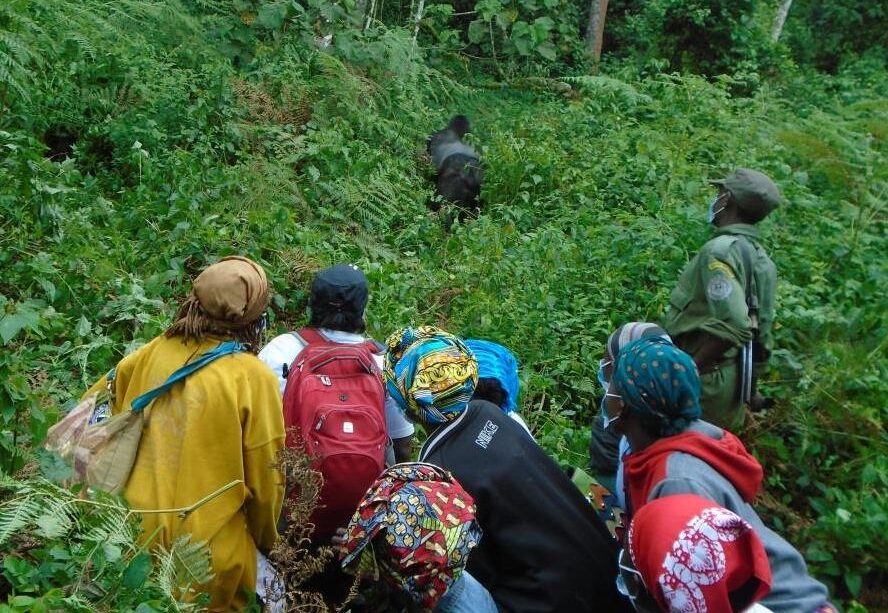
African Communities Leading Conservation Efforts
Africa is home to some of the world’s most remarkable wildlife, forests, wetlands, grasslands, and marine ecosystems.
These natural resources support millions of people while providing food, water, employment, and cultural value. However, pressures such as climate change, habitat loss, illegal hunting, deforestation, and rapid urbanisation continue to threaten many ecosystems.
Governments and international organisations often receive attention for conservation projects, yet local communities play an equally important role. Across the continent, residents are developing practical ways to protect wildlife and natural resources while improving their own livelihoods.
Community-led conservation places local people at the centre of environmental protection. Instead of treating communities simply as beneficiaries, these initiatives recognise residents as custodians of the land and valuable partners in protecting biodiversity.
Why Community Conservation Matters
People living close to forests, parks, rivers, and wildlife habitats often understand their environment better than outsiders. Generations of experience can provide valuable knowledge about animal behaviour, seasonal changes, water sources, plants, and local ecosystems.
When communities participate in conservation, environmental protection can become part of everyday economic and social life. Residents may have stronger incentives to protect forests or wildlife when they directly benefit from sustainable tourism, agriculture, fishing, or other conservation-related activities.
Community involvement can also reduce conflicts between people and conservation authorities. Local participation gives residents an opportunity to contribute to decisions that affect their land and livelihoods.
Protecting Wildlife Through Local Action
Several African communities have developed conservation programmes that involve residents in protecting wildlife. Community scouts, local rangers, traditional leaders, farmers, and young people can all contribute to these efforts.
In areas where elephants, lions, rhinos, or other wildlife live close to settlements, residents may help report illegal activities and monitor animals. Early-warning systems can also help communities respond when wildlife enters farmland or residential areas.
Such approaches can make conservation more effective because local residents are often among the first people to notice changes in their surroundings.
Community Forest Protection
Forests provide timber, food, medicinal plants, clean water, and protection against soil erosion. Unfortunately, uncontrolled logging, agricultural expansion, mining, and charcoal production have contributed to forest loss in several parts of Africa.
Communities are responding by establishing local forest-management systems. Residents may organise tree-planting campaigns, protect important forest areas, regulate resource collection, or promote sustainable farming practices.
In parts of West and Central Africa, traditional knowledge about useful plants and forest resources can also support sustainable management. Protecting these ecosystems preserves biodiversity while maintaining resources that communities depend on.
Conservation and Sustainable Livelihoods
Successful conservation cannot ignore people’s economic needs. A community struggling to meet basic needs may find it difficult to prioritise environmental protection.
For this reason, many community conservation programmes connect environmental goals with income-generating opportunities. Beekeeping, ecotourism, sustainable agriculture, handicrafts, aquaculture, and responsible fishing can provide alternatives to activities that damage ecosystems.
Ecotourism is particularly important in some wildlife-rich regions. When local residents earn income from guiding, accommodation, transportation, crafts, food services, or cultural experiences, protecting wildlife can become economically valuable.
Protecting Africa’s Marine Ecosystems
Community conservation is not limited to forests and savannahs. Coastal communities across Africa are also contributing to marine conservation.
Fishing communities can help protect marine habitats by supporting responsible fishing practices, respecting seasonal restrictions, and reducing destructive fishing methods. Local groups may also participate in mangrove restoration and beach-cleaning initiatives.
Mangrove forests are especially valuable because they provide breeding grounds for fish, protect coastlines, and store carbon. Community-led restoration can therefore deliver environmental and economic benefits at the same time.
Traditional Knowledge Has a Role to Play
African communities possess extensive traditional knowledge about their natural environments. Indigenous practices can provide useful lessons about sustainable resource management, wildlife behaviour, agriculture, and water conservation.
For example, traditional rules may determine when certain resources can be harvested or which areas should remain protected. In some communities, sacred forests and culturally important landscapes have survived because of long-standing local traditions.
Modern conservation programmes can benefit from this knowledge when it is respected and combined with scientific research.
Women and Young People Are Important Conservation Leaders
Women and young people are increasingly contributing to environmental initiatives across Africa.
Women often play major roles in agriculture, household resource management, food production, and community organisations. Their involvement can therefore influence how water, forests, land, and other resources are managed.
Young people bring another valuable resource: creativity. Through environmental clubs, social media campaigns, clean-up programmes, conservation education, and technology, young Africans are finding new ways to promote environmental awareness.
Schools can also introduce conservation programmes that help children understand the connection between healthy ecosystems and community wellbeing.
Technology Is Strengthening Community Conservation
Digital tools are creating new opportunities for local conservation groups. Smartphones can help residents report illegal activities, record wildlife sightings, monitor environmental changes, and communicate with conservation organisations.
Satellite imagery and mapping technologies can also help communities identify changes in forests, wetlands, farmland, and coastlines.
However, technology works best when local knowledge remains part of the process. Digital information can strengthen community decisions, but it should not replace the experience of people who have lived in these environments for generations.
The Challenges Communities Face
Community-led conservation still faces significant challenges. Funding shortages can limit the ability of local organisations to maintain projects or employ conservation workers.
Land rights can create another difficulty. Communities may become frustrated when conservation decisions are made without adequate consultation or when residents feel excluded from resources found on their traditional lands.
Human-wildlife conflict is also a serious concern. Farmers may lose crops when elephants, hippos, monkeys, or other animals enter agricultural areas. Conservation programmes must therefore address both environmental protection and the realities faced by local households.
Long-term success requires fair participation, transparent decision-making, reliable funding, and respect for community rights.
Building a Stronger Conservation Future
Africa’s conservation future will depend on cooperation. Governments, local communities, researchers, conservation organisations, businesses, and international partners all have roles to play.
The most effective programmes are likely to be those that recognise local residents as partners rather than spectators. Communities need opportunities to influence decisions, benefit from conservation, and develop sustainable livelihoods.
Protecting Africa’s natural environment is not only about saving endangered animals. It is also about securing clean water, fertile soil, food sources, jobs, cultural heritage, and healthy communities.
Across the continent, local people are already demonstrating that conservation can become part of everyday community life. Their efforts show that protecting nature does not always begin with a large organisation or an expensive project. Sometimes, it begins with residents deciding to protect the forest nearby, restore a damaged wetland, report illegal activity, plant trees, or teach the next generation to value nature.
Conclusion
African communities are playing a vital role in protecting the continent’s natural heritage. From wildlife conservation and forest protection to marine restoration and sustainable livelihoods, local initiatives are helping create practical solutions to environmental challenges.
Their contribution deserves greater recognition and support. When communities have a meaningful voice, secure rights, access to resources, and a clear reason to protect their environment, conservation becomes more sustainable.
Africa’s natural treasures belong not only to the present generation but also to those who will inherit the continent in the future. Empowering communities today can help ensure that forests remain standing, wildlife continues to thrive, and ecosystems continue supporting African communities for generations to come.




Leave a reply






Africa’s Source for Breaking News | Entertainments | Health | Finance | Sports | Lifestyle and Business News.


