
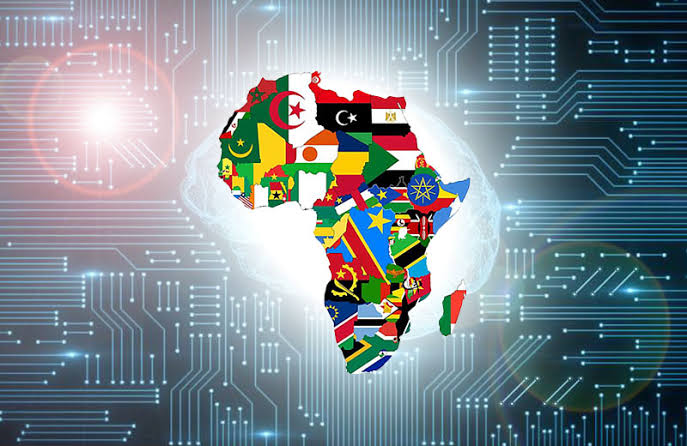
Africa's Emerging Role in Global Technology
Africa is becoming an increasingly important participant in the global technology landscape.
For years, discussions about technology on the continent often focused on challenges such as limited infrastructure, expensive internet access, and inadequate digital skills. Today, however, Africa is increasingly recognized for its growing technology ecosystem, innovative startups, expanding digital economy, and young population.
From financial technology and telecommunications to artificial intelligence, e-commerce, health technology, and renewable energy, African innovators are developing solutions to local problems while creating products with international potential.
A Young Population Driving Innovation
Africa has one of the youngest populations in the world. This demographic advantage provides a large pool of potential technology users, entrepreneurs, developers, designers, and digital professionals.
Young Africans are increasingly learning skills such as software development, data analysis, cybersecurity, digital marketing, animation, and artificial intelligence. Online courses, technology communities, boot camps, and remote-work opportunities are also making it easier for people to develop skills outside traditional educational institutions.
As this talent pool expands, African professionals can contribute to technology projects both within the continent and internationally.
The Growth of African Fintech
Financial technology has become one of Africa’s most visible technology success stories.
Mobile money and digital payment platforms have helped millions of people access financial services without relying entirely on traditional banking infrastructure. Fintech companies are also developing solutions for digital payments, savings, lending, insurance, international transfers, and business transactions.
Nigeria, Kenya, South Africa, Egypt, Ghana, and other markets have developed active fintech ecosystems. Their growth demonstrates how African technology companies can respond to specific challenges and develop solutions with wider applications.
Expanding Startup Ecosystems
Technology startups are emerging across several African cities. Entrepreneurs are creating businesses that address challenges in agriculture, logistics, healthcare, education, commerce, transportation, and financial services.
Innovation hubs, incubators, accelerators, universities, and technology communities are helping some of these businesses access mentorship, funding, and technical resources.
Although startup funding can be difficult to secure, the continued development of local ecosystems is creating stronger foundations for future innovation.
Africa and Artificial Intelligence
Artificial intelligence could become another major area of African technological growth.
African researchers and entrepreneurs are exploring AI applications in areas such as healthcare, agriculture, education, language translation, customer service, and financial services.
One major opportunity is developing AI systems that understand African languages, cultures, markets, and social environments. Local datasets and locally relevant applications could help address problems that global systems may not fully understand.
At the same time, responsible AI development will require attention to privacy, cybersecurity, misinformation, employment disruption, and unequal access to advanced technology.
Technology in Agriculture
Agriculture remains an important part of many African economies, making agricultural technology particularly significant.
Farmers can increasingly use digital platforms to access weather information, market prices, agricultural advice, financial services, and information about farming techniques.
Technology can also support supply-chain management and help connect farmers with buyers. Drones, sensors, satellite imagery, and data analytics may further improve agricultural decision-making where the necessary infrastructure exists.
These developments could help make African agriculture more productive and better connected to regional and international markets.
Digital Infrastructure Will Shape the Future
Africa’s technology ambitions depend heavily on infrastructure.
Reliable electricity, affordable broadband, mobile networks, data centers, cloud services, and undersea internet connections are essential for a strong digital economy.
As infrastructure improves, more businesses will be able to operate digitally and more individuals will gain access to online education, employment, financial services, and international markets.
Governments and private companies therefore have an important role to play in expanding infrastructure while keeping digital services affordable.
Africa’s Growing Role in Global Remote Work
Remote work is creating another pathway for African professionals to participate in the global economy.
A skilled designer, developer, writer, marketer, analyst, or customer-support professional can potentially work for an international company without relocating abroad.
This creates opportunities for individuals and businesses while allowing international organizations to access Africa’s growing talent pool.
However, professionals will need strong digital skills, reliable connectivity, competitive portfolios, and knowledge of international business standards to take full advantage of these opportunities.
Building Technology for African Markets
One of Africa’s greatest technological advantages may be its ability to innovate around constraints.
Businesses often need to create solutions that work with limited resources, inconsistent infrastructure, diverse languages, and different consumer behaviors.
This has encouraged entrepreneurs to develop practical solutions around mobile payments, informal commerce, transportation, logistics, and financial inclusion.
Some of these innovations can eventually become useful beyond Africa, particularly in other emerging markets facing similar challenges.
Challenges That Must Be Addressed
Africa’s technological progress still faces significant obstacles.
The digital divide remains a major concern. Many communities lack reliable internet, electricity, affordable devices, or adequate digital skills. Cybersecurity threats are also growing as more economic activities move online.
There are additional concerns around access to investment, regulatory uncertainty, intellectual property protection, and the movement of skilled professionals to other regions.
Addressing these challenges will require cooperation between governments, businesses, educational institutions, investors, and technology communities.
Conclusion
Africa’s role in global technology is moving beyond consumption toward innovation, entrepreneurship, and technological leadership.
The continent’s young population, growing digital markets, expanding startup ecosystems, and increasing pool of technology talent provide a strong foundation for future growth. Fintech has already demonstrated what African innovation can achieve, while artificial intelligence, agricultural technology, health technology, education technology, and digital commerce offer additional opportunities.
Africa may not follow exactly the same technological path as other regions. Instead, its greatest contribution could come from developing practical innovations that respond to local realities and eventually influence markets around the world.
The next phase of Africa’s technology story will depend on how effectively the continent turns its talent, creativity, and growing digital infrastructure into sustainable innovation.




Leave a reply




Africa’s Source for Breaking News | Entertainments | Health | Finance | Sports | Lifestyle and Business News.


