
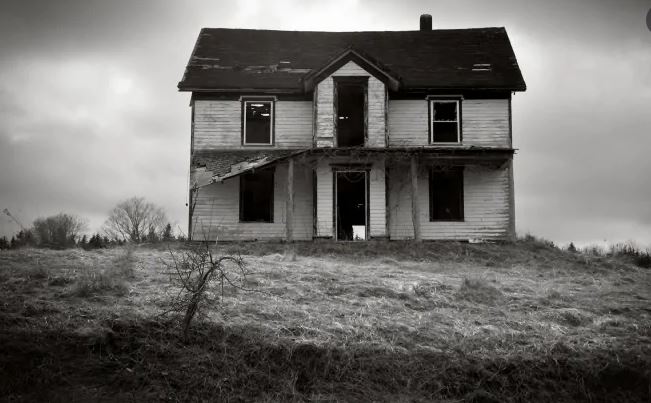
Africa's Most Haunted Locations and Legends
Africa is home to ancient cities, abandoned buildings, historic battlefields, sacred forests, and remote landscapes surrounded by fascinating stories.
Over generations, some of these places have become associated with ghosts, spirits, unexplained events, and supernatural legends.
Although many haunting stories cannot be scientifically verified, they remain an important part of local folklore and cultural history. They also reveal how communities remember tragedy, preserve traditions, and explain mysterious experiences.
Here are some of Africa’s most famous locations associated with haunting legends.
1. The Castle of Good Hope, South Africa
Located in Cape Town, the Castle of Good Hope is one of South Africa’s oldest surviving colonial buildings. Constructed in the 17th century, the fortress has a long history involving military activity, imprisonment, conflict, and death.
Several ghost stories have become associated with the castle. One famous legend involves the appearance of a tall figure said to walk around the fortress. Other stories describe unexplained footsteps, strange sounds, and sightings in different sections of the building.
Today, the castle is a major historical attraction. Its supernatural reputation has also made it popular with visitors interested in South African history and folklore.
2. The Slave House of Gorée Island, Senegal
Gorée Island, located off the coast of Dakar, carries memories of the transatlantic slave trade. The island’s historic buildings, particularly the House of Slaves, have become powerful symbols of this painful period.
Rather than relying only on traditional ghost stories, the site’s haunting quality comes from its history. Visitors often describe the atmosphere as emotionally heavy because of the suffering experienced by enslaved people who passed through the island.
Stories surrounding the island sometimes connect its old buildings and dungeons with restless spirits. These accounts remain part of the wider folklore surrounding Gorée.
3. The Forests of Aokigahara? No — Africa Has Its Own Sacred Forest Legends
Across Africa, several forests are associated with spirits, mysterious creatures, and supernatural encounters. Sacred forests in countries such as Nigeria, Ghana, Benin, and Togo have traditionally been treated with great respect.
Some communities believe particular forests are inhabited by spirits or supernatural beings. People may avoid entering certain areas at night, while others follow specific cultural rules when visiting.
These beliefs demonstrate that a location does not need a conventional haunted-house story to inspire fear. For many communities, forests have spiritual significance that stretches back generations.
4. The Island of Mozambique
The historic Island of Mozambique has witnessed centuries of trade, migration, conflict, and colonial rule. Its old stone buildings and narrow streets have inspired numerous stories about supernatural activity.
Some local legends connect abandoned structures with spirits of people who died during difficult periods in the island’s history. The combination of old architecture, nighttime silence, and centuries of stories gives the island an atmosphere that easily fuels ghost tales.
Beyond the legends, the island remains an important cultural and historical destination.
5. The Pyramids and Ancient Sites of Egypt
Egypt’s ancient monuments have inspired supernatural stories for centuries. The pyramids, tombs, and temples are frequently associated with tales of curses and mysterious deaths.
The most famous example is the so-called curse of the pharaohs. Popular stories claim that disturbing ancient tombs could bring misfortune or death. While historians and scientists generally reject supernatural explanations for these events, the legend has become deeply embedded in popular culture.
Egypt’s ancient sites therefore occupy a unique position between archaeology, mythology, history, and modern storytelling.
6. The Tokoloshe Legends of Southern Africa
The tokoloshe is one of Southern Africa’s best-known supernatural figures. It appears in various forms across different cultural traditions and is often described as a mischievous or dangerous supernatural creature.
Stories about the tokoloshe have been passed between generations and remain recognizable in countries such as South Africa, Lesotho, Eswatini, and Zimbabwe.
Although the tokoloshe is not tied to one specific location, stories about encounters with the creature contribute to the supernatural reputation of many rural communities and traditional landscapes.
7. The Lekki Conservation Area and Nigerian Forest Folklore
Nigeria has numerous traditional stories involving forests, spirits, mysterious creatures, and supernatural encounters. Lagos itself has developed modern urban legends surrounding certain isolated locations.
The Lekki area, with its wetlands, forests, and changing urban landscape, has sometimes been incorporated into local ghost stories and supernatural speculation.
However, it is important to distinguish folklore from documented events. Many of these stories are cultural narratives rather than verified accounts of paranormal activity.
8. The Ruins of Great Zimbabwe
Great Zimbabwe is one of Africa’s most remarkable archaeological sites. Built centuries ago, the massive stone complex was once an important political and economic center.
Its impressive walls and mysterious appearance have inspired numerous legends. Traditional interpretations have connected the ruins with ancestral spirits and supernatural forces.
For visitors, the site’s atmosphere is enhanced by its enormous stone structures and the centuries of history surrounding them. The legends also demonstrate the continuing cultural importance of the ruins.
Why Haunted Legends Remain Powerful
Haunted-location stories often survive because they connect mysterious experiences with important historical events. A building associated with war, imprisonment, tragedy, or death can naturally become the subject of supernatural stories.
Oral tradition also plays an important role. Stories told by parents, grandparents, community leaders, and local storytellers can change slightly with each generation while retaining their central themes.
Tourism has further increased interest in these locations. Ghost tours, historical attractions, documentaries, and online storytelling have introduced African legends to audiences around the world.
History Behind the Horror
It is tempting to view haunted locations purely as entertainment. However, many African legends are connected to real historical experiences.
Stories about spirits may preserve memories of violence, colonialism, slavery, warfare, forced migration, or unexplained deaths. In this sense, supernatural folklore can sometimes provide communities with another way of remembering the past.
Visitors should therefore approach these places with cultural sensitivity. A location may be exciting because of its ghost stories, but its historical and cultural significance often goes much deeper.
Final Thoughts
Africa’s haunted legends reveal a fascinating mixture of history, culture, spirituality, and storytelling. From ancient Egyptian tombs to historic fortresses and sacred forests, supernatural traditions can be found across the continent.
Whether someone believes in ghosts or views these stories as folklore, the legends remain valuable. They encourage people to explore Africa’s history while appreciating the traditions and memories that communities have preserved for generations.




Leave a reply




Africa’s Source for Breaking News | Entertainments | Health | Finance | Sports | Lifestyle and Business News.


