
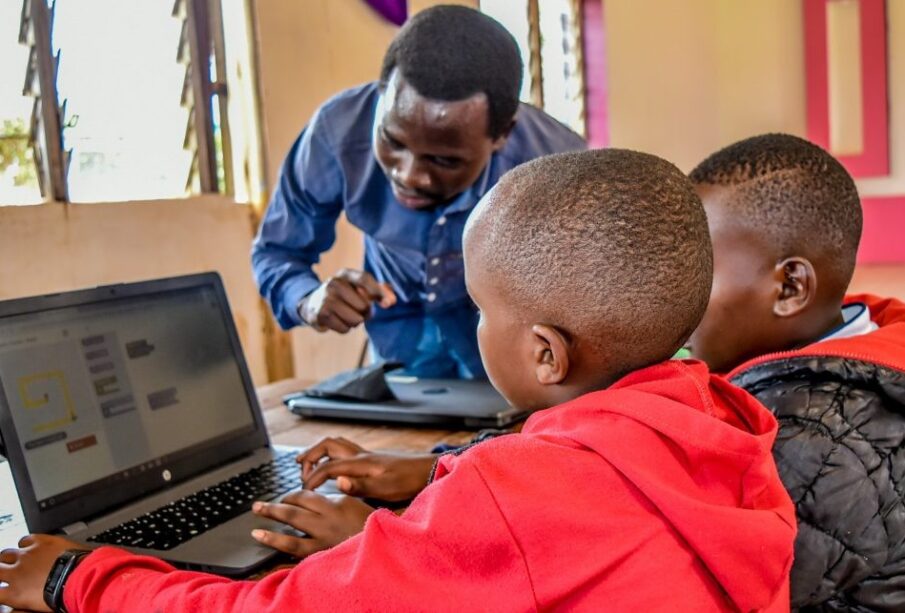
The Future of Education Technology in Africa
Education technology, commonly called EdTech, is changing how students learn, how teachers work, and how educational institutions deliver knowledge.
Across Africa, the sector is gaining attention as governments, schools, technology companies, and educators look for practical ways to improve access to quality education.
The future of education technology in Africa is particularly important because the continent has a young and rapidly growing population. At the same time, many communities continue to face challenges such as overcrowded classrooms, limited learning materials, teacher shortages, unreliable electricity, and unequal access to educational opportunities.
Technology cannot solve every educational problem. However, when introduced thoughtfully, it can provide new tools for overcoming some of these barriers.
Expanding Access to Learning
One of the biggest opportunities for EdTech in Africa is expanding access to educational content.
A student in a rural community may not have access to a large library, specialized teachers, or well-equipped classrooms. A smartphone, tablet, computer, or other connected device can provide access to digital textbooks, recorded lessons, educational videos, online courses, and other learning resources.
This can make education less dependent on physical location.
Mobile learning is particularly promising because smartphones are already widely used across many African communities. Instead of requiring students to travel long distances to access additional educational resources, schools and education providers can deliver lessons directly to learners’ devices.
More Affordable Educational Resources
Traditional educational materials can become expensive for families, particularly when students need several textbooks and supplementary resources.
Digital materials can reduce some of these costs. Schools can distribute electronic textbooks, assignments, revision materials, and educational videos without repeatedly printing large quantities of physical materials.
However, affordability will depend on more than the cost of digital content. Internet data, devices, electricity, and technical support also affect the overall cost of digital learning.
For this reason, African EdTech companies will need to develop solutions that work within local economic realities.
Artificial Intelligence and Personalized Learning
Artificial intelligence could become one of the most influential technologies in African education.
AI-powered platforms can help students practice subjects at their own pace. A learning system could identify areas where a student is struggling and recommend additional exercises or explanations.
Teachers could also use AI tools to prepare lesson materials, generate practice questions, organize information, and provide basic feedback.
However, AI should support teachers rather than replace them. Education involves mentorship, emotional support, classroom management, critical thinking, and human relationships that technology cannot fully reproduce.
There will also be important questions about data privacy, accuracy, bias, and unequal access to AI-powered learning.
Improving Teacher Support
Technology can benefit teachers as much as students.
Online professional-development platforms can allow teachers to learn new teaching techniques without leaving their communities. Digital communities can also help educators exchange ideas, teaching materials, and classroom experiences.
A teacher in Nigeria, Kenya, Ghana, Rwanda, or South Africa could potentially access training created by educators from other parts of the continent and around the world.
This creates opportunities for collaboration while allowing African educators to develop solutions suited to their own classrooms.
Offline and Low-Connectivity Learning
One of the most important features of successful African EdTech solutions will be the ability to function despite unreliable internet connections.
Not every student has affordable, high-speed internet access. Some communities also experience inconsistent electricity supplies.
Future education platforms will therefore need to consider offline learning. Students could download lessons when they have connectivity and continue studying without an internet connection.
Other solutions may use SMS, downloadable educational packages, local networks, radio, television, or applications designed to consume very little data.
The most successful technologies may not necessarily be the most technologically sophisticated. They may be the ones that work reliably under real African conditions.
Digital Skills and the Future Workforce
Education technology is also changing what students need to learn.
Beyond traditional subjects, young Africans will increasingly need digital literacy, communication skills, problem-solving abilities, financial literacy, creativity, and familiarity with emerging technologies.
Online learning platforms can make it easier for students and young professionals to acquire skills outside traditional academic programs.
This could be especially valuable as industries such as technology, digital finance, creative services, logistics, renewable energy, and e-commerce continue to develop across the continent.
Opportunities for African EdTech Companies
The growing demand for accessible education creates opportunities for African entrepreneurs.
Local companies understand challenges that international platforms may overlook. They can create products around local curricula, languages, payment systems, connectivity conditions, and cultural expectations.
Solutions could range from learning-management systems and virtual classrooms to educational games, examination-preparation platforms, teacher-training tools, and career-development services.
Partnerships between governments, schools, technology companies, telecommunications providers, and investors could help these solutions reach more learners.
The Importance of Local Languages
Language will remain an important consideration.
Much digital educational content is produced in English, French, or other widely used international languages. Yet Africa has thousands of languages spoken across its communities.
Future technology could make educational content more accessible by supporting local languages through translation, speech recognition, text-to-speech systems, and AI-assisted learning.
This could help students understand complex concepts in languages they are more comfortable using.
Addressing the Digital Divide
The benefits of education technology will not automatically reach everyone.
There is a risk that students from wealthier households and urban communities could gain access to advanced digital learning while students in poorer or rural communities fall further behind.
Closing this gap will require investment in internet infrastructure, electricity, affordable devices, teacher training, and digital skills.
Schools may also need shared technology centers where students can access devices instead of requiring every family to purchase one.
What the Future Could Look Like
The future African classroom may combine traditional teaching with digital tools rather than completely replacing physical schools.
A student might attend a physical class in the morning, use an AI-powered learning platform for personalized practice in the afternoon, and participate in an online discussion with students from another country later in the day.
Teachers could use digital platforms to monitor progress, identify learning difficulties, and provide more targeted support.
This blended approach could make education more flexible while preserving the human relationships that make effective teaching possible.
Conclusion
The future of education technology in Africa is promising, but technology alone will not transform education. Successful adoption will depend on affordability, infrastructure, teacher involvement, appropriate content, digital inclusion, and responsible use of emerging technologies.
Africa has an opportunity to build education systems that are not simply copies of models developed elsewhere. By combining technology with local knowledge and community needs, the continent can create learning environments that are more accessible, flexible, and relevant.
The biggest opportunity may therefore be not just putting technology into classrooms, but using it to rethink how Africans learn, teach, develop skills, and prepare for the future.




Leave a reply




Africa’s Source for Breaking News | Entertainments | Health | Finance | Sports | Lifestyle and Business News.


