
Local Food Markets and Their Economic Importance
Local Food Markets and Their Economic Importance
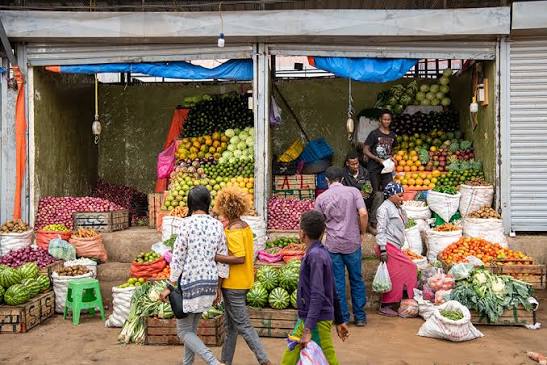
Local food markets have been the heartbeat of African communities for centuries.
Long before supermarkets and online grocery shopping became common, people depended on open-air markets to buy fresh produce, livestock, spices, grains, and handmade products. Today, these markets remain essential despite rapid urbanization and changing consumer habits.
Across Africa, local food markets are more than places to buy and sell food—they are centers of economic activity, employment, cultural exchange, and community development. From bustling city markets to small rural trading centers, they connect farmers directly with consumers, helping local economies thrive while ensuring millions of families have access to affordable, nutritious food.
This article explores the importance of local food markets, the economic benefits they provide, the challenges they face, and how they can continue contributing to sustainable development across Africa.
What Are Local Food Markets?
Local food markets are marketplaces where farmers, fishermen, food processors, traders, and artisans sell agricultural products directly to consumers or retailers. These markets may operate daily, weekly, or seasonally depending on the community.
Products commonly sold include:
- Fresh fruits and vegetables
- Grains and cereals
- Meat and poultry
- Fish and seafood
- Dairy products
- Herbs and spices
- Traditional foods
- Processed local products
- Handmade household goods
Unlike large supermarkets, local markets often source products from nearby farms, reducing transportation costs while supporting local producers.
Supporting Small-Scale Farmers
One of the greatest economic benefits of local food markets is the opportunity they provide for smallholder farmers.
Many African farmers cultivate relatively small plots of land and rely on local markets to sell their harvests. These markets enable them to:
- Earn regular income
- Reduce dependence on middlemen
- Receive immediate payment
- Build relationships with customers
- Test demand for different crops
When farmers have reliable markets, they are more likely to invest in better farming methods, improved seeds, and higher productivity.
Creating Employment Opportunities
Local food markets generate employment far beyond farming.
Jobs created include:
- Produce traders
- Transport operators
- Food processors
- Market cleaners
- Security personnel
- Porters
- Packaging suppliers
- Restaurant operators
- Street food vendors
- Storage facility operators
Thousands of people depend directly or indirectly on market activities for their livelihoods.
In many African cities, local markets are among the largest sources of informal employment.
Boosting Local Economies
Money spent in local markets often stays within the community.
For example:
A customer buys tomatoes from a farmer.
The farmer pays a transporter.
The transporter buys fuel from a local station.
The fuel station employs local workers.
Those workers spend their wages at nearby businesses.
This continuous circulation of money strengthens local economies through what economists call the multiplier effect.
As more people earn and spend income locally, businesses grow and communities become more economically resilient.
Improving Food Security
Food security means that people have consistent access to enough safe and nutritious food.
Local food markets contribute by:
- Providing fresh produce daily
- Reducing food shortages
- Supporting seasonal food availability
- Encouraging diverse diets
- Making food more accessible in both urban and rural areas
When transportation disruptions occur, locally sourced food often remains available, making communities less vulnerable to supply chain interruptions.
Preserving Traditional Foods
Africa is home to thousands of indigenous crops and traditional recipes.
Local markets help preserve foods such as:
- Millet
- Sorghum
- Yam
- Cassava
- Cocoyam
- Fonio
- Bambara groundnuts
- Indigenous leafy vegetables
- Traditional spices
By creating demand for these foods, markets encourage farmers to continue cultivating crops that might otherwise disappear.
Traditional foods also support healthier diets because many are naturally rich in fiber, vitamins, and minerals.
Encouraging Entrepreneurship
Local markets provide affordable entry points for entrepreneurs.
Many successful business owners began by selling products in neighborhood markets.
Entrepreneurs may specialize in:
- Fresh produce
- Processed foods
- Organic farming
- Honey production
- Spice packaging
- Snacks
- Beverages
- Local delicacies
Because startup costs are relatively low, markets help individuals start businesses with limited capital.
Empowering Women Economically
Women play a major role in African food markets.
They are involved in:
- Farming
- Food processing
- Wholesale trading
- Retail sales
- Catering
- Transportation
- Financial management
Income earned through market activities often supports:
- Children’s education
- Healthcare
- Household expenses
- Small business investments
By increasing women’s access to markets, communities can promote financial independence and reduce poverty.
Reducing Food Waste
Without nearby markets, farmers may struggle to sell perishable produce before it spoils.
Local markets reduce waste by:
- Allowing quick sales after harvest
- Encouraging bulk purchases
- Supporting food processors who preserve surplus produce
- Creating opportunities for restaurants and vendors to purchase excess products
Reducing waste benefits both farmers and consumers while improving food availability.
Supporting Local Supply Chains
Local food markets strengthen regional supply chains by connecting:
- Farmers
- Aggregators
- Transporters
- Retailers
- Restaurants
- Hotels
- Food processors
- Consumers
Strong local supply chains improve market efficiency while reducing dependence on imported food.
Preserving Culture and Community
Markets are social institutions as much as they are commercial centers.
People gather to:
- Exchange ideas
- Share news
- Celebrate festivals
- Learn traditional recipes
- Practice local languages
- Build business relationships
Many markets have operated for generations and remain symbols of cultural identity.
Traditional music, clothing, crafts, and cuisine are often showcased alongside agricultural products.
Attracting Tourism
Many travelers enjoy visiting authentic local markets because they offer unique cultural experiences.
Tourists often purchase:
- Handmade crafts
- Local spices
- Traditional foods
- Textiles
- Artwork
- Fresh produce
Market tourism generates additional income for local businesses while promoting cultural heritage.
Promoting Sustainable Agriculture
Consumers increasingly value food produced close to home.
Local markets encourage sustainable farming by reducing transportation distances and supporting seasonal consumption.
Farmers are also more likely to receive feedback directly from customers, helping them improve product quality while responding to changing preferences.
Challenges Facing Local Food Markets
Despite their importance, local food markets face several challenges.
Poor Infrastructure
Many markets lack:
- Modern stalls
- Cold storage
- Reliable electricity
- Clean water
- Waste management systems
- Good road access
These shortcomings increase operating costs and contribute to food spoilage.
Limited Access to Finance
Small traders often struggle to obtain affordable loans for:
- Expanding inventory
- Purchasing equipment
- Improving storage
- Transporting goods
Greater financial inclusion would enable many market businesses to grow.
Competition from Supermarkets
Large retail chains offer convenience and standardized products.
Although local markets remain competitive on price and freshness, many traders need better marketing, packaging, and customer service to attract younger consumers.
Climate Change
Extreme weather affects crop production through:
- Drought
- Flooding
- Heat waves
- Pest outbreaks
Lower harvests reduce supplies, increase prices, and affect incomes throughout the market system.
Food Safety Concerns
Inadequate sanitation and poor handling practices can reduce consumer confidence.
Investments in hygiene, training, and food inspection improve both public health and market competitiveness.
Strengthening Local Food Markets
Governments, businesses, and communities can support local markets by:
- Improving roads and transport networks
- Building cold storage facilities
- Expanding access to affordable credit
- Investing in modern market infrastructure
- Providing digital payment systems
- Training vendors in food safety
- Promoting local food campaigns
- Supporting agricultural cooperatives
- Encouraging youth participation in agribusiness
These investments can significantly increase market efficiency while improving livelihoods.
The Future of Local Food Markets
Technology is transforming local markets across Africa.
Digital platforms now allow traders to:
- Accept mobile payments
- Advertise products online
- Connect directly with buyers
- Track inventory
- Organize deliveries
As internet access and smartphone usage continue to expand, local markets are becoming more efficient without losing their community-centered character.
By combining traditional trading practices with modern technology, African food markets can continue driving inclusive economic growth.
Conclusion
Local food markets remain one of the most important pillars of Africa’s economy. They support millions of farmers, traders, transporters, and entrepreneurs while ensuring communities have access to fresh, affordable food. Beyond their economic value, these markets preserve cultural traditions, encourage entrepreneurship, empower women, reduce food waste, and strengthen local supply chains.
With greater investment in infrastructure, technology, financing, and food safety, local food markets can continue to fuel economic development and improve food security across the continent. As Africa’s population grows and urbanization accelerates, strengthening these markets will remain essential for creating resilient communities, sustainable livelihoods, and long-term prosperity.




Leave a reply




Africa’s Source for Breaking News | Entertainments | Health | Finance | Sports | Lifestyle and Business News.


