
Air Peace Under the Spotlight
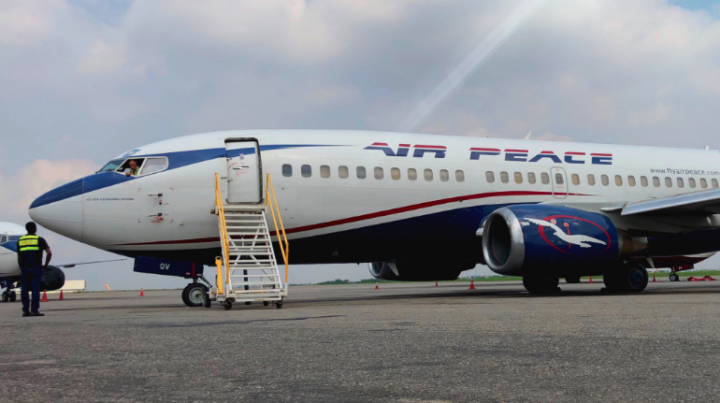
Air Peace Under the Spotlight
Air Peace Under the Spotlight: Delays, Disruptions and the Fight to Protect Its Reputation
Air travel promises speed, convenience and reliability. However, when flights are delayed, schedules change unexpectedly or passengers struggle to obtain clear information, that promise quickly becomes a source of frustration. For Air Peace, one of Nigeria’s most prominent airlines, managing these challenges is about more than getting aircraft into the sky. It is also about maintaining public confidence in a competitive aviation industry where reputation can influence a passenger’s next booking.
As the airline continues to serve domestic and international routes, operational disruptions remain an important issue for passengers, regulators and the wider aviation sector. Flight delays can result from several factors, including technical problems, adverse weather, airport congestion and scheduling difficulties. Yet, regardless of the cause, passengers judge an airline by how effectively it communicates, responds and resolves problems. For Air Peace, protecting its reputation requires a careful balance between operational efficiency, passenger satisfaction and transparent communication.
Air Peace and Its Growing Importance in Nigerian Aviation
Air Peace has become a significant player in Nigeria’s aviation market, connecting major cities and providing services on selected international routes. Its growth has also made it an important part of conversations about the future of domestic air travel, competition and connectivity across West Africa.
For many travellers, the airline represents an alternative to limited transportation options, particularly when long road journeys are expensive, exhausting or unsafe. Business owners depend on predictable flight schedules to attend meetings, while families use air travel to maintain connections across different parts of the country. Consequently, disruptions can affect more than individual travel plans. They can interfere with business activities, personal commitments and the broader movement of people.
As an airline expands, however, maintaining consistent service becomes increasingly demanding. More routes, aircraft movements and passenger bookings require careful coordination. A disruption on one flight can affect subsequent departures, especially when aircraft and crew schedules are tightly connected. Therefore, growth must go hand in hand with operational planning, adequate resources and effective contingency arrangements.
Why Flight Delays and Disruptions Matter
Flight delays are not unique to Air Peace. Airlines around the world face operational challenges, and Nigerian aviation has additional difficulties involving airport infrastructure, weather conditions, foreign exchange pressures and the cost of maintaining aircraft.
Technical issues, for example, may require an aircraft to undergo inspections or repairs before it can safely operate. Although such situations inconvenience passengers, delaying a flight to address a genuine safety concern is a responsible decision. Aviation safety must always take priority over punctuality.
Weather can also disrupt flight schedules. Heavy rainfall, poor visibility and thunderstorms may prevent aircraft from departing or landing at the expected time. Similarly, congestion at busy airports can create delays that affect several airlines.
Nevertheless, passengers often struggle to distinguish between unavoidable disruptions and problems arising from inadequate planning. When an airline repeatedly changes departure times without providing useful explanations, customers may begin to question its reliability.
The consequences can be significant. A passenger travelling for an important business meeting may lose a commercial opportunity. Someone attending a wedding or funeral may miss an important family event. International travellers connecting to another flight could face additional expenses or complicated arrangements.
These experiences can shape public opinion far beyond the airport. Passengers increasingly share complaints, photographs and videos on social media, allowing individual incidents to become wider discussions about an airline’s performance.
The Communication Problem Behind Passenger Frustration
Sometimes, the delay itself is not the only problem. Poor communication can make an already difficult experience considerably worse.
Passengers generally understand that unforeseen circumstances can affect travel. What they find difficult to accept is being left uncertain about when their flight will depart, why the schedule has changed or what assistance is available.
Imagine arriving at the airport on time, completing the necessary procedures and waiting for boarding, only to receive repeated changes to the departure schedule. Without timely updates, passengers cannot make informed decisions about transport, accommodation, connecting journeys or alternative arrangements.
For Air Peace, improving communication should therefore be a central part of its customer service strategy. Passengers need accurate information through several channels, including text messages, email, airport announcements and official social media accounts.
When an airline cannot immediately provide a confirmed departure time, it should communicate what is known, explain what remains uncertain and indicate when the next update will arrive. This approach is more credible than providing optimistic estimates that repeatedly prove inaccurate.
Clear communication also requires consistency. Information shared by customer service representatives should match announcements at the airport and updates provided online. Contradictory messages can create confusion and make passengers feel that the airline has lost control of the situation.
Social Media and the Battle for Reputation
In the digital age, an airline’s reputation can change rapidly. A passenger who experiences a frustrating delay can publish a complaint that reaches thousands of people within minutes. Other travellers may respond with similar experiences, creating a broader impression of recurring service problems.
For Air Peace, social media presents both a challenge and an opportunity. Negative publicity can damage customer confidence, but responsive communication can demonstrate accountability and a willingness to improve.
The airline should treat public complaints as opportunities to investigate problems rather than dismiss them as attacks on its reputation. A useful response acknowledges the passenger’s experience, requests relevant booking details through an appropriate private channel and explains the steps being taken to resolve the matter.
However, online engagement must lead to meaningful action. An apology cannot compensate for a missing refund, unanswered complaint or repeated failure to provide promised information. Passengers ultimately assess an airline through the relationship between its public statements and its actual service.
At the same time, individual complaints should not automatically be treated as proof of widespread operational failure. A fair assessment of Air Peace requires reliable information about delays, cancellations, their causes and the airline’s performance over time. Transparent reporting would help passengers and industry observers distinguish isolated incidents from persistent weaknesses.
The Role of Safety, Maintenance and Regulation
Protecting an airline’s reputation begins with protecting passengers. Aircraft maintenance, crew readiness and compliance with aviation regulations are essential responsibilities, regardless of commercial pressure.
An airline must not compromise safety to avoid criticism over a delayed departure. If an aircraft requires additional inspection, passengers should receive an honest explanation that protects sensitive technical information without concealing the nature of the disruption.
Nigeria’s aviation regulators also have an important role in monitoring airline operations and enforcing applicable safety and consumer-protection requirements. Effective oversight helps ensure that airlines meet established standards and that passengers understand their rights when services do not proceed as planned.
Air Peace can strengthen public confidence by cooperating fully with regulatory authorities, maintaining transparent internal reporting systems and addressing identified operational weaknesses. Safety and customer service should reinforce each other rather than compete for attention.
Practical Steps Air Peace Can Take to Rebuild Confidence
Protecting its reputation requires more than responding to criticism after a disruption occurs. Air Peace must invest in systems that reduce avoidable problems and improve the passenger experience when disruptions cannot be prevented.
First, the airline should strengthen scheduling and contingency planning. Realistic turnaround times, careful crew planning and sufficient operational flexibility can help prevent one delayed flight from disrupting an entire day’s schedule.
Second, passenger communication should become faster and more reliable. Automated notifications can alert travellers to schedule changes, while trained customer service staff can provide explanations and guidance when situations become complicated.
Third, the airline should establish clear procedures for handling complaints, refunds and eligible compensation under applicable rules. Passengers need to know where to submit requests, which documents are required and how long they should expect to wait for a response.
Fourth, Air Peace should monitor performance using measurable indicators, including punctuality, cancellation rates, complaint-resolution times and passenger satisfaction. Publishing meaningful performance information, where appropriate, would demonstrate a commitment to accountability.
Finally, staff training deserves continuous attention. Airport personnel and customer service representatives often become the public face of an airline during stressful situations. Employees who communicate calmly, explain available options and treat passengers respectfully can prevent frustration from escalating.
What Passengers Should Expect Going Forward
Travellers also benefit from preparing for possible disruptions. Checking flight notifications before leaving home, arriving at the airport within the recommended timeframe and keeping booking confirmations readily available can reduce avoidable difficulties.
Passengers should document significant schedule changes and retain receipts for additional expenses. Where necessary, they can contact the airline through its official channels or seek guidance from the relevant aviation consumer-protection authorities.
However, preparation does not remove an airline’s responsibility to deliver the service it has promised. Customers deserve accurate information, respectful treatment and appropriate remedies when circumstances justify them.
For Air Peace, the challenge is to make these expectations part of everyday operations rather than occasional responses to public criticism.
Conclusion
Air Peace’s position in Nigerian aviation makes its handling of delays and disruptions particularly important. Every difficult journey presents a test of operational competence, customer service and public trust. Although some delays are unavoidable, poor communication, inadequate contingency planning and unresolved complaints can turn temporary problems into lasting reputational damage.
The airline’s strongest response is not simply to defend its name whenever criticism emerges. It is to demonstrate reliability through consistent performance, honest communication, responsible safety decisions and effective complaint resolution.
Ultimately, passengers remember more than whether a flight departed late. They remember whether they were informed, respected and supported when plans changed. If Air Peace can make those experiences more predictable and transparent, it will be better positioned to protect its reputation and strengthen its place in Nigeria’s aviation industry.




Leave a reply







Africa’s Source for Breaking News | Entertainments | Health | Finance | Sports | Lifestyle and Business News.


