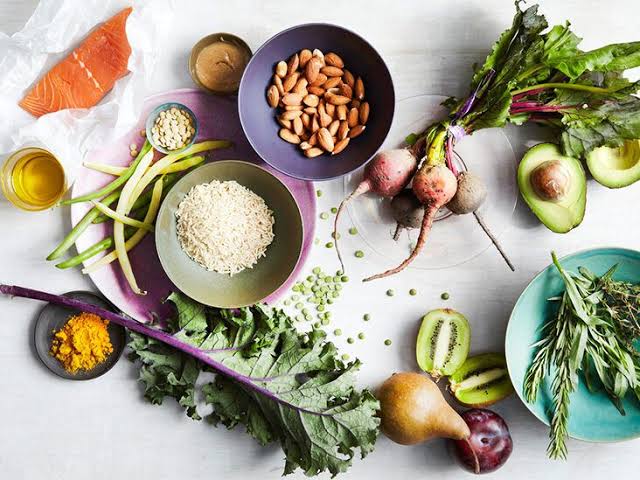
Affordable Nutritious Foods for Families: Eating Well Without Overspending
Feeding a family nutritious meals on a limited budget can feel challenging, especially as food prices continue to rise across many African countries. However, healthy eating does not have to be expensive. By choosing locally available ingredients, buying seasonal produce, and planning meals wisely, families can enjoy balanced diets while keeping grocery costs under control.
Nutritious food is not defined by its price tag. Many affordable staples found in African markets are rich in essential nutrients that support growth, strengthen immunity, and provide lasting energy. With thoughtful shopping and meal preparation, every household can make healthier food choices without stretching the family budget.
Why Affordable Nutrition Matters
Good nutrition plays a significant role in children’s physical and mental development, adults’ productivity, and overall family well-being. Poor diets often lead to weakened immune systems, reduced energy levels, and increased health problems.
Affordable healthy meals help families:
Maintain good health.
Improve children’s learning and concentration.
Reduce healthcare expenses.
Support healthy growth and development.
Build stronger immune systems.
Rather than focusing on expensive imported foods, many locally grown African foods provide equal or even greater nutritional value.
Budget-Friendly Nutritious Foods Every Family Should Consider
1. Beans
Beans remain one of Africa’s most affordable sources of protein. They are rich in fiber, iron, potassium, and plant-based protein.
Families can prepare:
Bean porridge
Moi Moi
Akara
Bean stew
Mixed bean and rice meals
Cooking beans in large batches also saves fuel and time.
2. Rice
Rice is an affordable staple that pairs well with vegetables, beans, fish, or eggs.
For better nutrition:
Add vegetables.
Include beans.
Serve with fish or chicken occasionally.
Mix with brown rice when available.
3. Sweet Potatoes
Sweet potatoes are naturally rich in Vitamin A, fiber, and carbohydrates.
They can be:
Boiled
Roasted
Mashed
Added to stews
Used in breakfast meals
They also provide long-lasting energy for children and adults.
4. Cassava Products
Cassava remains one of Africa’s most widely consumed crops.
Affordable options include:
Garri
Fufu
Tapioca
Cassava flour
Pair cassava meals with vegetable soups rich in leafy greens and protein for a balanced diet.
5. Millet and Sorghum
Traditional grains such as millet and sorghum are highly nutritious and often cheaper than imported cereals.
Benefits include:
High fiber
Iron
Magnesium
Slow-release energy
Gluten-free options
These grains work well in porridge, local dishes, and flour blends.
6. Eggs
Eggs provide one of the most affordable complete protein sources available.
They contain:
Protein
Vitamin D
Vitamin B12
Healthy fats
Choline for brain development
Even one or two eggs added to meals significantly improve nutritional quality.
7. Fresh Leafy Vegetables
Locally grown vegetables often cost much less than packaged alternatives.
Examples include:
Spinach
Amaranth
Pumpkin leaves
Waterleaf
Bitter leaf
Kale
Ugu (fluted pumpkin leaves)
These vegetables are packed with:
Iron
Calcium
Vitamins A, C, and K
Antioxidants
8. Seasonal Fruits
Buying fruits during their harvest season reduces costs considerably.
Affordable options often include:
Bananas
Oranges
Pawpaw (papaya)
Mangoes
Watermelon
Pineapple
Guava
Seasonal fruits provide natural vitamins without expensive supplements.
9. Groundnuts (Peanuts)
Groundnuts are affordable and nutrient-dense.
They provide:
Healthy fats
Protein
Vitamin E
Magnesium
Groundnuts can be eaten roasted, added to soups, or made into peanut butter.
10. Sardines and Small Fish
Small fish are usually cheaper than larger cuts of meat while offering excellent nutrition.
Benefits include:
Omega-3 fatty acids
Calcium (especially when eaten with soft bones)
Protein
Vitamin D
Dried fish also stores well and adds flavor to soups and stews.
Smart Shopping Tips for Families
Healthy eating begins before entering the kitchen.
Buy Seasonal Produce
Seasonal vegetables and fruits are often fresher, more nutritious, and significantly cheaper than imported options.
Purchase in Bulk
Staples such as:
Rice
Beans
Garri
Maize
Millet
are usually more affordable when bought in bulk. Families can divide them into airtight containers to maintain freshness and reduce waste.
Shop at Local Markets
Community markets frequently offer lower prices than supermarkets, especially for fresh produce and staple foods. Shopping later in the day can also lead to discounts from vendors looking to sell remaining stock.
Plan Meals Weekly
Meal planning prevents impulse purchases and reduces food waste.
A simple weekly menu helps families:
Buy only necessary ingredients.
Use leftovers creatively.
Control spending.
Save cooking time.
Affordable Balanced Meal Ideas
Breakfast
Millet porridge with groundnuts
Boiled sweet potatoes with eggs
Oats with bananas
Pap with beans
Lunch
Rice and beans with vegetables
Yam and vegetable sauce
Cassava meal with spinach soup
Bean porridge with fish
Dinner
Vegetable stew with rice
Sweet potato and beans
Fish soup with cassava
Mixed vegetable soup with whole grains
These meals combine carbohydrates, protein, healthy fats, and vitamins while remaining budget-friendly.
Reduce Food Waste
Reducing waste is one of the easiest ways to lower food costs.
Families can:
Store vegetables properly.
Freeze leftovers.
Reuse cooked beans in different recipes.
Turn ripe fruits into smoothies.
Use vegetable scraps for homemade broth where appropriate.
Every kilogram of food saved represents money saved.
Involve Children in Healthy Eating
Children are more likely to enjoy nutritious meals when they participate in choosing and preparing food.
Simple activities include:
Washing vegetables.
Arranging fruit plates.
Helping stir meals.
Learning about healthy foods.
These experiences help establish lifelong healthy eating habits.
Building Healthy Eating Habits on Any Budget
Healthy eating is about making consistent, practical choices rather than buying expensive products. Traditional African foods such as beans, leafy vegetables, millet, cassava, sweet potatoes, eggs, groundnuts, and seasonal fruits provide excellent nutrition at a fraction of the cost of many processed alternatives.
By planning meals, shopping wisely, minimizing food waste, and choosing locally produced ingredients, families can enjoy delicious, nourishing meals while staying within their budgets. Affordable nutrition is not only possible, it is one of the most sustainable ways to support healthier families and stronger communities across Africa.
Conclusion
Providing nutritious meals for a family does not require an extravagant food budget. The key lies in selecting wholesome local foods, preparing balanced meals, and making thoughtful purchasing decisions. Across Africa, many affordable staples offer the nutrients needed for healthy growth, energy, and long-term well-being. With careful planning and smart shopping habits, families can eat well, spend less, and build healthier futures together.