
Senegal's Creative Economy
Senegal’s Creative Economy: Turning Talent Into Income
Senegal has long been recognised for its vibrant culture, rich artistic traditions and growing influence across Africa. From the rhythms of Mbalax music to contemporary fashion, filmmaking, visual arts and digital content, the country possesses a wealth of creative talent. However, talent alone does not guarantee financial success. For many artists, designers, musicians and filmmakers, the real challenge is turning their skills into sustainable businesses.
Senegal’s creative economy presents an opportunity to create jobs, attract investment and promote the country’s cultural identity internationally. With Dakar serving as a major cultural centre, local creatives have access to audiences, festivals, institutions and emerging digital markets. Yet limited financing, weak distribution systems and difficulties protecting intellectual property continue to restrict their earnings.
The question is no longer whether Senegal has creative talent. Instead, it is how effectively the country can transform that talent into income, employment and long-term economic growth.
Understanding Senegal’s Creative Economy
The creative economy includes industries that generate value from ideas, artistic expression, cultural knowledge and intellectual property. In Senegal, these industries cover music, film, fashion, crafts, publishing, photography, design, performing arts and digital entertainment.
Traditional crafts remain important, particularly textiles, jewellery, leatherwork and wood carving. Meanwhile, younger entrepreneurs are exploring graphic design, animation, social media production and online marketing. These activities connect Senegal’s cultural heritage with modern commercial opportunities.
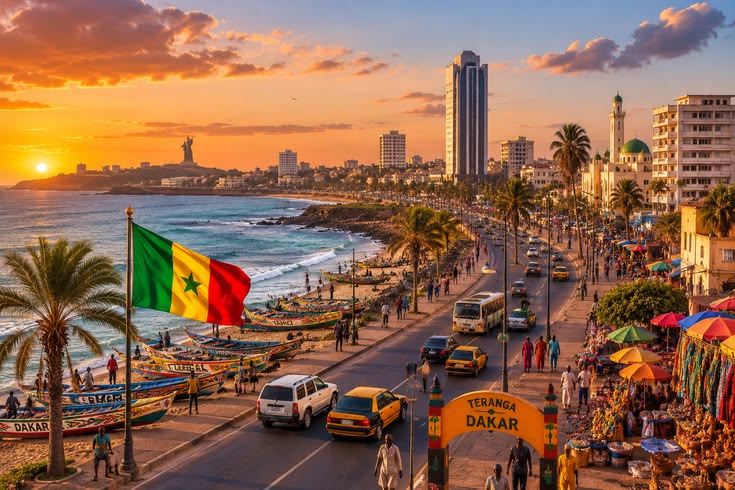
Dakar plays a central role in this development. The city hosts cultural events, attracts international visitors and provides a meeting point for artists, entrepreneurs and investors. Events such as the Dakar Biennale, also known as Dak’Art, help showcase contemporary African art and connect local creators with international audiences.
However, the creative economy extends beyond the capital. Regional communities contribute traditional knowledge, music, storytelling, dance and craftsmanship. Supporting these communities could spread economic opportunities more widely while preserving cultural heritage.
Music: Turning Cultural Influence Into Revenue
Music remains one of Senegal’s most recognisable creative exports. Mbalax, popularised internationally by artists such as Youssou N’Dour, demonstrates how local musical traditions can reach global audiences without losing their distinctive identity.
Today, musicians can earn income through live performances, streaming platforms, licensing agreements, merchandise and brand partnerships. Digital platforms also allow emerging artists to distribute their work without relying entirely on traditional record companies.
Nevertheless, online visibility does not always translate into meaningful earnings. Streaming payments can be small, while independent musicians often lack professional management, marketing budgets and legal support. Some artists also struggle to negotiate fair contracts or collect royalties when their music is used commercially.
To address these challenges, Senegal needs stronger music management services, accessible recording facilities and more effective royalty collection systems. Artists should also learn to diversify their income rather than depend exclusively on streaming.
For example, a local musician could combine paid performances with music licensing, merchandise sales and music production for other artists. This approach creates several revenue streams and reduces financial uncertainty.
Fashion and Crafts: Commercialising Cultural Identity
Senegal’s fashion industry offers another promising route from creativity to income. Designers draw inspiration from traditional textiles, embroidery, tailoring and contemporary urban styles. Senegalese clothing can appeal to local consumers, international fashion enthusiasts and members of the diaspora who want products connected to their heritage.
Craft businesses offer similar opportunities. Artisans produce leather goods, decorative objects, jewellery, woven products and handmade accessories. These items can serve local customers while attracting tourists and international buyers.
However, many independent designers and artisans operate on a small scale. They may lack modern equipment, reliable suppliers, professional photography or access to international retail networks. Consequently, products with strong cultural and artistic value can struggle to compete commercially.
Digital marketplaces, social media storefronts and partnerships with boutiques could help businesses reach more customers. Designers can also build recognisable brands by maintaining consistent quality, packaging and customer service.
Cooperatives could strengthen this process. By sharing equipment, purchasing materials collectively and coordinating marketing, artisans could reduce operating costs and improve production capacity.
At the same time, commercialisation must respect cultural ownership. Businesses should avoid exploiting traditional designs without permission or fair recognition of the communities that created them.
Film, Photography and Digital Content
Senegal has an important cinematic heritage, with filmmakers such as Ousmane Sembène helping establish African cinema on the international stage. Today, film, television, photography and online video offer new opportunities for creative professionals.
Local filmmakers can generate revenue through cinema releases, broadcasting agreements, streaming licences, commissioned productions and international film festivals. Photographers and videographers can serve weddings, businesses, tourism operators and advertising agencies.
Digital content creation has also lowered entry barriers for young entrepreneurs. A skilled editor, animator or social media producer can build a business using relatively affordable equipment and online tools.
For example, a Dakar-based videographer could produce promotional videos for restaurants, hotels and fashion brands while developing original documentaries for digital audiences. Such a business combines creative expression with services that customers already need.
However, access to financing remains a major obstacle. Film production can require substantial spending on equipment, transport, locations, actors and post-production. Independent creators may also struggle to secure distribution deals that adequately compensate their work.
Public grants, private investment, production partnerships and training programmes could help address these problems. More importantly, creators need commercial skills that enable them to budget accurately, negotiate contracts and identify profitable markets.
Digital Platforms and New Business Opportunities
Technology is changing how Senegalese creatives find customers and earn money. Social media platforms allow musicians to promote releases, fashion designers to display collections and illustrators to attract international clients.
Freelancing platforms also connect Senegalese professionals with businesses seeking graphic design, translation, animation, copywriting and video editing. These services can generate foreign-currency income while creating opportunities for people who cannot access traditional employment.
However, digital participation requires more than talent. Creatives need reliable internet access, suitable devices, digital payment options and knowledge of online marketing. Payment restrictions, platform fees and intense competition can also reduce earnings.
Creators must therefore treat their online presence as a business asset. Building an identifiable brand, maintaining a portfolio, communicating professionally and delivering work consistently can help turn occasional projects into lasting client relationships.
Another opportunity lies in developing digital products. Designers can sell templates, photographers can license images, educators can offer creative courses and musicians can distribute sample packs. Unlike some service businesses, these products can potentially generate repeated sales without requiring the creator to complete an entirely new project each time.
The Challenges Holding Creatives Back
Despite its potential, Senegal’s creative economy faces several structural difficulties.
First, financing remains difficult to obtain. Banks may consider creative businesses risky because their assets are often intangible. An artist’s reputation, original songs or design portfolio may have considerable commercial value but cannot always serve as conventional loan security.
Second, intellectual property protection requires greater attention. Copyright infringement, unauthorised reproduction and unclear licensing agreements can deprive creators of income. Accessible legal guidance and stronger enforcement would help artists protect their work.
Third, professional training is essential. Many talented people need additional skills in accounting, pricing, negotiation, customer research and business management. Without these abilities, creatives may undercharge for their services or struggle to maintain profitable operations.
Finally, infrastructure and market access remain uneven. Creatives outside Dakar may have fewer opportunities to meet investors, attend industry events or access specialised equipment.
Addressing these barriers requires coordinated action from government agencies, financial institutions, educational organisations, private companies and creative associations.
How Senegal Can Turn Talent Into Sustainable Income
Senegal can strengthen its creative economy by treating creative work as both a cultural asset and a commercial sector.
First, financing programmes should support artists and small creative businesses through grants, affordable loans, equipment funding and carefully designed investment schemes. Clear eligibility requirements and transparent selection processes would help ensure that support reaches deserving applicants.
Second, creative education should combine artistic development with entrepreneurship. Music students, designers, filmmakers and craftspeople should learn pricing, budgeting, intellectual property management and digital marketing alongside their technical skills.
Third, the country should expand market access. International exhibitions, trade fairs, film festivals and partnerships with foreign distributors can connect Senegalese creators with paying customers. Regional African trade agreements may also create opportunities to sell creative goods and services across borders, provided businesses can navigate applicable rules and distribution costs.
Fourth, public and private organisations can commission local creative services. Hiring Senegalese photographers, designers, musicians and filmmakers for advertising, tourism campaigns and corporate communications would create immediate commercial opportunities.
Finally, creatives should collaborate rather than work in isolation. Shared studios, production collectives and professional associations can reduce costs, improve bargaining power and help members access larger contracts.
Conclusion
Senegal’s creative economy has the potential to become an important source of employment, entrepreneurship and international influence. Its music, fashion, crafts, cinema and digital services offer valuable opportunities to transform cultural expression into commercial success.
However, sustainable growth will require more than celebrating artistic talent. Creatives need financing, professional training, intellectual property protection, reliable distribution channels and access to customers who are willing to pay for their work.
The opportunity is clear: Senegal can build an economy in which artists do not have to choose between pursuing their creativity and earning a decent living. By connecting cultural heritage with modern business practices, the country can help its creative professionals build profitable enterprises, create jobs and share Senegalese culture with the world.
The next stage of Senegal’s creative journey should therefore focus on turning recognition into revenue and talent into lasting economic value.


Leave a reply





Africa’s Source for Breaking News | Entertainments | Health | Finance | Sports | Lifestyle and Business News.


