
Building a Personal Brand as a Professional
Building a Personal Brand as a Professional
In today’s competitive professional world, having the right qualifications is important, but it is not always enough.
Employers, clients, business partners, and customers increasingly want to know who you are, what you stand for, and what value you can provide. This is where personal branding becomes important.
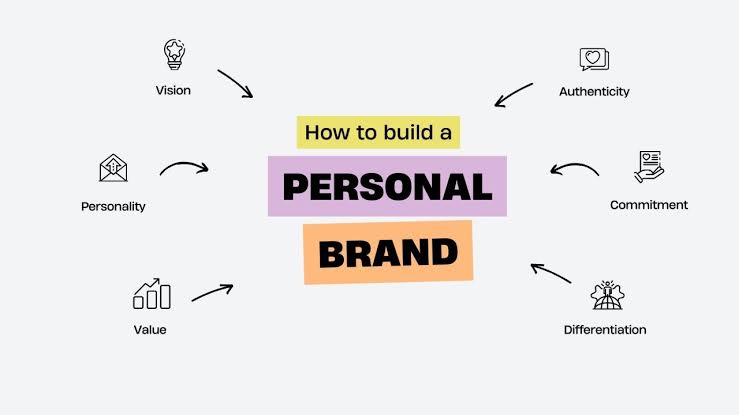
A personal brand is the professional identity you intentionally build around your skills, experience, values, personality, and expertise. It influences how people perceive you and can create opportunities even when you are not actively looking for them.
For professionals across Africa, developing a strong personal brand can open doors to new jobs, international opportunities, collaborations, freelance work, entrepreneurship, and professional networks.
What Is a Personal Brand?
Your personal brand is the impression people associate with you professionally.
It is shaped by several things, including your:
- Skills and expertise
- Professional experience
- Communication style
- Values and principles
- Online presence
- Work quality
- Relationships and networks
- Consistency
Personal branding is not about pretending to be someone you are not. Instead, it is about deliberately communicating your genuine strengths and the value you offer.
For example, a graphic designer may become known for creating clean brand identities, while a marketing professional may build a reputation for helping small businesses improve their digital presence.
Why Personal Branding Matters
A strong personal brand can make it easier for people to understand what you do and why they should work with you.
1. It Builds Professional Credibility
People are more likely to trust professionals who consistently demonstrate knowledge and competence.
Sharing useful insights, showcasing your projects, contributing to discussions, and maintaining a professional online presence can gradually establish credibility.
You do not need to be the most experienced person in your industry. You simply need to demonstrate what you know and continue improving.
2. It Creates New Opportunities
Opportunities do not always come from traditional job applications.
A potential client may discover your work through LinkedIn. A company may notice your portfolio through social media. Someone in your professional network may recommend you for a project.
A visible personal brand increases the chances of being discovered.
3. It Helps You Stand Out
Many professionals have similar qualifications and technical skills. Your personal brand can help differentiate you.
Your unique combination of experience, perspective, communication style, and professional interests can become an advantage.
4. It Supports Career Growth
Personal branding is useful whether you are an employee, entrepreneur, freelancer, consultant, or creative professional.
As your reputation grows, you may gain access to better roles, speaking opportunities, collaborations, mentorship, and leadership positions.
How to Build a Personal Brand
Building a personal brand does not happen overnight. It requires clarity, consistency, and patience.
1. Define What You Want to Be Known For
Start by asking yourself a simple question:
What do I want people to associate with my name?
Your answer should connect your skills, interests, experience, and professional goals.
Instead of trying to be known for everything, choose a few areas where you can consistently provide value.
For example:
“I help small businesses create practical digital marketing strategies.”
This is more memorable than simply saying:
“I am a marketing professional.”
2. Identify Your Strengths
Take time to understand what you do particularly well.
Consider your:
- Technical skills
- Communication skills
- Problem-solving abilities
- Industry knowledge
- Creative abilities
- Leadership experience
- Professional achievements
You can also ask colleagues or trusted professionals what they believe your strongest qualities are.
Sometimes other people can identify strengths that you overlook.
3. Build a Professional Online Presence
Your online presence is often the first place people look when they want to learn more about you.
Make sure your professional profiles accurately communicate who you are.
Your LinkedIn profile, portfolio, website, social media accounts, and professional email signature should present a reasonably consistent image.
Include a clear description of what you do, relevant experience, selected achievements, and examples of your work.
4. Share Valuable Content
One of the most effective ways to build professional visibility is by sharing useful information.
You can:
- Write short industry insights
- Explain concepts you understand
- Share lessons from your projects
- Discuss professional trends
- Create educational videos
- Publish case studies
- Share useful resources
- Comment thoughtfully on industry discussions
You do not have to publish every day.
Consistency matters more than volume.
5. Showcase Your Work
Do not only tell people what you can do. Show them.
A portfolio can demonstrate your abilities more effectively than a list of qualifications.
For professionals in creative, technology, marketing, consulting, writing, design, and other skill-based fields, examples of completed work can be particularly valuable.
Even if you are early in your career, personal projects can help demonstrate your abilities.
6. Network Intentionally
Personal branding is not only about posting online.
Professional relationships matter just as much.
Attend industry events, participate in professional communities, connect with experienced people, and maintain relationships with former colleagues.
When networking, focus on building genuine relationships rather than immediately asking people for opportunities.
A strong professional network can become one of your most valuable career assets.
7. Be Consistent
A personal brand becomes stronger when people repeatedly encounter the same professional qualities.
If you want to be known as a reliable professional, demonstrate reliability.
If you want to be recognized as an expert in a particular field, consistently share useful knowledge about that field.
Your actions should support the image you communicate online.
8. Protect Your Professional Reputation
Everything you publish online can contribute to how people perceive you.
This does not mean you need to make your social media presence completely formal. However, think carefully about what you post publicly.
Avoid unnecessary online conflicts, misleading claims, plagiarism, and behaviour that could damage your professional credibility.
Your reputation can take years to build but only moments to damage.
Personal Branding for African Professionals
Personal branding can be particularly valuable in Africa’s growing digital economy.
Professionals are increasingly able to work with companies and clients beyond their immediate cities and countries. A strong online presence can help someone in Lagos, Nairobi, Accra, Johannesburg, Kigali, or another African city showcase their expertise to a global audience.
Remote work and digital platforms have also made geographical boundaries less restrictive for many professions.
This means African professionals do not necessarily have to wait for opportunities to appear locally. They can build visibility, demonstrate their skills, and connect with international communities.
However, the goal should not simply be to appear successful. Authenticity and competence should remain at the centre of the brand.
Common Personal Branding Mistakes
Several mistakes can make personal branding less effective.
Trying to Appeal to Everyone
A professional who tries to discuss everything may struggle to develop a clear identity.
Choose a few areas that align with your expertise and career goals.
Copying Other Professionals
It is useful to study successful professionals, but copying their personality, content, or communication style can make your brand feel artificial.
Learn from others while developing your own voice.
Focusing Only on Self-Promotion
Constantly saying how talented or successful you are can become exhausting for your audience.
Instead, provide value. Teach something, share an experience, solve a problem, or offer a useful perspective.
Being Inconsistent
Posting regularly for two weeks and disappearing for six months makes it difficult to build recognition.
Create a realistic schedule that you can maintain.
Pretending to Know Everything
Nobody expects a professional to know everything.
Admitting that you are learning something can actually make your brand more relatable and credible.
How to Maintain Your Personal Brand
Building your brand is only the beginning. Review your professional profiles periodically. Update your portfolio as you complete new projects. Remove outdated information and refine your professional message as your career develops.
Your personal brand should evolve with you.
The person you are professionally at 25 may not have the same goals, expertise, or interests at 35. Allow your brand to grow instead of forcing yourself to maintain an outdated identity.
Final Thoughts
Building a personal brand as a professional is not about becoming famous. It is about becoming recognisable, credible, and valuable within your field. Start by understanding what you want to be known for. Develop your skills, showcase your work, share useful knowledge, build meaningful relationships, and remain consistent.
Over time, these small actions can transform your professional reputation.
The strongest personal brands are not built through self-promotion alone. They are built through competence, authenticity, consistency, and the value you provide to others.




Leave a reply







Africa’s Source for Breaking News | Entertainments | Health | Finance | Sports | Lifestyle and Business News.


