
Building Emotional Resilience During Change
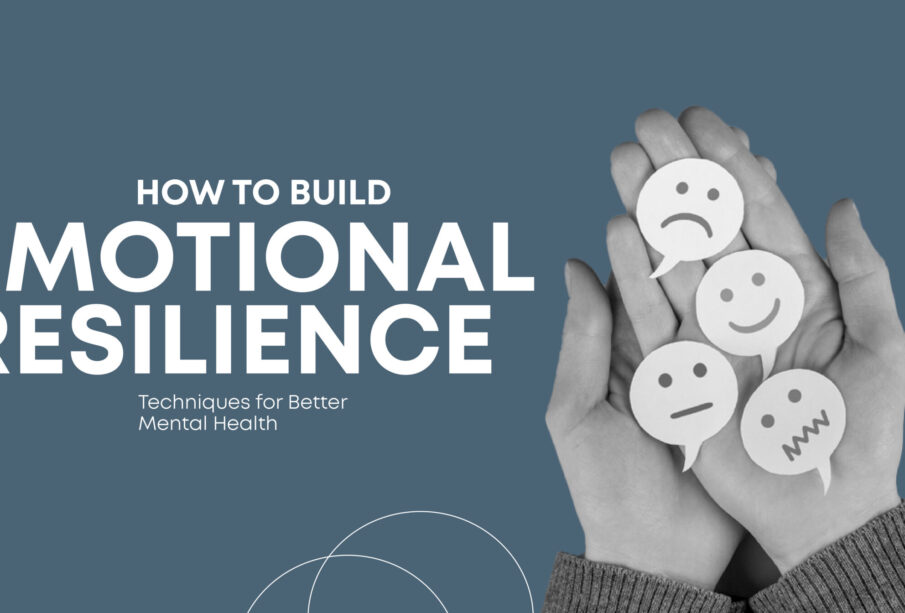
Building Emotional Resilience During Change
Change is one of the few things in life that everyone experiences, yet it is rarely easy to navigate.
Whether it involves starting a new job, moving to a different city, ending a relationship, dealing with financial uncertainty, adjusting to family changes, or simply entering a new stage of life, change can create feelings of fear, confusion, stress, and uncertainty.
Emotional resilience is the ability to adapt to difficult circumstances without allowing them to completely overwhelm you. It does not mean avoiding negative emotions or pretending that everything is fine. Instead, it means learning how to acknowledge your emotions, manage them in healthy ways, and continue moving forward even when life does not go according to plan.
Understanding Why Change Feels Difficult
People naturally seek stability and predictability. Familiar routines give us a sense of control, while major changes can make the future feel uncertain.
Even positive changes can be emotionally demanding. A promotion may bring excitement but also pressure. Moving into a new home can be rewarding while creating loneliness. Starting a new relationship can bring happiness alongside fear of disappointment.
Understanding this can help you stop judging yourself for struggling with change. Feeling unsettled does not necessarily mean you are weak or incapable. It can simply mean that you are adjusting.
Allow Yourself to Feel Your Emotions
One of the first steps toward emotional resilience is accepting what you feel.
During periods of change, you may experience sadness, anger, anxiety, excitement, frustration, or several emotions at the same time. Trying to suppress these feelings can make them harder to process.
Instead of saying, “I should not feel this way,” try asking, “What is this emotion telling me?”
Journaling, talking to someone you trust, praying or reflecting, taking quiet walks, and giving yourself time to process events can help you understand your emotional response.
Acceptance is not the same as giving up. It simply means acknowledging reality before deciding how to respond to it.
Focus on What You Can Control
Change often becomes overwhelming when we spend too much energy worrying about things outside our control.
You may not be able to control how quickly circumstances change, what other people decide, or what happens next. However, you can often control your daily habits, your response, the information you consume, and the steps you take toward your goals.
A useful question during uncertain periods is:
“What is one thing I can do today that is within my control?”
Small actions can restore a sense of stability when everything else feels uncertain.
Maintain Healthy Routines
During stressful transitions, routines can provide an important emotional anchor. Try to maintain basic habits such as getting enough sleep, eating regular meals, staying physically active, keeping your environment reasonably organised, and making time for activities that help you relax.
Your routine does not need to be complicated. Even simple habits such as waking up at a consistent time, taking a short walk, planning your day, or spending a few minutes away from your phone can create structure.
When circumstances change, familiar routines remind you that not everything has been lost.
Build a Strong Support System
Resilience does not require handling everything alone. Friends, family members, colleagues, mentors, community groups, or professional counsellors can provide perspective and emotional support during difficult periods.
Talking about what you are experiencing can reduce the feeling that you have to carry everything by yourself. Sometimes, you do not even need someone to solve the problem. Having someone listen without judgment can be valuable.
Building strong relationships before a crisis occurs also makes it easier to seek support when life becomes difficult.
Learn to Adapt Your Expectations
Sometimes, emotional distress comes not only from what is happening but from the difference between reality and what we expected reality to be.
You may have imagined your career, relationship, finances, or personal life following a particular path. When circumstances change, it can feel as though you have failed.
However, changing your expectations does not mean abandoning your ambitions. It means recognising that there can be more than one route to a meaningful life.
Resilience involves flexibility. You can change the plan without giving up on the larger goal.
Avoid Making Every Change a Personal Failure
A difficult season does not automatically mean you made a bad decision or that you are falling behind.
Life does not progress at the same speed for everyone. People experience unexpected setbacks, delays, opportunities, losses, and new beginnings at different times.
Instead of asking, “Why can’t I handle this?” consider asking, “What can this experience teach me?”
This shift can help turn difficult experiences into opportunities for self-awareness and growth.
Practice Positive but Realistic Thinking
Resilience is not about forcing yourself to think positively all the time.
Statements such as “Everything will be perfect” may not feel believable during a difficult period. Instead, practise realistic optimism.
You can tell yourself:
- “This is difficult, but I can take it one day at a time.”
- “I do not have all the answers yet.”
- “I have survived difficult periods before.”
- “I can ask for help when I need it.”
- “My current situation does not define my entire future.”
Realistic thinking allows you to acknowledge challenges without assuming that the worst possible outcome is inevitable.
Give Yourself Time to Adjust
There is no universal timeline for adapting to change. Some transitions take days, while others take months or even years. Comparing your adjustment process with someone else’s can create unnecessary pressure.
Give yourself permission to move gradually. Progress may sometimes look like feeling better, while at other times it may simply mean getting through the day and trying again tomorrow.
Emotional resilience grows through repeated experiences of adapting, recovering, and continuing.
Know When to Seek Professional Support
Sometimes change creates emotional difficulties that become too heavy to manage alone. Persistent hopelessness, overwhelming anxiety, prolonged sadness, or difficulty functioning in everyday life should not be ignored.
Speaking with a qualified mental health professional can provide a safe space to understand what you are experiencing and develop healthier coping strategies.
Seeking support is not a sign of weakness. It is one of the ways people take responsibility for their emotional wellbeing.
Turning Change Into an Opportunity for Growth
Change can take away familiar things, but it can also reveal strengths that were previously hidden. You may discover that you are more adaptable than you thought. You may learn to communicate better, establish stronger boundaries, become more independent, or reconsider what truly matters to you.
Not every change will have an immediate positive outcome. Some experiences will simply be difficult. Nevertheless, resilience allows you to face uncertainty without allowing it to completely determine your future.
Final Thoughts
Change is unavoidable, but being overwhelmed by change does not have to be permanent. Emotional resilience can be developed through self-awareness, supportive relationships, healthy routines, realistic thinking, flexibility, and the willingness to seek help when necessary.
The goal is not to become someone who never struggles. It is to become someone who can experience uncertainty, acknowledge difficult emotions, adapt when necessary, and continue moving forward.
Sometimes resilience simply means reminding yourself that you do not have to have everything figured out today. You only need to take the next healthy step.




Leave a reply







Africa’s Source for Breaking News | Entertainments | Health | Finance | Sports | Lifestyle and Business News.


