
Popular African Comfort Foods and Their Origins
Popular African Comfort Foods and Their Origins
Food is more than something people eat to satisfy hunger.
Across Africa, it carries memories, traditions, family stories, and cultural identity. Many of the continent’s most beloved comfort foods are closely connected to childhood, celebrations, community gatherings, and everyday life.
From spicy West African rice dishes to slow-cooked East African stews and North African couscous, African comfort foods reflect the continent’s extraordinary diversity. Although recipes differ from one country and community to another, many share a common purpose: bringing people together around a satisfying meal.
Here are some popular African comfort foods and the stories behind them.
1. Jollof Rice – West Africa
Few dishes generate as much friendly debate in West Africa as jollof rice. Nigeria, Ghana, Senegal, and several other countries have their own versions, with differences in ingredients, preparation methods, and flavour.
The dish is generally associated with the Senegambian region and is connected to the historical Jolof Empire. Over time, variations spread across West Africa and developed distinctive local identities.
Jollof rice is commonly prepared with rice, tomatoes, peppers, onions, spices, and stock. It is often served at parties, weddings, birthdays, family gatherings, and other celebrations.
For many West Africans, jollof is more than a meal. It is part of the social experience of gathering and celebrating.
2. Fufu and Soup – West and Central Africa
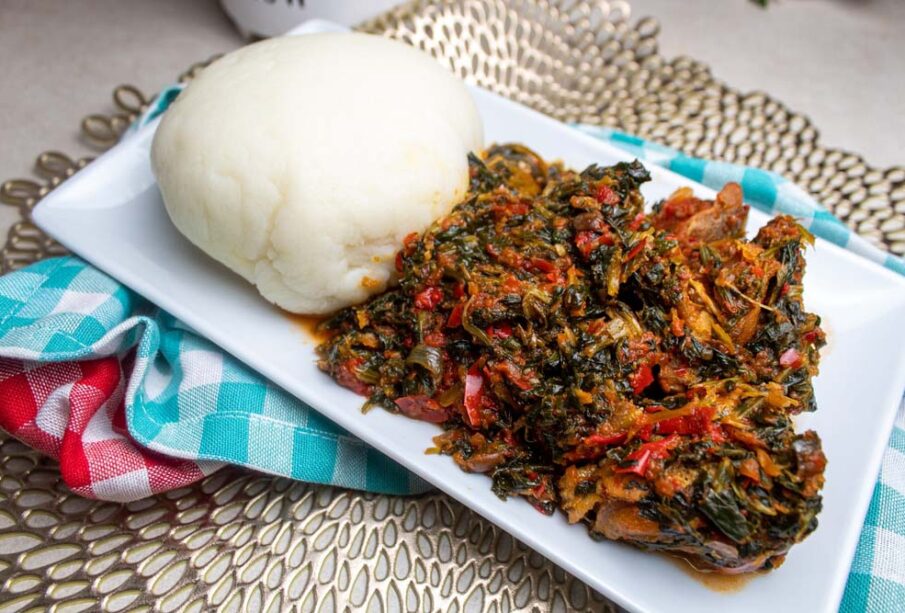
Fufu refers to a variety of starchy foods prepared by pounding or processing ingredients such as cassava, yam, plantain, or other crops into a smooth, dough-like consistency.
It is eaten in several African countries, including Ghana, Nigeria, Côte d’Ivoire, Cameroon, and parts of Central Africa. Depending on the region, it may be served with soups such as egusi, groundnut, okra, or vegetable-based soups.
The appeal of fufu lies partly in its texture and the communal nature of eating it. Traditionally, people often eat it with their hands, using small portions of the food to scoop up soup.
3. Injera and Stew – Ethiopia and Eritrea
Injera is a fermented flatbread that plays a central role in Ethiopian and Eritrean cuisine. It is traditionally made from teff flour and has a distinctive slightly sour taste and spongy texture.
It is commonly served with stews and vegetables, including dishes such as doro wat and misir wat.
Meals featuring injera are often shared from a common serving platter, reinforcing the importance of communal dining. For many families, the experience of eating together is just as significant as the food itself.
4. Bunny Chow – South Africa
Bunny chow is one of South Africa’s most recognizable street foods. It consists of a hollowed-out loaf of bread filled with curry.
The dish developed in Durban and is strongly associated with the city’s Indian South African community. Despite its unusual name, bunny chow contains no rabbit.
Its popularity comes from its simplicity and practicality. The bread serves as both container and accompaniment, making it a convenient and filling meal.
5. Bobotie – South Africa
Bobotie is a South African dish featuring spiced minced meat topped with an egg-based mixture before being baked.
The dish reflects the country’s complex culinary history and has been influenced by Cape Malay cooking traditions. Spices such as curry powder, turmeric, cinnamon, and other seasonings give it a distinctive flavour.
Bobotie is commonly served with rice and additional accompaniments, making it a comforting home-style meal.
6. Couscous – North Africa
Couscous is one of North Africa’s most important traditional foods and is particularly associated with countries such as Morocco, Algeria, and Tunisia.
It consists of small steamed granules traditionally made from semolina. It is commonly served with vegetables, chickpeas, meat, or rich stews.
Couscous has deep roots in the food traditions of North African and Amazigh communities. Its preparation and serving styles vary considerably across the region.
Today, it remains an important part of family meals and celebrations.
7. Tagine – Morocco
Tagine refers both to a traditional cooking vessel and to the slow-cooked dishes prepared inside it.
Moroccan tagines can contain combinations of meat, vegetables, dried fruits, olives, and aromatic spices. Slow cooking allows the ingredients to develop rich flavours and tender textures.
Because tagines can be prepared in many different ways, the dish has become a symbol of Moroccan home cooking and hospitality.
8. Ndolé – Cameroon
Ndolé is a traditional Cameroonian dish prepared using bitter leaves, groundnuts, and commonly meat, fish, or seafood.
It is particularly associated with the Sawa communities of Cameroon and is often served during important gatherings and celebrations.
The combination of bitter greens and rich groundnut flavours creates a distinctive dish that demonstrates how African cuisines balance contrasting tastes and textures.
9. Matoke – Uganda and East Africa
Matoke is a popular dish in Uganda and other parts of East Africa. It is traditionally prepared using green cooking bananas, which are steamed, boiled, or cooked into a soft meal.
Matoke can be served with meat, beans, groundnut sauce, or other stews.
Because bananas grow abundantly in several parts of East Africa, they have become an important part of local food culture. For many Ugandan households, matoke represents familiar home cooking.
10. Pilau – East Africa
East African pilau is a fragrant rice dish strongly associated with countries such as Kenya and Tanzania.
It typically contains rice cooked with spices such as cardamom, cloves, cinnamon, and cumin, along with meat or other ingredients.
The dish reflects centuries of cultural exchange along the East African coast, particularly the influence of Swahili, Arab, Indian, and African culinary traditions.
Pilau is especially popular during celebrations and family gatherings.
11. Doro Wat – Ethiopia
Doro wat is a rich Ethiopian chicken stew prepared with spices and berbere, a characteristic Ethiopian spice mixture.
The dish is frequently served with injera and is particularly associated with holidays, celebrations, and important family meals.
Its slow preparation and bold flavours make it a classic example of Ethiopian comfort food.
12. Egusi Soup – West Africa
Egusi soup is popular across parts of West Africa, particularly Nigeria and neighbouring countries. It is prepared using ground melon seeds, vegetables, spices, and ingredients such as meat, fish, or seafood.
The exact recipe varies significantly between communities. Some versions are thick and rich, while others contain more leafy vegetables or different proteins.
It is commonly eaten with fufu, pounded yam, garri, or other starchy foods.
13. Groundnut Stew – West Africa
Groundnut stew, also known by different names across West Africa, uses peanuts or groundnuts as a major ingredient.
The dish can include tomatoes, vegetables, meat, chicken, or fish and is often served with rice, millet, couscous, or other staples.
Groundnut-based dishes demonstrate the importance of peanuts in West African food traditions and the region’s ability to transform relatively simple ingredients into deeply flavoured meals.
Why African Comfort Foods Remain Important
African comfort foods continue to thrive because they connect people with home and heritage. Recipes are frequently passed from parents and grandparents to younger generations, sometimes without written measurements.
These dishes also demonstrate Africa’s culinary diversity. A single ingredient, such as cassava, rice, maize, plantain, or groundnuts, can be prepared in dramatically different ways depending on the region.
Migration has also helped African comfort foods travel beyond their places of origin. African restaurants and diaspora communities now introduce these dishes to new audiences around the world.
Preserving African Food Traditions
As lifestyles change and cities become increasingly fast-paced, traditional cooking practices can sometimes become less common. Preserving African comfort foods therefore involves more than protecting recipes.
Families can keep these traditions alive by teaching younger generations how dishes are prepared, documenting family recipes, supporting local food producers, and continuing to serve traditional meals during gatherings.
At the same time, African cuisines continue to evolve. New generations are adapting traditional dishes to modern kitchens, dietary preferences, and busy lifestyles while maintaining their cultural foundations.
Conclusion
African comfort foods tell stories of history, migration, agriculture, trade, family, and community. From jollof rice and fufu in West Africa to injera in Ethiopia, couscous in North Africa, and matoke in East Africa, these meals demonstrate the richness of the continent’s culinary heritage.
Their enduring popularity shows that comfort food is not simply about taste. It is also about memory, identity, belonging, and the people with whom a meal is shared.




Leave a reply







Africa’s Source for Breaking News | Entertainments | Health | Finance | Sports | Lifestyle and Business News.


