
Cocoa Value Addition in Africa
Cocoa Value Addition in Africa
Why Cocoa Value Addition Is Africa’s Quiet Goldmine, and How Ghana Fits In
Africa has spent generations supplying the world with valuable raw materials, yet the biggest profits often emerge further along the production chain. Cocoa offers a powerful example. West African countries grow substantial quantities of cocoa beans, but the journey from harvested beans to chocolate, cosmetics, beverages and other finished products creates opportunities for additional income, industrial development and employment.
Cocoa value addition means processing raw cocoa into products with greater commercial value instead of selling only the unprocessed beans. For African economies, it offers an opportunity to develop local manufacturing, strengthen domestic businesses and capture more economic benefits from a globally traded commodity.
Ghana occupies an important position in this conversation. Its established cocoa sector provides a foundation for expanding processing, product development and exports. However, the opportunity involves more than building factories. It requires reliable infrastructure, access to finance, skilled workers, competitive production costs and customers willing to buy African-made products.
What Is Cocoa Value Addition?
Cocoa value addition involves transforming cocoa beans or intermediate cocoa products into goods that serve different markets.
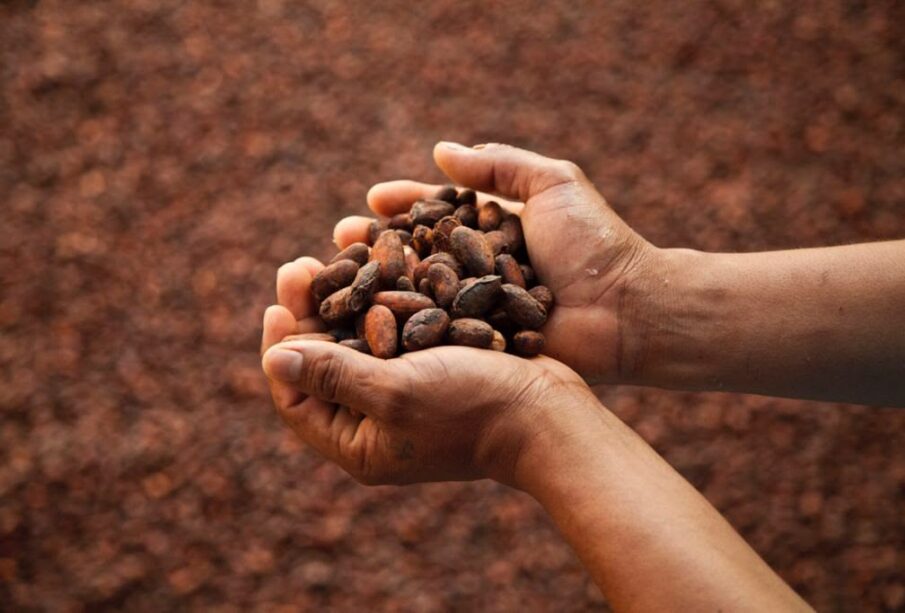
After farmers harvest cocoa pods, workers extract the beans, ferment them and dry them. The beans can then be sold to processors, who clean, roast and grind them. Processing separates cocoa into components such as cocoa liquor, cocoa butter and cocoa powder.
These ingredients can supply manufacturers producing chocolate, drinks, bakery products, confectionery, cosmetics and other goods. Further processing, packaging, branding and distribution can create additional commercial opportunities.
Each stage requires different capabilities, investment and market access. Processing beans into cocoa butter, for example, is different from manufacturing and selling a finished chocolate bar.
Value addition does not guarantee higher profits automatically. Processors must pay for equipment, energy, labour, packaging, transport, quality control and financing. Their products must also meet the standards expected by buyers.
Nevertheless, developing more stages of the cocoa supply chain within producing countries can create opportunities that raw-bean exports alone may not provide.
Why Cocoa Value Addition Matters for Africa
1. It Can Keep More Economic Activity at Home
When a country exports raw cocoa beans, much of the subsequent processing and manufacturing may happen elsewhere. The producing country receives income from the beans, but businesses in other markets may earn additional revenue from processing, branding, retailing and distribution.
Expanding local processing can help African countries participate in more stages of the value chain. Domestic firms can supply ingredients to manufacturers, create finished products and develop relationships with retailers and international buyers.
The actual economic benefit depends on ownership, local sourcing, wages, taxes and the profitability of each operation. A processing plant owned locally and connected to domestic suppliers may distribute value differently from a facility that imports most inputs and sends its profits abroad.
Even so, building productive local industries offers a pathway towards broader economic participation.
2. It Creates Opportunities Beyond Farming
Cocoa value addition can support employment in manufacturing, engineering, packaging, logistics, marketing, quality assurance and product design.
A processing business needs more than cocoa beans. It requires technicians to maintain machinery, workers to operate production lines, professionals to manage food safety and teams to move products to customers.
Local suppliers may also benefit. Packaging manufacturers, transport companies, equipment-maintenance businesses and commercial distributors can gain new customers as processing expands.
For young Africans, this creates opportunities beyond traditional agricultural work. A graduate in food science, for example, might develop cocoa-based products, while a graphic designer could help a local chocolate brand build a distinctive identity.
3. It Encourages Product Innovation
Cocoa is not limited to conventional chocolate bars. Entrepreneurs can explore cocoa beverages, baking ingredients, cocoa-based spreads, confectionery, gift products and other goods suited to particular customer groups.
However, every product needs a clear market. A premium chocolate brand aimed at tourists may require different packaging and distribution from an affordable cocoa drink designed for everyday consumption.
Local knowledge can help manufacturers develop products that reflect regional tastes, purchasing power and cultural preferences. Businesses can test products in small batches, collect feedback and improve their recipes before expanding production.
Innovation also involves using suitable cocoa by-products where technically and economically feasible. For example, cocoa shells may have potential uses in certain applications, subject to food-safety, regulatory and processing considerations.
The goal should be to identify commercially viable uses rather than assume that every by-product can generate easy income.
How Ghana Fits into the Opportunity
Ghana is internationally recognised for its cocoa industry and has an established network of farmers, buyers, processors and supporting institutions. This creates a foundation for expanding domestic processing and manufacturing.
The country’s cocoa sector is associated with the Ghana Cocoa Board, commonly known as COCOBOD, which plays a central role in the organisation and regulation of the cocoa industry. Businesses exploring opportunities should consult official Ghanaian sources for current sector policies, licensing requirements and relevant programmes.
Ghana also has opportunities to develop products for domestic consumers, regional African markets and international buyers. However, the requirements differ across these markets.
A business selling chocolate locally may focus on retail relationships, product affordability and dependable supply. An exporter may need to meet additional buyer specifications, documentation requirements and destination-market regulations.
Ghana’s opportunity therefore lies not only in increasing processing capacity, but also in developing competitive products, improving market access and supporting businesses capable of sustaining production over time.
The Biggest Challenges Facing Cocoa Processing
High Production and Energy Costs
Processing cocoa requires machinery, electricity, skilled labour, packaging and reliable transport. When these inputs are expensive or inconsistent, local manufacturers can struggle to compete with established international producers.
Energy reliability matters particularly for operations that depend on continuous production. Interruptions can affect output, increase operating costs and complicate delivery commitments.
Businesses need realistic cost calculations before investing in processing equipment. Access to reliable energy, suitable facilities and efficient production methods can influence whether a factory remains commercially viable.
Access to Finance
Cocoa processing often requires substantial investment in equipment, facilities, quality control and working capital.
Young entrepreneurs may struggle to obtain affordable funding, particularly when they lack collateral, an established trading record or predictable contracts.
Partnerships can help distribute the investment burden. A business might work with existing processors, contract manufacturers or established distributors before committing to its own factory.
For some entrepreneurs, developing a cocoa-based product using a qualified manufacturing partner may be a more practical starting point than building a processing plant immediately.
Quality and Market Access
Buyers expect products to meet clear specifications for safety, consistency, taste, packaging and shelf life.
A manufacturer that produces an excellent first batch must still demonstrate that it can maintain quality across future orders. Export markets may also require compliance with applicable food-safety, labelling, traceability and import regulations.
Businesses should identify these requirements before production begins. Otherwise, they risk manufacturing goods that cannot enter their intended markets.
Global Competition and Branding
Producing cocoa products is only one part of building a successful business. Manufacturers must also persuade customers to buy them.
International chocolate brands often benefit from established distribution networks, strong consumer recognition and significant marketing budgets.
African businesses can compete by identifying specific market segments, creating distinctive products and building trust through consistent quality. Competing on price alone may be difficult, particularly when production costs remain high.
Practical Opportunities for Young African Entrepreneurs
Young entrepreneurs do not necessarily need to own cocoa farms or large factories to participate in the value chain.
First, explore product development. Research cocoa drinks, baking ingredients, confectionery and other products that suit a clearly defined customer group. Test demand before investing heavily.
Second, investigate contract manufacturing. An entrepreneur may work with an existing, qualified processor to develop a product under an agreed arrangement. This can reduce the need for immediate investment in production equipment.
Third, develop packaging and branding services. Processors and emerging chocolate businesses need labels, product photography, packaging design, marketing and distribution support.
Fourth, build distribution networks. Businesses can connect local manufacturers with supermarkets, hotels, restaurants, bakeries and other commercial customers.
Finally, develop technical expertise. Training in food science, manufacturing, quality assurance and supply-chain management can help young professionals enter the industry.
Before launching a product, investigate customer demand, input costs, shelf life, applicable regulations and realistic selling prices. A promising concept still needs a workable business model.
What Governments and Industry Can Do
Governments, industry organisations, financial institutions and educational establishments can support cocoa value addition through coordinated investment.
Reliable infrastructure and access to suitable industrial facilities can lower operating difficulties. Financing arrangements designed around realistic business plans may help viable processors invest in equipment and working capital.
Technical training can strengthen manufacturing skills, while research institutions can help businesses improve product quality and develop new applications.
Governments can also support market access by helping businesses understand applicable standards and export procedures. However, support programmes should be assessed by their practical results, transparency and ability to help firms become commercially sustainable.
Regional trade can provide additional opportunities. African manufacturers may be able to reach customers in neighbouring countries, although they must still manage transport, customs procedures, product standards and other relevant requirements.
Conclusion
Cocoa value addition represents an important opportunity for African economies to move beyond exporting raw materials and develop more manufacturing, skilled employment and locally owned brands. Ghana’s established cocoa sector gives it a meaningful foundation for pursuing this opportunity.
However, success will depend on more than increasing processing capacity. Businesses need competitive costs, dependable infrastructure, technical expertise, effective branding and access to customers.
For young African entrepreneurs, the most realistic starting point may be a focused product, a distribution service or a partnership with an existing processor. With sound research and disciplined execution, cocoa can support businesses that create value closer to the communities where the crop originates.




Leave a reply





Africa’s Source for Breaking News | Entertainments | Health | Finance | Sports | Lifestyle and Business News.


