
Community Development Success Stories
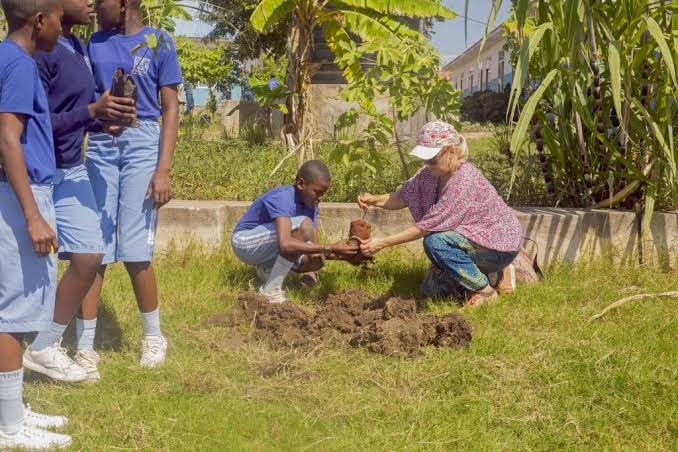
Community Development Success Stories
Community Development Success Stories: Inspiring Change Across Africa
Across Africa, community development is proving that meaningful change does not always begin with large government projects or international organizations. More often, it starts with ordinary people who identify local challenges and work together to create practical, lasting solutions. From improving access to clean water and education to boosting agriculture and supporting women-led businesses, communities across the continent are transforming lives through collaboration, innovation, and resilience.
These success stories demonstrate that when people are empowered to shape their own future, remarkable progress becomes possible. They also offer valuable lessons for other communities seeking sustainable development.
What Is Community Development?
Community development is the process of improving the economic, social, environmental, and cultural well-being of a community through collective action. It focuses on helping people identify their needs, mobilize local resources, and implement solutions that benefit everyone.
Successful community development often involves partnerships between residents, local governments, businesses, non-governmental organizations, and development agencies. However, the most sustainable projects are those driven by the community itself.
Why Community Development Matters
Strong communities are the foundation of national development. When local people have access to better education, healthcare, clean water, infrastructure, and economic opportunities, entire regions become more prosperous.
Community development contributes to:
- Poverty reduction
- Improved public health
- Better educational outcomes
- Economic empowerment
- Environmental sustainability
- Stronger social unity
- Increased resilience during crises
These improvements create opportunities that can be passed on to future generations.
Success Story 1: Farmer Cooperatives Boosting Rural Economies
Across several African countries, smallholder farmers have formed cooperatives that allow them to purchase farming inputs collectively, share equipment, access better markets, and negotiate higher prices for their produce.
By working together instead of individually, farmers have increased productivity and improved household incomes. Many cooperatives also provide financial literacy training, savings groups, and access to affordable credit.
As a result, communities have experienced:
- Higher crop yields
- Increased food security
- Better school attendance for children
- Reduced rural poverty
Success Story 2: Women Leading Community Transformation
Women are playing an increasingly important role in community development. Across Africa, women-led associations have established savings groups, vocational training centres, and small businesses that provide employment and financial independence.
Many of these groups invest profits into community projects such as:
- Building classrooms
- Supporting healthcare clinics
- Providing scholarships
- Improving sanitation facilities
- Assisting vulnerable families
Their leadership has strengthened local economies while promoting gender equality and social inclusion.
Success Story 3: Youth Creating Employment Through Innovation
Young Africans are solving local problems using technology and entrepreneurship.
In many communities, youth organizations have created digital training centres where young people learn coding, graphic design, digital marketing, photography, and online freelancing.
Others have launched recycling businesses, agricultural startups, renewable energy solutions, and community logistics services.
These initiatives have:
- Reduced youth unemployment
- Encouraged innovation
- Created new sources of income
- Inspired entrepreneurship among younger generations
Success Story 4: Community-Led Water Projects
Access to clean water remains a challenge in some rural communities. Instead of waiting for outside assistance, many villages have organized fundraising efforts and partnered with development organizations to construct boreholes, rainwater harvesting systems, and community wells.
Residents often establish water management committees responsible for maintenance and sustainability.
The results include:
- Reduced waterborne diseases
- Improved hygiene
- Less time spent collecting water
- Greater school attendance, especially among girls
Success Story 5: Community Health Volunteers Saving Lives
In several African communities, trained volunteers serve as the first point of healthcare for many families.
These volunteers educate residents about:
- Maternal health
- Child nutrition
- Vaccination
- Malaria prevention
- Family planning
- Disease awareness
Their work has significantly improved public health by increasing awareness and encouraging early medical intervention.
Success Story 6: Education Through Community Participation
Many schools across Africa have been built or renovated through community contributions. Parents donate labour, local businesses provide materials, and volunteers help construct classrooms, libraries, and sanitation facilities.
Communities also organize mentorship programmes, reading clubs, and scholarship funds to support students from disadvantaged backgrounds.
These collaborative efforts have increased school enrollment and improved educational outcomes.
Success Story 7: Environmental Conservation Projects
Environmental sustainability has become a growing focus of community development.
Communities have successfully launched projects involving:
- Tree planting campaigns
- Community forests
- Waste recycling
- Plastic collection programmes
- Sustainable farming
- Wetland conservation
These initiatives help combat climate change while protecting natural resources for future generations.
Common Factors Behind Successful Community Development
While every community is unique, successful projects often share several important characteristics.
Strong Local Leadership
Effective leaders inspire participation, build trust, and coordinate development efforts without excluding community members.
Community Ownership
Projects are more sustainable when residents participate in planning, implementation, and maintenance rather than relying entirely on external support.
Partnerships
Collaboration between communities, governments, NGOs, educational institutions, and private businesses often increases access to funding, expertise, and technical support.
Transparency
Clear communication and responsible financial management build trust and encourage continued participation.
Continuous Learning
Successful communities regularly evaluate projects, learn from challenges, and adapt their strategies over time.
Challenges Communities Continue to Face
Despite inspiring progress, many communities still encounter obstacles, including:
- Limited funding
- Poor infrastructure
- Climate change
- Youth migration
- Inadequate healthcare
- Limited access to technology
- Weak policy implementation
Addressing these challenges requires long-term commitment from all stakeholders.
Lessons Other Communities Can Learn
Community development success stories demonstrate that lasting progress is rarely achieved overnight. Instead, it grows through consistent effort, shared responsibility, and a commitment to solving local problems together.
Communities looking to begin their own development journey can start by:
- Identifying their most pressing needs
- Encouraging inclusive participation
- Building local leadership
- Forming community groups
- Partnering with development organizations
- Investing in education and skills development
- Monitoring project outcomes regularly
Even modest initiatives can create meaningful change when communities remain committed to their goals.
The Future of Community Development in Africa
Africa’s future depends significantly on the strength of its communities. As digital technology expands, renewable energy becomes more accessible, and young entrepreneurs continue to innovate, community-led development is expected to play an even greater role in improving lives.
Governments, businesses, civil society organizations, and local residents all have an opportunity to collaborate in creating healthier, safer, and more prosperous communities.
By learning from successful initiatives already taking place across the continent, more communities can replicate proven solutions while adapting them to local circumstances.
Conclusion
Community development success stories remind us that positive change begins with people who believe in improving their surroundings. Whether through agriculture, education, healthcare, environmental conservation, entrepreneurship, or social inclusion, African communities continue to demonstrate remarkable resilience and creativity.
Their achievements show that sustainable development is most effective when local people are actively involved in designing and implementing solutions. As these success stories continue to inspire others, they reinforce a powerful message: thriving communities build thriving nations.




Leave a reply







Africa’s Source for Breaking News | Entertainments | Health | Finance | Sports | Lifestyle and Business News.


