
Corruption in Côte d’Ivoire: Reforms That Worked
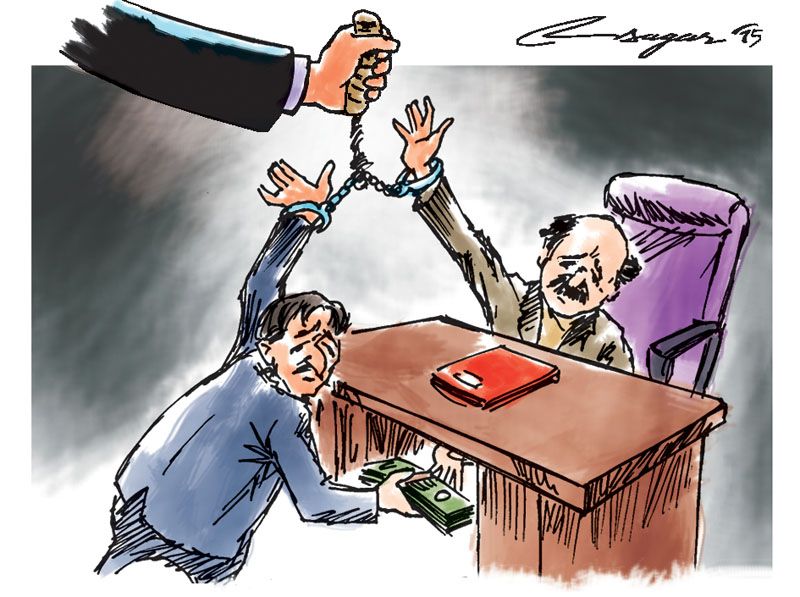
Corruption in Côte d’Ivoire: Reforms That Worked
Corruption remains a challenge across many African countries, affecting public services, business confidence, government spending, and citizens’ trust in public institutions.
Côte d’Ivoire, one of West Africa’s major economies, has spent years introducing reforms intended to improve transparency, strengthen accountability, and reduce opportunities for the misuse of public funds.
Some of these measures have produced measurable results. Electronic public procurement, asset declaration requirements, digital reporting platforms, and stronger financial oversight have helped establish systems for preventing and detecting corruption. However, progress remains uneven, and the existence of a law or institution does not automatically guarantee effective enforcement.
Côte d’Ivoire’s experience offers valuable lessons for African countries seeking practical ways to tackle corruption. Its reforms demonstrate the importance of combining technology, institutional oversight, public participation, and credible consequences for wrongdoing.
Understanding Côte d’Ivoire’s Fight Against Corruption
Following the political crisis of 2010–2011, Côte d’Ivoire pursued reforms aimed at rebuilding institutions and improving the business environment. The government introduced new laws, established specialised agencies, and strengthened controls over public finances.
One important development was the creation of the High Authority for Good Governance, known by its French acronym, HABG, in 2013. The institution coordinates important anti-corruption activities, promotes ethical conduct, and supports the prevention and investigation of corruption-related offences.
The country also ratified international anti-corruption conventions and introduced measures covering public financial management, access to information, asset declarations, and public procurement. According to the International Monetary Fund (IMF), these reforms formed part of a broader effort to strengthen governance and improve the management of public resources.
Nevertheless, earlier assessments identified weaknesses in coordination, enforcement powers, and the effectiveness of anti-corruption institutions. This distinction matters because successful reform depends not only on creating rules but also on ensuring that authorities apply them consistently.
1. Digital Public Procurement Reduced Opportunities for Secrecy
Public procurement is particularly vulnerable to corruption because governments spend substantial amounts on roads, schools, hospitals, equipment, and other public projects. When officials control contract awards without sufficient transparency, favouritism, inflated prices, and undisclosed conflicts of interest can become difficult to detect.
Côte d’Ivoire has responded by expanding electronic procurement and digitising parts of its public contracting process. These systems reduce dependence on paper-based procedures and create digital records of transactions, submissions, and decisions.
The reforms also support greater transparency by encouraging the publication of contract information and procurement audit reports. In addition, the government has pursued measures to limit the use of direct contracting, which can reduce competition when officials award contracts without an open process.
The IMF reported that Côte d’Ivoire was working towards making electronic procurement mandatory for at least 80% of conventional procurement transactions above CFA francs 100 million during the period from July 2024 to June 2025.
The significance of this reform lies in its ability to make public spending easier to monitor. However, digital procurement does not eliminate corruption automatically. Officials could still manipulate tender requirements, favour connected businesses, or conceal beneficial ownership. Effective audits and consequences for misconduct remain essential.
Source: IMF report on Côte d’Ivoire’s economic and governance reforms.
2. Asset Declarations Strengthened Accountability
Another important reform involves requiring certain public officials to declare their assets. This measure aims to discourage unexplained wealth and help authorities identify potential conflicts of interest.
Côte d’Ivoire has expanded the categories of officials covered by asset declaration requirements and introduced systems to improve compliance. According to the IMF, the declaration rate reached approximately 90% in 2024, meeting the government’s target.
This represents measurable progress in getting officials to comply with an established accountability requirement. It also creates a foundation for checking whether public servants’ financial circumstances are consistent with their declared income.
However, filing a declaration is only the first step. Authorities must verify the information, investigate suspicious discrepancies, and apply appropriate sanctions when officials violate the rules. Public access to relevant information can also strengthen independent scrutiny.
The IMF has therefore emphasised the importance of modernising the asset declaration system, introducing risk-based verification, and enforcing sanctions. These steps could help transform compliance statistics into more meaningful accountability.
3. Digital Reporting Made It Easier to Report Corruption
Citizens and businesses may witness corruption but hesitate to report it because they fear retaliation, doubt that authorities will respond, or lack a clear reporting channel.
Côte d’Ivoire has sought to address this challenge through digital reporting mechanisms, including the SIGNALIS platform, which receives complaints and reports concerning alleged corruption.
According to an IMF report published in 2025, SIGNALIS received 472 complaints and reports during 2024. The reports contributed to criminal investigations, arrests, and referrals to judicial authorities. Another IMF account recorded 15 criminal investigations and the arrest and referral of 32 public officials to the specialised Economic and Financial Criminal Division during the second half of 2024.
These figures demonstrate that the reporting system generated follow-up activity rather than merely collecting complaints. Nevertheless, they do not establish that every allegation was proven or that corruption declined across the country.
The broader lesson is that reporting platforms work best when citizens can submit information safely and authorities can track cases through investigation and prosecution. Strong confidentiality protections, reliable case management, and safeguards against malicious accusations are equally important.
Source: IMF assessment of Côte d’Ivoire’s anti-corruption measures.
4. Stronger Financial Oversight Improved Public Accountability
Corruption can thrive when public institutions spend money without effective independent scrutiny. For this reason, Côte d’Ivoire has strengthened financial oversight through institutions responsible for auditing government accounts, inspecting public administration, and supervising procurement.
The Court of Accounts, known as the Cour des comptes, was installed in 2018 and reinforced in 2019. Its role contributes to the broader framework for examining public finances and holding institutions accountable for their management of state resources.
The country also has bodies such as the General Inspectorate of Finance and the National Public Procurement Regulatory Authority. These institutions perform different functions within the public accountability system.
Their value lies in identifying irregularities, examining financial records, and supporting corrective action. Audits can reveal weaknesses that ordinary administrative checks might overlook, while procurement reviews can help identify questionable contracting practices.
However, oversight only produces lasting results when findings lead to action. Authorities need to investigate serious irregularities, recover misused funds where legally possible, and ensure that responsible individuals face appropriate consequences.
5. A National Strategy Created a More Coordinated Approach
Côte d’Ivoire adopted its National Anti-Corruption Strategy for 2024–2028 in June 2024. The strategy established a broader framework for coordinating prevention, public oversight, investigations, enforcement, and evaluation.
The associated National Anti-Corruption Programme for 2025–2028 translates this framework into operational activities. According to the IMF, its four main components cover legal and institutional strengthening, prevention and citizen oversight, supervision and enforcement, and programme coordination and evaluation.
This approach addresses a problem identified in earlier assessments: the existence of several anti-corruption bodies does not guarantee effective cooperation. Without clear responsibilities and information-sharing arrangements, institutions can duplicate work or leave important gaps.
A coordinated strategy can establish common priorities, assign responsibilities, and help authorities measure progress. Yet its effectiveness ultimately depends on adequate funding, institutional independence, trained investigators, and transparent reporting of results.
What Has Actually Worked, and What Remains Unfinished?
Côte d’Ivoire’s experience suggests that some reforms have delivered measurable administrative progress. Asset declaration compliance has increased, electronic procurement has expanded, and digital reporting has generated investigations and referrals to judicial authorities.
However, these outcomes must be distinguished from proof of a sustained reduction in corruption itself. Higher reporting figures might reflect greater awareness or improved access to reporting channels. Likewise, increased asset declarations do not necessarily demonstrate that officials’ wealth has been independently verified.
Transparency International’s assessment of Côte d’Ivoire also highlights persistent concerns about enforcement, the visibility of investigation outcomes, and public confidence in the government’s ability to tackle corruption.
The country therefore faces several continuing priorities: protecting whistleblowers, improving coordination between institutions, strengthening independent verification, publishing meaningful enforcement results, and ensuring that legal requirements apply consistently.
Lessons Other African Countries Can Learn
Côte d’Ivoire offers several practical lessons for governments seeking to improve accountability.
First, digitising public services can create records that make transactions easier to examine. Second, asset declaration systems need verification and sanctions to be effective. Third, citizens need accessible reporting channels and confidence that complaints will receive fair treatment. Finally, independent audits and transparent case outcomes help demonstrate whether institutions are fulfilling their responsibilities.
These measures are not quick fixes. They require sustained investment, institutional cooperation, and political commitment. Countries must also adapt reforms to their own legal systems, administrative capacity, and social conditions.
Conclusion
Côte d’Ivoire’s fight against corruption illustrates both the value and the limitations of institutional reform. Electronic procurement, asset declarations, digital complaint platforms, financial oversight, and a national anti-corruption strategy have established important mechanisms for improving transparency and accountability.
Some of these measures have produced measurable administrative results, but their long-term impact depends on consistent enforcement and public scrutiny. The real test is not how many policies a government adopts, but whether those policies prevent misconduct, expose wrongdoing, and ensure fair consequences.
For Africa, the central lesson is clear: anti-corruption reforms become more credible when transparency is supported by verification, independent oversight, and effective enforcement. Côte d’Ivoire’s progress offers useful examples, while its remaining challenges show why the work must continue.



Leave a reply




Africa’s Source for Breaking News | Entertainments | Health | Finance | Sports | Lifestyle and Business News.


