
Lesser-Known Historical Sites Across Africa
Lesser-Known Historical Sites Across Africa
Africa is home to some of the world’s oldest civilizations, remarkable kingdoms, and cultural traditions that have shaped human history for thousands of years.
While famous destinations like the Pyramids of Giza, Victoria Falls, and Table Mountain attract millions of visitors every year, countless lesser-known historical sites remain hidden from mainstream tourism.
These overlooked landmarks tell fascinating stories of ancient trade routes, powerful empires, religious movements, indigenous cultures, and architectural brilliance. Visiting them not only offers a richer understanding of Africa’s diverse heritage but also supports local communities working to preserve these cultural treasures.
In this article, we explore some of Africa‘s most remarkable yet underappreciated historical sites that deserve greater recognition.
Why Hidden Historical Sites Matter
Historical sites preserve the memories of civilizations that came before us. They help people understand cultural identities, historical achievements, and lessons from the past.
Many lesser-known sites also:
- Promote cultural tourism
- Generate income for local communities
- Encourage historical research
- Preserve traditional architecture
- Protect archaeological discoveries
- Inspire younger generations
Exploring beyond famous attractions allows travelers to experience Africa from a fresh perspective.
1. Sukur Cultural Landscape (Nigeria)
Located in northeastern Nigeria, the Sukur Cultural Landscape is a remarkable mountain settlement known for its ancient stone architecture and terraced farming.
Dating back several centuries, Sukur served as an important political, economic, and spiritual center. Visitors can explore:
- Ancient stone houses
- Traditional iron-smelting sites
- Sacred religious spaces
- Royal palace remains
- Beautiful mountain scenery
The community still preserves many traditional customs, making it a living cultural landscape rather than simply an archaeological site.
2. Thimlich Ohinga (Kenya)
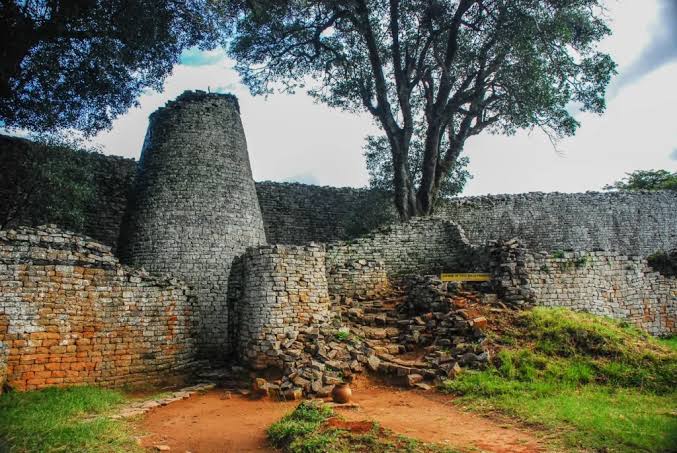
Hidden in western Kenya lies Thimlich Ohinga, one of East Africa’s greatest archaeological treasures.
The site features massive dry-stone walls constructed without mortar. Historians believe the structures were built between the 15th and 16th centuries for protection against raids and wild animals.
Highlights include:
- Circular stone enclosures
- Ancient settlement remains
- Traditional building techniques
- Rich archaeological findings
The engineering skills demonstrated by the builders continue to impress researchers today.
3. Loropéni Ruins (Burkina Faso)
The Loropéni Ruins are among West Africa’s oldest surviving stone fortifications.
Surrounded by thick forests, these walls were built over several centuries and were connected to the trans-Saharan gold trade.
Visitors can discover:
- Massive stone walls
- Ancient defensive structures
- Historical trade routes
- Archaeological excavation sites
Despite their historical importance, the ruins remain relatively unknown to international tourists.
4. Tiya Archaeological Site (Ethiopia)
Tiya is famous for its mysterious carved stone monuments known as stelae.
More than thirty decorated stone pillars stand across the landscape, many featuring intricate symbols that historians still debate today.
The site reflects an advanced medieval society whose traditions remain partially unexplained.
Visitors often leave fascinated by the mystery surrounding these impressive monuments.
5. Kondoa Rock Art Sites (Tanzania)
Scattered across central Tanzania are hundreds of ancient rock shelters decorated with prehistoric paintings.
Created by hunter-gatherer communities thousands of years ago, the artwork depicts:
- Hunting scenes
- Ritual ceremonies
- Wildlife
- Human figures
- Spiritual symbols
These paintings provide valuable insight into early African societies.
6. Chinguetti Old Town (Mauritania)
Deep within the Sahara Desert lies Chinguetti, one of Africa’s oldest Islamic cities.
Founded in the 13th century, it became a major center of Islamic scholarship and trans-Saharan trade.
Historic attractions include:
- Ancient mosques
- Handwritten manuscript libraries
- Traditional desert architecture
- Narrow stone streets
Many priceless manuscripts covering astronomy, mathematics, medicine, and religion are still preserved by local families.
7. Kasubi Tombs (Uganda)
The Kasubi Tombs serve as the royal burial grounds of the Buganda Kingdom.
The site showcases remarkable examples of traditional African architecture using:
- Reed
- Timber
- Grass
- Bark cloth
Besides being an important historical site, the tombs remain an active spiritual center for the Buganda people.
8. Kunta Kinteh Island (The Gambia)
Situated along the Gambia River, Kunta Kinteh Island tells the painful story of the transatlantic slave trade.
European traders once used the island as a holding point before enslaved Africans were transported across the Atlantic.
Visitors can see:
- Fort ruins
- Colonial buildings
- Museums
- Historical exhibits
The island serves as a place of remembrance and education.
9. Mapungubwe Cultural Landscape (South Africa)
Before the rise of Great Zimbabwe, Mapungubwe was one of southern Africa’s earliest kingdoms.
The civilization flourished through long-distance trade involving:
- Gold
- Ivory
- Glass beads
- Ceramics
Archaeologists have uncovered sophisticated artifacts, including the famous golden rhinoceros, demonstrating the kingdom’s wealth and craftsmanship.
10. Takwa Ruins (Tanzania)
Located on an island off Tanzania’s coast, Takwa was once a thriving Swahili trading town.
Its coral stone buildings reveal centuries of Indian Ocean commerce involving Africa, Arabia, Persia, and Asia.
Visitors can explore:
- Ancient mosques
- Stone houses
- Wells
- City walls
- Tombs
The peaceful surroundings add to the site’s historical charm.
Common Features of These Hidden Sites
Although spread across different regions, many of these historical sites share common characteristics:
- Rich cultural traditions
- Ancient engineering achievements
- Connections to trade networks
- Religious significance
- Archaeological importance
- Community preservation efforts
Together, they demonstrate the diversity and sophistication of African civilizations throughout history.
Challenges Facing Historical Preservation
Many lesser-known historical sites face significant threats.
These include:
- Urban expansion
- Climate change
- Illegal excavations
- Vandalism
- Limited funding
- Low tourism awareness
- Armed conflicts in some regions
Governments, cultural organizations, and local communities continue working together to preserve these irreplaceable landmarks.
Responsible Tourism Tips
Travelers can help protect historical sites by adopting responsible tourism practices.
Some simple ways include:
- Respect local customs and traditions.
- Avoid climbing on fragile structures.
- Do not remove artifacts or stones.
- Hire local guides to support the community.
- Dispose of waste properly.
- Follow photography guidelines where applicable.
- Learn about the site’s history before visiting.
Responsible visitors contribute to long-term conservation efforts.
The Future of Africa’s Hidden Heritage
Growing interest in cultural tourism is bringing new attention to Africa’s lesser-known historical destinations. Improved infrastructure, digital storytelling, archaeological research, and community-led conservation projects are helping preserve these remarkable places while creating sustainable economic opportunities.
As more travelers seek authentic experiences beyond popular tourist attractions, these hidden gems have the potential to become important destinations for history enthusiasts, students, researchers, and cultural explorers alike.
Their preservation will ensure that future generations can continue learning from Africa’s extraordinary past.
Conclusion
Africa’s hidden historical sites offer far more than ancient ruins, they are living reminders of innovation, resilience, faith, commerce, and cultural diversity. From the mountain settlements of Nigeria and the stone walls of Kenya to the manuscript libraries of Mauritania and the prehistoric rock art of Tanzania, each destination reveals a unique chapter in the continent’s rich history.
Exploring these lesser-known landmarks encourages a deeper appreciation of Africa’s heritage while supporting local communities dedicated to preserving it. Whether you are a traveler, historian, or simply curious about the world’s oldest civilizations, these remarkable sites demonstrate that some of Africa’s greatest historical treasures are found far from the usual tourist routes.




Leave a reply





Africa’s Source for Breaking News | Entertainments | Health | Finance | Sports | Lifestyle and Business News.


