
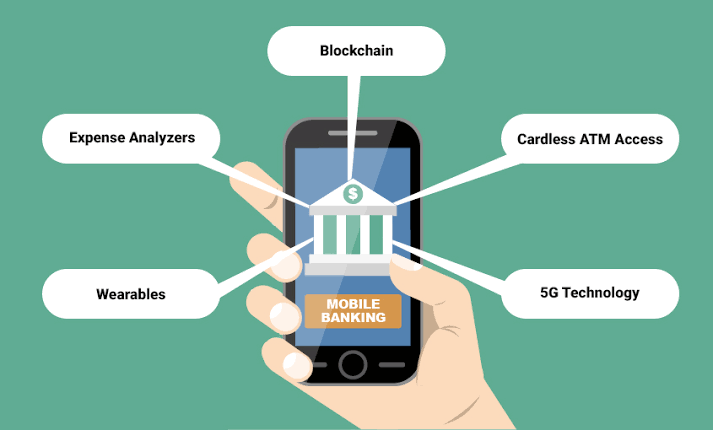
The Future of Mobile Banking
Mobile banking has changed the way people manage money.
What once required a visit to a bank branch can now happen through a smartphone within minutes. Customers can transfer money, pay bills, check account balances, buy airtime, receive payments and manage savings without standing in a queue.
Across Africa, mobile banking has become especially important. Large populations remain underserved by traditional banking systems, while mobile phone usage continues to expand. As technology improves, mobile banking is likely to become even more convenient, personalized and accessible.
Mobile Banking Is Becoming More Than Transfers
Early mobile banking focused mainly on basic services such as checking balances and transferring money. Today, mobile financial platforms offer a much wider range of services.
Users can make payments, access loans, save money, purchase insurance, receive salaries and manage business transactions from their phones. This shift is turning mobile banking apps into complete financial platforms.
The future will likely bring even more services into a single digital environment. Customers may manage investments, insurance, budgeting, subscriptions and international payments without switching between several platforms.
Artificial Intelligence Will Improve Banking Services
Artificial intelligence will play an important role in the future of mobile banking. Banks and fintech companies can use AI to understand customer behavior, identify unusual transactions and provide personalized financial guidance.
For example, an app could analyze a customer’s spending patterns and provide suggestions for managing monthly expenses. AI-powered systems can also detect suspicious activity more quickly, helping financial institutions respond to potential fraud.
Chatbots and virtual assistants may also become more sophisticated. Instead of waiting for customer service representatives, users could ask questions about transactions, account services or financial products and receive immediate assistance.
Mobile Banking Will Become More Inclusive
One of the biggest opportunities for mobile banking lies in financial inclusion. Traditional banks often require physical branches, extensive documentation and minimum balances. These requirements can create barriers for people in rural communities and low-income households.
Mobile banking can reduce some of these barriers. With a mobile phone and a suitable digital account, people can access financial services without living close to a bank branch.
In many African communities, mobile financial services can also help small traders, farmers, freelancers and informal businesses participate more easily in the formal economy.
Digital Payments Will Continue to Grow
Cash remains important in many African markets, but digital payments continue to gain ground. Consumers increasingly use phones to pay for goods, services, transportation, subscriptions and other everyday expenses.
The future may bring faster and more seamless payment systems. Customers could pay by scanning codes, tapping devices or using biometric authentication.
For businesses, digital payments can make transactions easier to track. They can also help entrepreneurs build financial records that may support future access to credit and other services.
Security Will Become a Major Priority
As mobile banking grows, security will become increasingly important. More digital transactions also create more opportunities for cybercriminals, fraudsters and scammers.
Banks will therefore continue investing in stronger security systems. Biometric authentication, device recognition, transaction monitoring and artificial intelligence can help protect customer accounts.
However, technology alone cannot eliminate every risk. Customers will still need to protect passwords, avoid suspicious links and verify financial requests before sending money.
Financial education will become an important part of mobile banking. Banks and fintech companies will need to teach customers how to recognize scams and protect their personal information.
Banking Without Traditional Branches
The traditional bank branch may not disappear completely, but its role is likely to change. As more customers adopt digital services, they may visit branches less frequently.
This could encourage banks to focus physical locations on complex services that require personal assistance, while routine transactions move almost entirely online.
For customers, this shift could mean greater convenience. Instead of planning a trip to a branch, they can complete many banking tasks from home, work or while travelling.
Mobile Banking and Small Businesses
Small businesses stand to benefit significantly from the continued development of mobile banking. Entrepreneurs can receive payments, pay suppliers, monitor transactions and manage business finances through mobile platforms.
Digital records can also make it easier for businesses to understand their cash flow. Over time, this information may help entrepreneurs make better decisions about pricing, inventory and expansion.
For small businesses operating in areas with limited banking infrastructure, mobile financial services can provide an important connection to the wider economy.
What the Future Could Look Like
The future of mobile banking will likely focus on three major ideas: convenience, personalization and accessibility.
Banking applications may become more intelligent, predicting customer needs and providing useful financial recommendations. Payments may become almost invisible, with customers completing transactions through connected devices and secure digital identities.
At the same time, financial services could become more accessible to people who have historically struggled to use traditional banking systems.
However, the growth of mobile banking must remain responsible. Financial institutions need to protect customer data, maintain transparent fees and ensure that digital financial products do not encourage harmful borrowing or financial decisions.
Conclusion
The future of mobile banking is closely connected to the future of everyday life. As smartphones, artificial intelligence, digital payments and financial technology continue to develop, banking will become increasingly integrated into the way people work, shop and manage their money.
For Africa, the opportunity is particularly significant. Mobile banking can help connect individuals and businesses to financial services while reducing some of the limitations created by distance and limited physical banking infrastructure.
The next generation of mobile banking will not simply make banking faster. It has the potential to make financial services more accessible, intelligent and convenient for millions of people.




Leave a reply






Africa’s Source for Breaking News | Entertainments | Health | Finance | Sports | Lifestyle and Business News.


