
Fastest-Growing Cities in Africa This Year
Fastest-Growing Cities in Africa This Year
The Fastest-Growing Cities in Africa This Year: Urban Hubs Driving Economic Growth
Africa is experiencing one of the fastest urban transformations in the world. Across the continent, cities are expanding at remarkable rates as millions of people migrate from rural areas in search of better opportunities, improved infrastructure, and access to modern services. At the same time, governments and private investors are pouring billions of dollars into transportation networks, technology hubs, housing developments, and industrial zones.
While population growth remains a major factor, the fastest-growing African cities are also benefiting from economic diversification, digital innovation, and increasing foreign investment. As a result, these urban centers are becoming powerful engines of growth for their respective countries and for the continent as a whole.
Why African Cities Are Growing So Quickly
Several factors are driving Africa’s urban boom:
- Rapid population growth
- Rural-to-urban migration
- Expanding technology and startup ecosystems
- Major infrastructure projects
- Growing middle-class populations
- Increased regional and international investment
According to the African Development Bank, Africa remains one of the world’s fastest-growing regions, with strong economic growth projected across many countries. Urban centers are expected to play a critical role in sustaining this momentum.
1. Kigali, Rwanda
Kigali continues to attract attention as one of Africa’s most efficiently managed cities. Known for its cleanliness, safety, and modern urban planning, the city has become a magnet for investors, entrepreneurs, and international organizations.
The Rwandan capital is experiencing strong population growth while simultaneously expanding its digital economy, hospitality sector, and conference tourism industry. Government initiatives promoting innovation and smart-city development have further accelerated growth.
Key Growth Drivers
- Smart city initiatives
- Technology investments
- Conference and tourism industry
- Modern infrastructure development
2. Nairobi, Kenya
Often called the “Silicon Savannah,” Nairobi remains one of Africa’s leading innovation hubs. The city hosts a vibrant startup ecosystem and serves as a regional headquarters for numerous multinational corporations.
Major infrastructure projects, including highways, expressways, and mixed-use developments, continue to reshape the metropolitan area. Nairobi’s growing role in technology, finance, and logistics makes it one of the continent’s fastest-growing urban economies.
Key Growth Drivers
- Technology startups
- Financial services
- Regional corporate headquarters
- Infrastructure expansion
3. Lagos, Nigeria
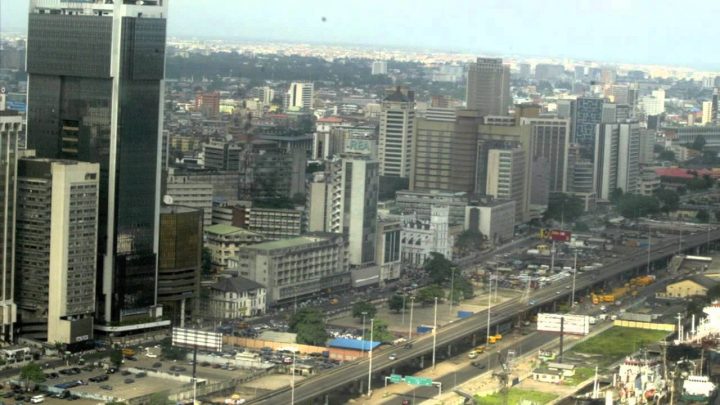
As Africa’s largest city and commercial capital, Lagos continues to grow at an extraordinary pace. The city adds hundreds of thousands of residents annually and remains a major center for finance, entertainment, manufacturing, and technology.
Recent developments such as the Lekki Deep Sea Port, urban rail systems, and large-scale commercial projects have strengthened Lagos’ position as one of Africa’s most influential economic hubs. Despite challenges related to traffic and infrastructure demands, the city’s economic potential remains immense.
Key Growth Drivers
- Fintech and technology
- Port and logistics infrastructure
- Manufacturing
- Entertainment and creative industries
4. Abidjan, Côte d’Ivoire
Abidjan has emerged as one of West Africa’s most dynamic business destinations. Strong economic growth, infrastructure improvements, and a growing financial sector have transformed the city into a regional commercial powerhouse.
Its strategic location and improving business environment continue to attract both local and international investors.
Key Growth Drivers
- Trade and commerce
- Financial services
- Real estate development
- Transportation infrastructure
5. Addis Ababa, Ethiopia
Addis Ababa remains a key driver of East African growth. As the diplomatic capital of Africa and home to the African Union, the city benefits from international visibility and investment.
Industrial parks, manufacturing growth, and transportation improvements have strengthened Addis Ababa’s economic importance. Ethiopia’s strong economic growth projections further support the city’s rapid expansion.
Key Growth Drivers
- Manufacturing
- Industrial parks
- Aviation and logistics
- Regional diplomacy
6. Accra, Ghana
Accra continues to attract entrepreneurs, investors, and multinational corporations. Political stability, a growing consumer market, and improvements in infrastructure have helped position the city as one of West Africa’s most attractive destinations for business.
The city’s expanding technology sector and startup ecosystem are creating new opportunities for young professionals and investors alike.
Key Growth Drivers
- Technology startups
- Financial services
- Tourism
- Real estate development
7. Dar es Salaam, Tanzania
Dar es Salaam is rapidly becoming one of East Africa’s most important commercial and logistics centers. The city’s strategic port and growing industrial base are attracting significant investment.
Population growth, improved transportation networks, and expanding trade activities continue to fuel economic expansion throughout the metropolitan area.
Key Growth Drivers
- Port operations
- Manufacturing
- Trade and logistics
- Infrastructure development
8. Casablanca, Morocco
Casablanca remains North Africa’s leading financial center and one of the continent’s most internationally connected cities. The city continues to benefit from strong manufacturing, financial services, and logistics sectors.
Its role as a gateway between Africa and Europe makes it a strategic destination for multinational companies seeking continental expansion.
Key Growth Drivers
- Finance
- Manufacturing
- International trade
- Corporate headquarters
Emerging Cities to Watch
Beyond the established growth leaders, several cities are rapidly gaining momentum:
- Kinshasa
- Luanda
- Dakar
- Abuja
- Rabat
These cities are benefiting from population growth, infrastructure investment, and expanding economic opportunities that could make them major investment destinations in the coming years.
Challenges Accompanying Rapid Growth
Rapid urbanization also presents significant challenges:
- Housing shortages
- Traffic congestion
- Pressure on public services
- Environmental concerns
- Infrastructure deficits
- Rising living costs
Cities that successfully address these issues will be better positioned to convert population growth into long-term economic prosperity.
Conclusion
Africa’s fastest-growing cities are reshaping the continent’s economic landscape. From the technology corridors of Nairobi and Lagos to the well-planned urban development of Kigali and the financial strength of Casablanca, these cities are becoming centers of innovation, investment, and opportunity.
As Africa’s urban population continues to expand, the cities that invest in infrastructure, technology, sustainability, and human capital will likely emerge as the continent’s next global success stories. For investors, entrepreneurs, and policymakers, keeping an eye on these rapidly growing urban centers will be essential in understanding Africa’s future growth trajectory.


Leave a reply




Africa’s Source for Breaking News | Entertainments | Health | Finance | Sports | Lifestyle and Business News.


