
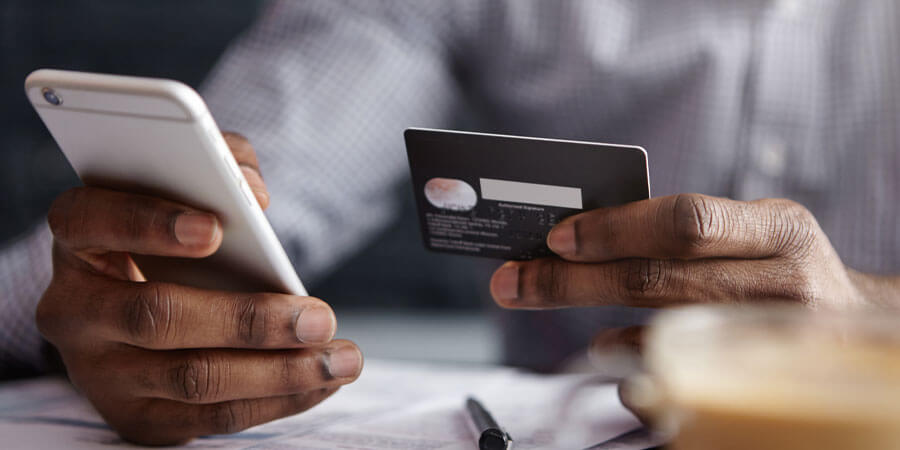
Mobile Payments Driving African SMEs
How Small African Businesses Are Leveraging Mobile Payments
Across Africa, mobile payment technology is transforming the way small businesses operate. From roadside food vendors in Lagos to market traders in Nairobi and boutique owners in Accra, entrepreneurs are increasingly using mobile payment solutions to receive money, manage transactions, and grow their businesses.
As smartphone adoption and internet access continue to expand, mobile payments have become more than just a convenience. They are now a powerful tool for financial inclusion, business efficiency, and economic growth. Consequently, small businesses that embrace these technologies are finding new opportunities to reach customers and compete in a rapidly evolving marketplace.
The Rise of Mobile Payments in Africa
Africa has emerged as one of the world’s leading regions for mobile money adoption. Traditional banking services remain inaccessible to many people, especially in rural areas. However, mobile phones are widely available, allowing millions of individuals to access financial services without needing a conventional bank account.
Services such as mobile wallets, QR-code payments, and digital banking apps have gained significant popularity. As a result, customers can send and receive money instantly, pay bills, and purchase goods using their phones.
This digital revolution has created a favorable environment for small businesses to thrive.
Why Small Businesses Are Embracing Mobile Payments
1. Increased Convenience for Customers
Modern consumers value speed and convenience. Mobile payment systems allow customers to make purchases quickly without carrying cash.
For example, a customer can scan a QR code or transfer funds directly from their mobile wallet within seconds. Consequently, businesses can serve more customers and reduce waiting times.
2. Improved Security
Cash-based businesses often face risks such as theft, loss, and counterfeit currency. Mobile payments significantly reduce these risks by minimizing the amount of physical cash handled daily.
Additionally, digital transaction records provide an extra layer of accountability and transparency.
3. Access to Financial Records
Many small business owners previously struggled to track income and expenses accurately. Mobile payment platforms automatically record transactions, making bookkeeping easier.
As a result, entrepreneurs can better understand their cash flow, monitor sales trends, and make informed business decisions.
4. Expansion of Customer Reach
Mobile payments enable businesses to sell products beyond their immediate geographical locations. Customers can place orders remotely and pay electronically.
Furthermore, social media sellers and online retailers can easily accept payments from customers across cities and even across borders.
Popular Mobile Payment Solutions Used by African Businesses
Several mobile payment platforms have become essential tools for entrepreneurs throughout Africa.
Mobile Money Services
Mobile money remains one of the most widely used payment methods on the continent. These services allow users to store money digitally, transfer funds, and pay merchants directly from their mobile phones.
Digital Banking Apps
Many fintech companies now offer mobile banking applications designed specifically for small businesses. These apps provide payment processing, savings tools, invoicing, and financial analytics.
QR Code Payments
QR code technology has simplified transactions for both merchants and consumers. Customers simply scan a code using their smartphones to complete payments instantly.
Point-of-Sale (POS) Devices
Portable POS terminals are becoming increasingly common among small retailers. These devices allow businesses to accept debit cards, credit cards, and mobile wallet payments efficiently.
How Mobile Payments Are Driving Business Growth
Better Cash Flow Management
Because payments are received instantly, businesses gain quicker access to working capital. This allows entrepreneurs to restock inventory faster and manage operational expenses more effectively.
Enhanced Customer Trust
Customers often feel more confident purchasing from businesses that offer secure and modern payment options. Consequently, mobile payments can strengthen brand credibility and customer loyalty.
Easier Access to Loans and Credit
Digital transaction histories provide valuable financial data. Many fintech companies use these records to assess creditworthiness.
As a result, small businesses with consistent mobile payment activity may qualify for loans that were previously difficult to obtain.
Support for E-Commerce
The growth of online shopping across Africa has increased demand for reliable digital payment solutions. Mobile payments allow small businesses to participate in e-commerce without requiring expensive infrastructure.
Challenges Facing Mobile Payment Adoption
Despite the benefits, several challenges remain.
Network Connectivity Issues
In some regions, internet and mobile network coverage can be unreliable. Consequently, payment processing may experience occasional delays.
Digital Literacy Gaps
Some business owners and customers are still unfamiliar with digital payment technologies. Therefore, education and training remain essential for wider adoption.
Transaction Fees
Although mobile payments offer convenience, service fees can impact profit margins, particularly for very small businesses.
Cybersecurity Concerns
As digital transactions increase, businesses must remain vigilant against fraud, phishing attacks, and other cyber threats.
The Future of Mobile Payments for African Entrepreneurs
The future looks promising. Innovations such as contactless payments, artificial intelligence-powered financial services, and cross-border mobile transactions are expected to further transform Africa’s business landscape.
Governments, telecom companies, banks, and fintech startups continue to invest heavily in digital financial infrastructure. Consequently, mobile payment systems will become even more accessible and efficient.
For small businesses, this means greater opportunities to reach customers, streamline operations, and scale sustainably.
Conclusion
Mobile payments are reshaping the African business environment. By providing convenience, security, financial visibility, and broader market access, these technologies are empowering small businesses to grow and compete effectively.
While challenges such as connectivity and digital literacy still exist, the overall trajectory remains positive. As mobile payment adoption continues to expand across the continent, small African businesses are well-positioned to benefit from the ongoing digital transformation and contribute to Africa’s economic development.




Leave a reply






Africa’s Source for Breaking News | Entertainments | Health | Finance | Sports | Lifestyle and Business News.


