
Healthy Swaps for a Nigerian Christmas Feast
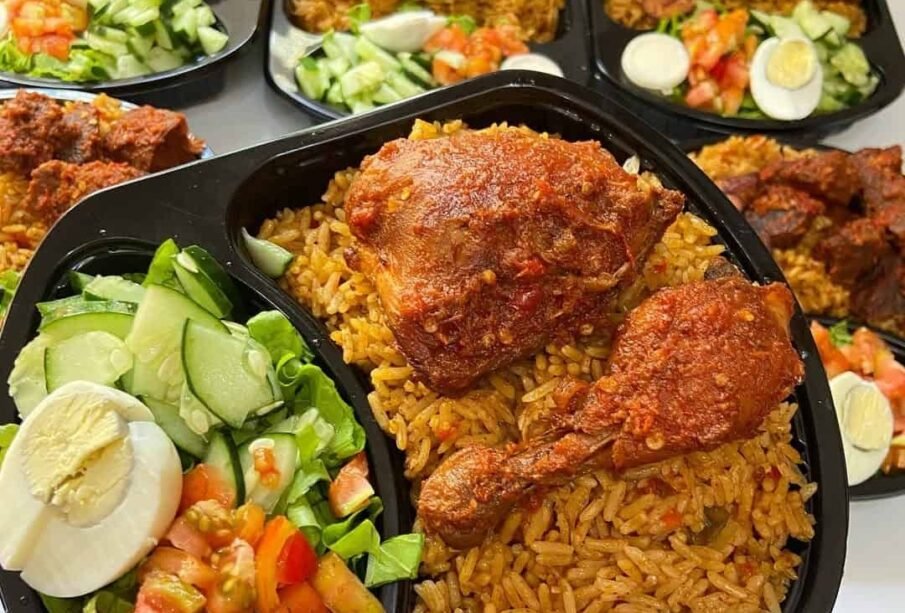
Christmas Feast
Christmas in Nigeria is a time for jollof rice, fried rice, chicken, pepper soup, small chops, cakes, drinks and generous servings of food shared with family and friends.
However, enjoying the festivities does not mean every meal must be excessively oily, sugary or heavy. With a few thoughtful substitutions, you can prepare a Christmas feast that is delicious, satisfying and more balanced.
The goal is not to remove your favourite Nigerian dishes or turn Christmas into a strict diet. Instead, make simple changes to the ingredients, cooking methods, portions and menu combinations. You can still serve the food people expect while giving everyone more variety and healthier choices.
Quick guide: Healthier Christmas food swaps
| Traditional Christmas favourite | Healthier swap | Why it works |
|---|---|---|
| Deep-fried chicken | Oven-baked, air-fried or grilled chicken | Reduces the amount of added oil |
| Excessively oily jollof rice | Jollof with measured oil and more vegetables | Maintains flavour without unnecessary oil |
| Fried rice with little vegetables | Fried rice with extra carrots, green beans and sweetcorn | Adds colour, fibre and variety |
| Large portions of rice | Smaller rice serving with vegetables and protein | Creates a more balanced plate |
| Deep-fried puff-puff | Smaller portions or oven-baked alternatives | Reduces reliance on deep-frying |
| Sugary soft drinks | Water, infused water or unsweetened drinks | Reduces added sugar |
| Excessively sweet cake | Smaller slices or less-sweet homemade cake | Makes dessert portions more manageable |
| Meat-heavy soup | Soup with leafy vegetables, fish and moderate meat | Adds vegetables while retaining protein |
| Heavy mayonnaise-based salad | Salad with a lighter dressing | Reduces the amount of added fat |
| Large quantities of small chops | Mixed appetisers with grilled options | Provides variety without excessive fried food |
1. Choose grilled chicken instead of deep-fried chicken
Christmas chicken is practically a centrepiece in many Nigerian homes. Unfortunately, deep-frying adds oil to a food that can already be satisfying without it.
Rather than removing chicken from your menu, change how you prepare it.
Marinate chicken with garlic, ginger, onions, thyme, curry, paprika, black pepper, lemon juice and a modest amount of oil. Allow the seasoning to penetrate the meat before grilling, baking or using an air fryer.
Chicken thighs and drumsticks can be particularly flavourful. You do not have to rely on excessive oil or complicated marinades to make them enjoyable.
The healthier swap: Serve grilled, baked or air-fried chicken alongside your jollof rice.
You can still prepare a small batch of fried chicken for guests who prefer it, but offer another cooking method as the main option.
2. Make jollof rice flavourful without drowning it in oil
Nigerian jollof rice is a Christmas staple. The smoky flavour, rich tomato base and combination of spices make it difficult to imagine a festive table without it.
However, some recipes use considerable quantities of oil, particularly when frying the tomato mixture.
You can maintain the flavour by reducing the oil gradually rather than removing it completely.
Blend tomatoes, red bell peppers, onions and scotch bonnet peppers. Cook the mixture properly to remove excess moisture and develop its flavour. Add seasoning, stock and a measured amount of oil before introducing the rice.
A well-cooked tomato base, balanced seasoning and appropriate cooking time contribute more to flavour than simply adding more oil.
The healthier swap: Use measured oil, a flavourful tomato base and moderate portions.
If your household enjoys party-style jollof, you can still achieve a smoky finish using a controlled cooking method rather than burning the rice or adding unnecessary fat.
3. Give fried rice more vegetables
Fried rice is another Christmas favourite, but its nutritional value depends partly on the ingredients and quantities used.
Carrots, green beans, spring onions, sweetcorn, peas and bell peppers provide colour, texture and variety. Instead of treating vegetables as a small garnish, make them a substantial part of the rice.
You can also reduce the amount of seasoning cubes by using well-seasoned stock, garlic, onions, ginger and herbs.
The healthier swap: Increase vegetables and use a measured amount of oil when frying the rice.
This is particularly useful when preparing food for children. Colourful vegetables can make the dish more visually appealing while allowing you to introduce ingredients they may not regularly eat.
4. Replace excessive small chops with a balanced appetiser platter
Small chops are usually one of the first foods guests encounter at Christmas parties. Spring rolls, samosas, puff-puff, meat pies, chicken wings and other fried snacks can quickly become a full meal before the main dishes arrive.
Instead of eliminating them, create a smaller and more varied appetiser platter.
Include a combination of:
- Grilled chicken pieces.
- Small portions of samosas or spring rolls.
- Fresh fruit.
- Roasted plantain.
- Boiled eggs.
- Vegetable sticks with a suitable dip.
- Small portions of puff-puff.
You do not have to prepare every item. Choose three or four options and serve them in smaller portions.
The healthier swap: Offer fewer fried snacks and include grilled, roasted or fresh alternatives.
This approach can also reduce the amount of food you prepare, saving time and money.
5. Make your Christmas salad lighter
Nigerian Christmas salad often contains cabbage, lettuce, carrots, cucumber, tomatoes, sweetcorn, eggs and sometimes potatoes. The vegetables are nutritious, but the dressing can significantly increase the calorie content.
Many households use mayonnaise generously, sometimes combining it with salad cream.
You can reduce the amount without making the salad dry or unpleasant.
Mix a smaller quantity of mayonnaise with plain yoghurt, lemon juice, mustard or a little seasoning, depending on your preferred taste. Keep the dressing separate until serving time so that the vegetables remain fresh.
The healthier swap: Use more vegetables and a lighter dressing.
If guests prefer traditional mayonnaise-based salad, serve the dressing separately so that everyone can choose how much they want.
6. Add vegetables to soups and stews
Christmas soups may include egusi, ogbono, efo riro, afang, edikang ikong and other regional favourites.
These dishes can be part of a balanced meal, particularly when prepared with leafy vegetables, fish and reasonable portions of meat.
Rather than allowing meat and oil to dominate the pot, consider increasing the vegetables. Use fish, chicken or leaner meat alongside your traditional ingredients.
You can also reduce the quantity of palm oil gradually. Palm oil contributes flavour and is a traditional ingredient, but excessive amounts can increase the overall fat content of a meal.
The healthier swap: Increase leafy vegetables, balance your protein and use oil thoughtfully.
Your guests will still recognise the dish. The difference is simply in the balance of ingredients.
7. Choose boiled, roasted or grilled plantain more often
Plantain appears in several Nigerian Christmas meals, including fried plantain served with rice, beans, chicken or stew.
Fried plantain is delicious, but the amount of oil it absorbs depends on the cooking method and preparation.
For a lighter alternative, roast ripe plantain in the oven or air fryer. You can also prepare boiled plantain as a side dish.
Roasting helps preserve the natural sweetness while reducing the need for additional oil.
The healthier swap: Serve roasted plantain alongside rice, chicken or vegetables.
This is an easy option when you want to prepare a festive meal but are trying to reduce the number of fried items on the table.
8. Rethink drinks without spoiling the celebration
Soft drinks, sweetened juices, cocktails and other sugary beverages can contribute considerable sugar to a Christmas meal.
However, you do not need to make water the only available drink.
Prepare alternatives such as:
- Chilled water with lemon, cucumber or mint.
- Unsweetened hibiscus tea.
- Homemade zobo with reduced sugar.
- Fruit-infused water.
- Unsweetened sparkling water.
- Fresh fruit served alongside water.
If you prepare zobo, use ginger, cloves, pineapple and other natural ingredients to build flavour before adding sugar. Sweeten gradually and allow guests to add more if they prefer.
The healthier swap: Make water and less-sweetened drinks readily available while keeping sweet beverages as optional treats.
9. Serve dessert in smaller portions
Christmas cake, chin chin, biscuits, doughnuts and other desserts are part of the festive experience.
The problem is not necessarily eating dessert. It is often the quantity, particularly when people continue eating sweets throughout the day.
Instead of cutting out dessert, make portion sizes manageable.
Serve smaller cake slices, use mini dessert cups or prepare a fruit platter alongside your traditional sweets.
You can also reduce sugar slightly when making homemade cakes. However, avoid removing too much sugar from baking recipes without adjusting the other ingredients because sugar contributes to texture, moisture and browning.
The healthier swap: Smaller dessert portions with fruit as another option.
This allows children and adults to enjoy the festive menu without feeling pressured to finish oversized servings.
10. Balance your Christmas plate
A healthier Christmas meal does not require separate food for everyone.
A practical approach is to combine vegetables, protein and carbohydrates in portions that leave you comfortable rather than excessively full.
For example, your plate might contain:
- A moderate serving of jollof rice.
- Grilled chicken or fish.
- A generous serving of vegetables or salad.
- A small portion of plantain.
- Water or a less-sweetened drink.
You can adjust the proportions according to your appetite, health needs, cultural preferences and available food.
The most important thing is to avoid treating Christmas as a competition to eat as much as possible.
How to prepare a healthier Christmas menu on a Nigerian budget
Healthier food does not always mean expensive ingredients.
In fact, many affordable Nigerian foods can make your Christmas menu more balanced.
Plan your menu before shopping
Write down the meals you intend to prepare, including the ingredients required for each dish. This helps prevent unnecessary purchases and reduces food waste.
Buy seasonal ingredients
Vegetables, fruits and other ingredients may become more affordable when they are in season. Compare prices across markets before buying in bulk.
Share bulk purchases
If you are cooking for a large family, church group, office or community gathering, bulk purchasing can help you save money.
Easer Lifestyle Africa’s Bulk Food Sharing service is relevant for households and groups interested in sharing the cost of food purchases.
Prepare food in stages
Wash and cut vegetables in advance. Marinate proteins the day before. Prepare tomato sauce ahead of time and store it safely.
These steps reduce the pressure on Christmas morning and make it easier to cook with care.
Avoid cooking more than you need
A large Christmas meal is not automatically a better Christmas meal.
Estimate the number of guests, consider how much each person is likely to eat and prepare reasonable quantities. You can always provide additional servings if necessary.
Enjoy the feast without turning Christmas into a diet
A healthier Nigerian Christmas feast is about balance, not punishment.
Keep the jollof rice, prepare your favourite soup, serve chicken, enjoy small chops and share dessert. Make thoughtful changes where they are practical: less oil, more vegetables, smaller servings of sugary drinks and alternative cooking methods.
Food is part of culture, family connection and celebration. The best Christmas menu is one that brings people together, satisfies your guests and leaves you feeling comfortable afterwards.
With a little planning, your Christmas table can be both festive and nourishing.
Frequently Asked Questions
1. What is the healthiest Nigerian food to eat at Christmas?
There is no single healthiest Christmas food. Meals containing vegetables, fish, chicken, beans, fruits and balanced portions of carbohydrates can form part of a nutritious diet.
2. Can I eat jollof rice and still eat healthily?
Yes. You can enjoy jollof rice as part of a balanced meal. Consider using measured oil, adding vegetables and serving it alongside protein and salad.
3. Is grilled chicken healthier than fried chicken?
Grilled or baked chicken generally requires less added oil than deep-fried chicken. The overall nutritional difference also depends on the cut, skin, portion size and preparation.
4. How can I reduce the sugar in Christmas drinks?
Use natural ingredients such as ginger, cloves, citrus and pineapple for flavour. Add sugar gradually, reduce the quantity used and provide unsweetened alternatives.
5. How can I prepare a healthy Christmas meal on a tight budget?
Plan your menu, buy seasonal ingredients, compare market prices, use affordable protein sources, share bulk purchases and avoid preparing unnecessary quantities.




Leave a reply




Africa’s Source for Breaking News | Entertainments | Health | Finance | Sports | Lifestyle and Business News.


